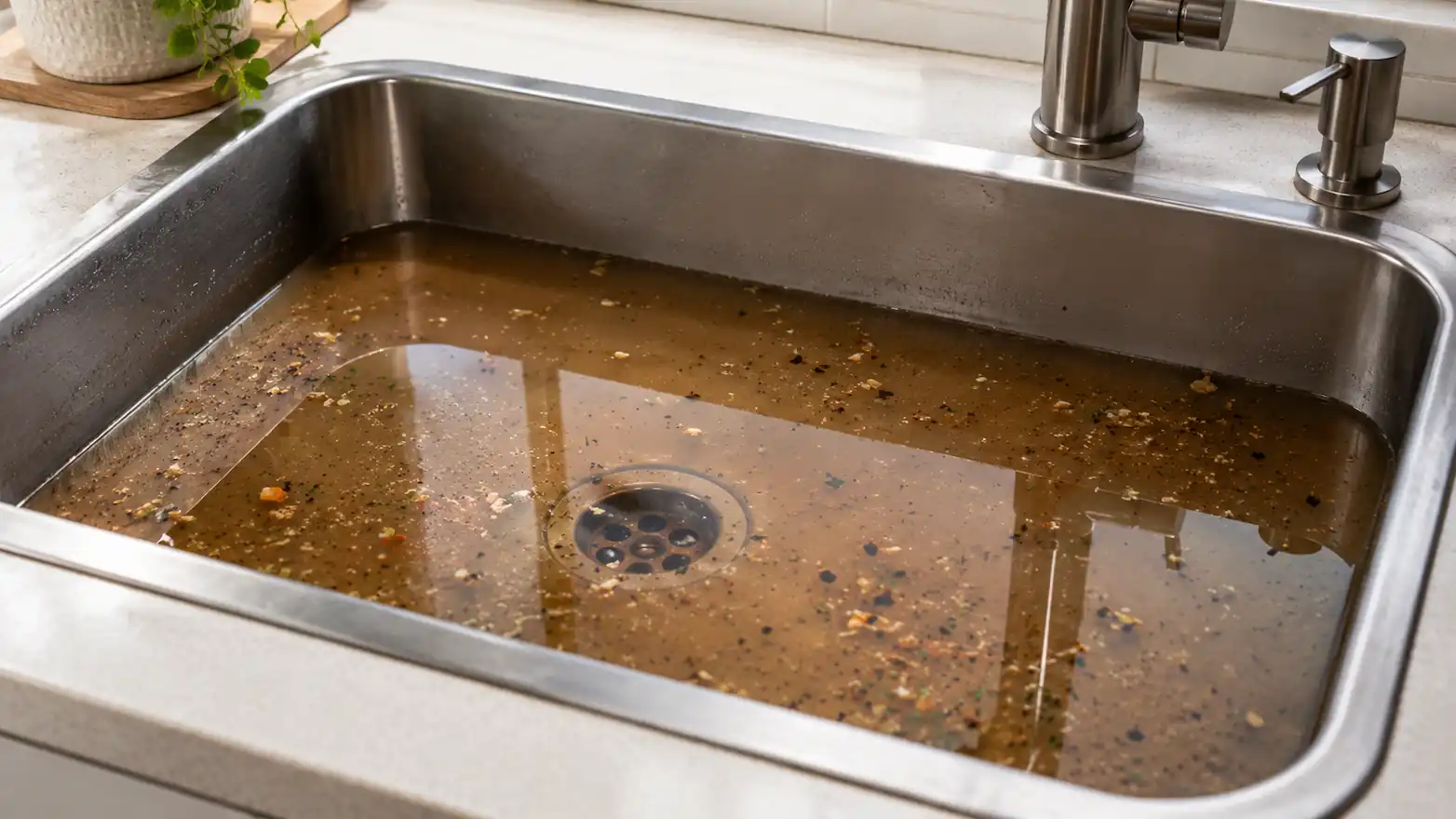
A sink clogged with water sitting in it, or that is draining slowly, is not just a small problem on the surface. It is a sign that something is happening inside the pipe that connects to that sink. How the problem acts gives a clearer picture than just looking at the symptom itself. Whether it got worse slowly over weeks or suddenly backed up after a meal, whether it is only in one sink or happening in other drains around the house, all of these details help show what is causing the problem inside the pipe.
Most cases of clogged sinks in homes in Austin usually come from a few common causes: grease and bits of food collecting in the pipes under the kitchen sink, hair and soap getting stuck in bathroom sinks, mineral buildup from the hard water in Central Texas making the inside of the pipes smaller or something blocking the system deeper down that shows up at the sink before the water stops completely. Each cause is in a different place, happens at a different speed, and needs a different way to clean it.
Applying the same fix to every clogged sink produces inconsistent results and rarely breaks the cycle for lines with a buildup history. At EZ Hydro Jetting Austin, we look at what is driving the restriction before recommending a cleaning approach, because the right answer comes from what is inside the pipe, not from how the symptom presents at the drain opening.
Sink Clogged in the Kitchen: What Builds Up and Why
Kitchen sink clogs form from a mix of materials that seem harmless on their own but accumulate into a significant restriction over time. Cooking grease is the main contributor. It exits the kitchen hot and liquid, travels partway down the drain line, cools against the pipe wall, and solidifies in layers. Over weeks, those layers narrow the interior of the pipe until flow slows and eventually stops under the volume of a full sink.
Food particles, dish soap, and coffee grounds pile onto that base layer. None of them would block a line quickly on their own, but pressed against a greasy pipe wall, they build a denser structure that resists standard cleaning methods. A kitchen sink clogged from grease buildup rarely appears without warning. The slowdown develops over months and often gets ignored until a backup forces attention.
Disposal units add their own layer of complexity. Ground food waste that does not fully suspend in water settles in slower sections of the drain line and compounds whatever is already coating the wall. A sink clogged downstream of a disposal tends to carry a denser, more varied buildup than one connected to a standard drain without one.
When a Sink Clogged Points to the Main Sewer Line
A single slow drain is one kind of problem. A sink clogged in the kitchen at the same time the bathroom sink slugs and a floor drain elsewhere in the house starts gurgling is a different situation entirely. When multiple fixtures in separate areas of the property register similar symptoms simultaneously, the source is seldom in a branch drain. It is in the main sewer line carrying combined flow from all of those fixtures.
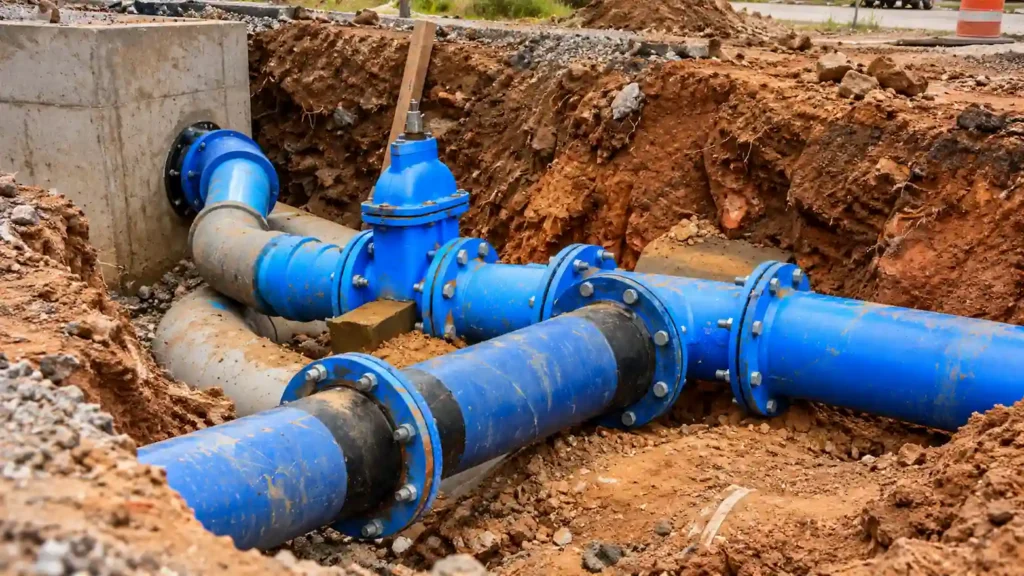
Main line restrictions develop from the same materials that block individual drains, but at a larger scale and over a longer accumulation period. Grease, sediment, mineral scale, and root intrusion all contribute depending on the age of the property, the surrounding landscaping, and the history of drain maintenance. A sink clogged that does not respond to branch-level cleaning is often a main line symptom requiring a different scope entirely.
Root intrusion in particular mimics general slow drainage until a camera confirms what is inside the line. Mature live oaks, cedar elms, and other established species near Austin sewer lines enter pipe joints through cracks or deteriorating connections. Early-stage root growth creates partial restriction at the main line level that shows up as slow drains across multiple fixtures well before a full backup occurs.
Professional Sink Clogged Assessment: What Gets Checked First
A professional sink clogged assessment starts with the symptom history before any tool enters the pipe. How long has the drain been slowing? Has the problem returned after a previous cleaning? Are other fixtures in the house showing similar behavior? What does the sink handle daily? These questions narrow the most likely cause before camera inspection begins and frame what the technician is looking for inside the line.
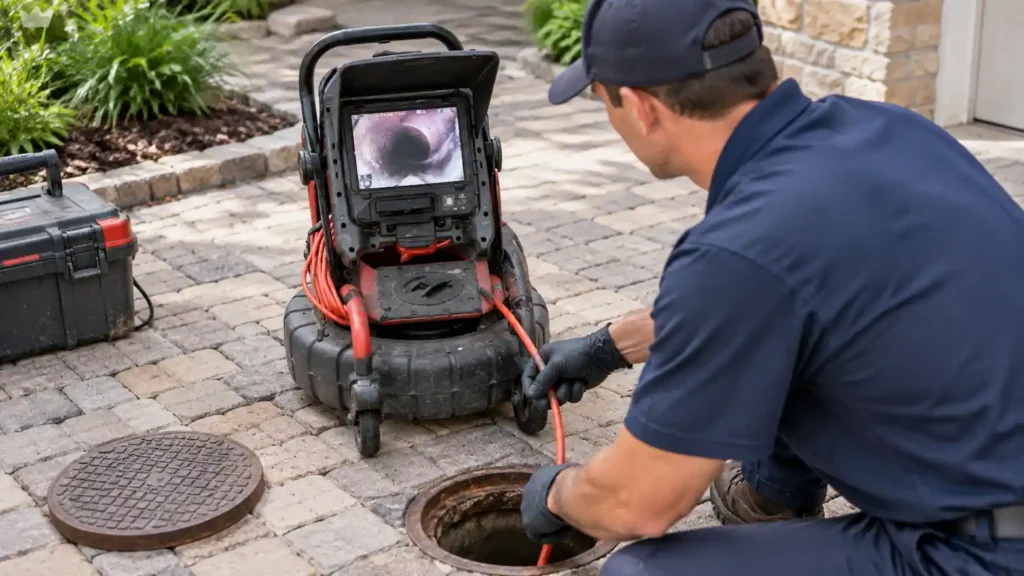
Camera inspection removes the guesswork from that process. An HD camera run through the drain line shows pipe material, wall condition, the location and character of the restriction, and any structural issue that should change how the cleaning is performed. For an Austin homeowner dealing with a sink clog that has returned multiple times after service calls, that visual confirmation is the step that reveals why the previous cleanings did not hold.
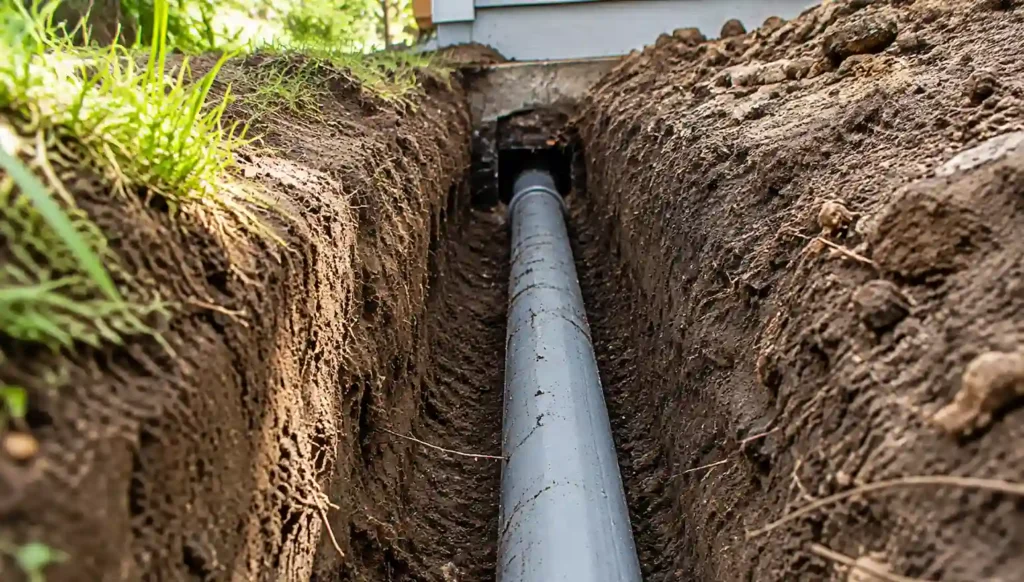
For older Austin properties in neighborhoods like Hyde Park, Clarksville, Bouldin Creek, and Travis Heights, camera inspection before any cleaning carries particular weight. Original cast iron or clay tile lines in those homes vary significantly in condition, and knowing what is there before applying pressure protects the pipe from a cleaning method it cannot support in its current state.
Sink Clogged Solutions: Comparing the Main Cleaning Options
| Factor | Chemical Drain Cleaner | Snaking | Hydro Jetting |
| Removes pipe wall buildup | No | No | Yes |
| Clears soft blockages | Sometimes | Yes | Yes |
| Safe for all pipe types | No | Generally | Depends on condition |
| Addresses grease accumulation | Partially | No | Yes |
| Prevents recurring clogs | No | Limited | Strong |
| Camera inspection recommended | No | Sometimes | Yes |
| Appropriate for main line | No | Basic | Full-diameter clean |
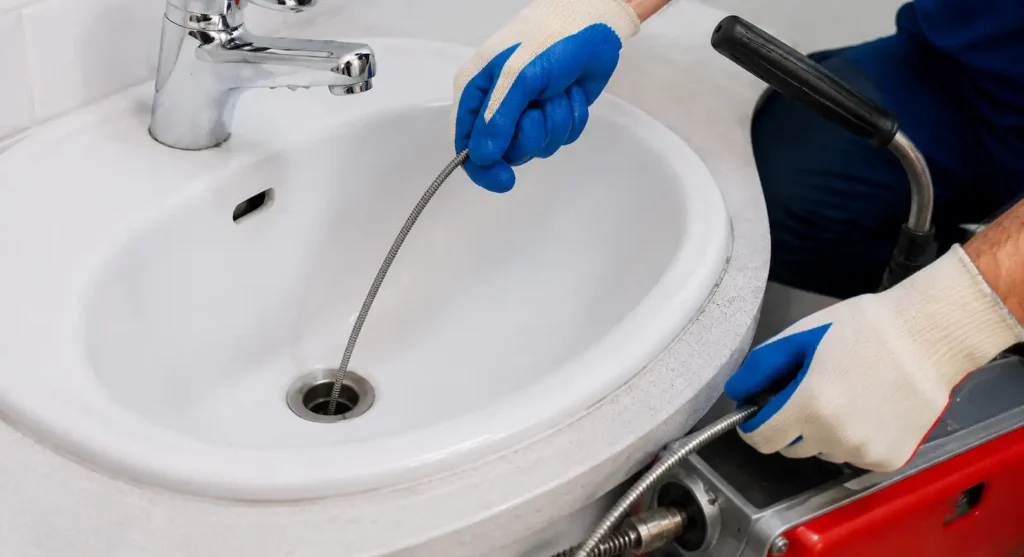
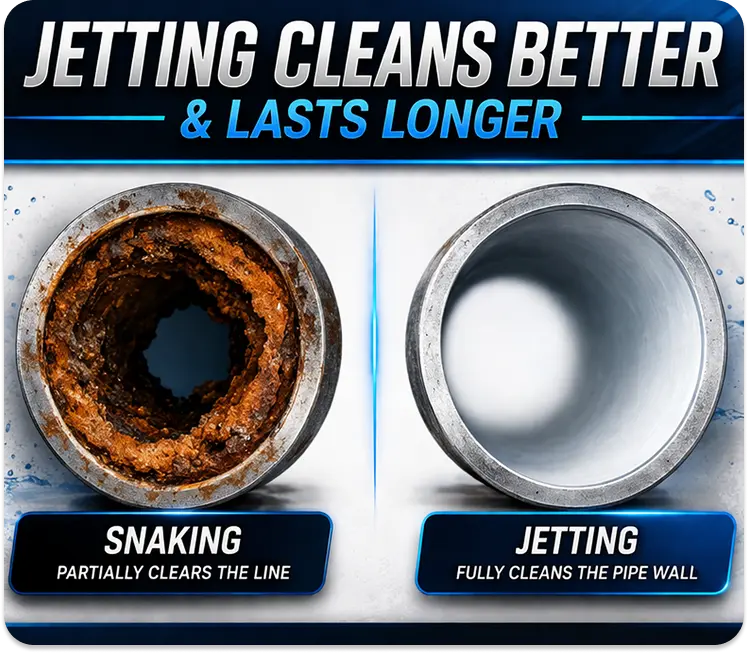
Chemical drain cleaners dissolve soft organic material near the drain opening but do not reach hardened buildup deeper in the line and can damage older pipe materials with repeated use. Snaking clears a passage through the soft center of a blockage without removing the layer bonded to the pipe wall. Hydro jetting strips that layer from the surface and flushes the material out of the system, producing results that hold significantly longer on lines with any buildup history.
The right option for a sink clogged situation depends on what is inside the pipe, the material and condition of the line, and the pattern of previous cleaning attempts. A fresh, localized blockage with no recurrence history may respond well to snaking. A sink clogged repeatedly in the same location after previous service calls is a line where the wall layer was never addressed.
Austin Residential Hydro Jetting Guidance for Recurring Sink Clogs
Austin residential hydro jetting guidance for clogged sink situations centers on one practical question: is the problem in the buildup coating the pipe wall or in a soft, localized blockage that snaking can reach and fully remove? When the clog has returned after a previous cleaning, when multiple fixtures are affected, or when the line has not been professionally cleaned in several years, the wall layer is almost certainly a factor in what is driving the restriction.
High-pressure jetting with a nozzle configured for the type of buildup present strips grease, mineral scale, and compacted debris from the interior wall and flushes the material out of the system. For a kitchen sink clogged from months of grease accumulation, that level of cleaning resets the interior diameter of the pipe rather than opening another temporary channel through it.
Hydro jetting is not the right fit for every sink clogged situation. Pipes with significant structural deterioration, cast iron with substantial wall loss, or lines showing displacement on camera require a modified approach or a structural repair before high-pressure cleaning is appropriate. A camera inspection before jetting determines which situation the pipe is in and protects the line from pressure it cannot support in its current condition.
What to Do When the Same Sink Keeps Getting Clogged
A sink that clogs again within weeks or months of a cleaning is not a coincidence. The pattern is diagnostic information about a cause that was not fully addressed. Residual buildup left on the pipe wall after snaking picks up new accumulation from the point the previous service left off, and the interval between restrictions shortens each time because the starting layer is thicker than it was before the last call.
Repeated snaking on the same line without addressing the wall layer compounds the cost over time. Each pass removes the soft clog without touching the bonded accumulation beneath it. The pipe continues deteriorating between calls, and by the time a camera inspection finally happens, the condition inside the line reflects years of cleaning decisions that addressed the symptom without reaching the underlying cause.
A camera inspection after a recurring clogged sink situation provides the information needed to break that cycle. Whether the answer is hydro jetting, a targeted structural repair, or both together, that determination should come from what is documented inside the pipe rather than from another service call built on the same assumption as the one before it. Our residential hydro jetting service addresses the buildup behind recurring sink clogs with high-pressure cleaning matched to the actual condition of the line.
Making the Right Call When Your Sink Is Clogged
Every sink clogged situation has a cause, and identifying it before committing to a cleaning method is what separates a lasting result from a temporary fix. The fixture type, the nature of daily drain use, the age and material of the pipe, how long the problem has been developing, and whether other fixtures are showing similar behavior together point to what is actually driving the restriction inside the line.
A sink clogged appearing for the first time in a recently serviced line with no pattern of recurrence is a different situation than one that has returned three times in the same year. The first may need snaking and a clean. The second needs a camera look at the pipe wall and a cleaning method that reaches what is actually there rather than what the symptom suggests from the outside.
Contact EZ Hydro Jetting Austin to request a free quote and get a professional assessment of the line condition behind your sink concern, before committing to any service.