A sewer line backup repair situation begins before the backup becomes visible. The slow drain that appeared three months ago, the gurgling floor drain that started after the dishwasher cycles, the low toilet that requires two flushes where one used to suffice are all describing the same progressive restriction developing inside the main sewer line. The backup that eventually surfaces at a ground-floor fixture is not the beginning of the problem. It is the point where the restriction reached the threshold that daily household volume could no longer push through.
That distinction matters because it changes what the right response is. Clearing the backup without identifying what caused it produces a temporarily functional drain and an unchanged pipe interior. The same accumulation cycle resumes from where it left off, and the next backup arrives sooner than the first because the starting restriction is heavier than it was before the previous service call.
At EZ Hydro Jetting Austin, sewer line backup repair begins with an assessment of what is inside the line before any cleaning method is selected. The cause and location of the restriction, the condition of the pipe wall, and whether any structural issue is contributing to the accumulation pattern together determine what the right service is. Without that information, a clearing is a guess with a high-pressure nozzle.
What Causes Sewer Line Backup Repair Situations in Austin
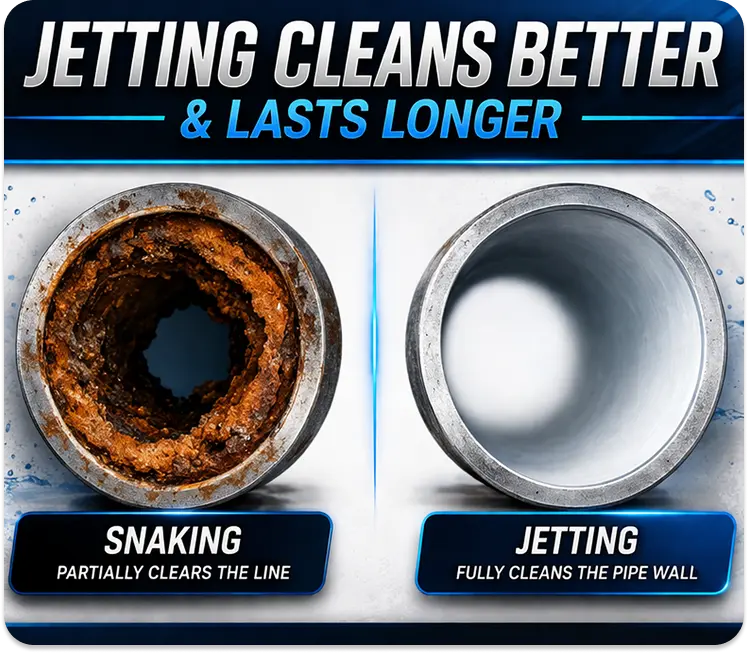
Grease accumulation in the main sewer line drives more backup situations in Austin residential properties than any other single cause. It builds gradually, deposits in thin layers on the pipe wall after each cooking and cleaning session, and produces no obvious symptom at the fixture level until the interior diameter has narrowed enough to stop flow under the volume of a typical household evening. By the time the backup surfaces, the layer inside the pipe often reflects months of continuous accumulation that no fixture symptom announced in advance.
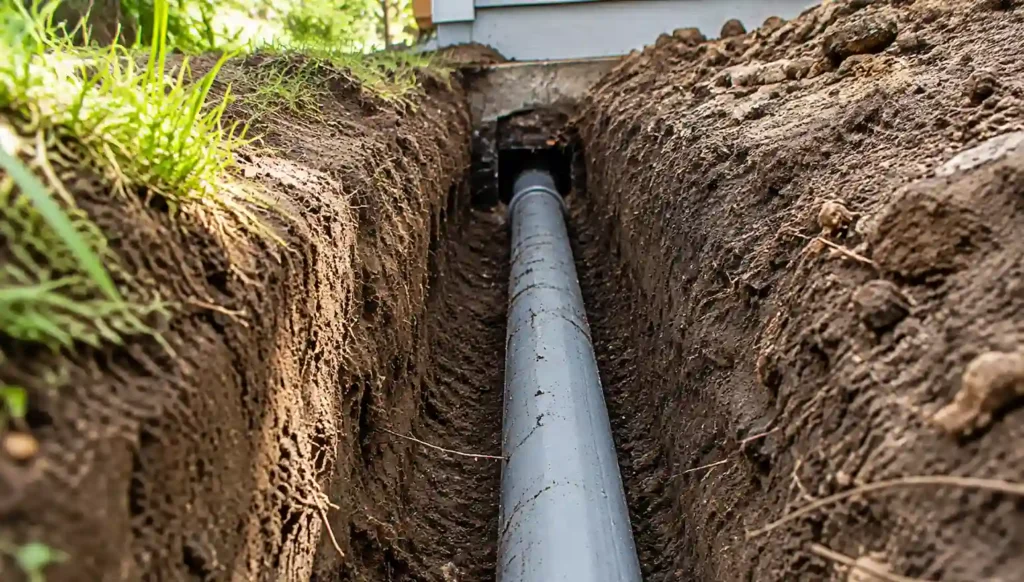
Structural conditions produce a third category of sewer line backup repair situation in Austin. Pipe bellies from soil settlement, displaced joints from the expansive clay soil cycles that characterize Central Texas wet and dry seasons, and partial pipe collapse from deteriorated infrastructure all create backup conditions that no cleaning service alone resolves.
Reading the Backup Pattern Before Calling for Service
The pattern of a sewer line backup carries diagnostic information that shapes the service call before a camera enters the pipe. A backup confined to one ground-floor fixture while upper-level fixtures drain normally describes a restriction in the lower section of the main line or at the property-to-municipal connection point rather than throughout the system.
Backups that clear partially within a few hours without intervention and then recur under the same household conditions within days or weeks describe a partial restriction rather than a complete blockage. The line handles light use between episodes but stops under peak load because the narrowed interior diameter cannot sustain the volume. Repair that clears only the peak-load episode without confirming what is creating the partial restriction is addressing the most recent event rather than the condition that made it possible.
Early warning signs appear before the backup itself in most Austin sewer line situations. A floor drain that gurgles after a washing machine drains, a low toilet that takes longer to refill than it did a year ago, or a slow main-floor drain that runs normally when other fixtures are not in use are all describing a restricted main line at reduced capacity.
Camera Inspection Before Sewer Line Backup Repair: Why the Sequence Matters
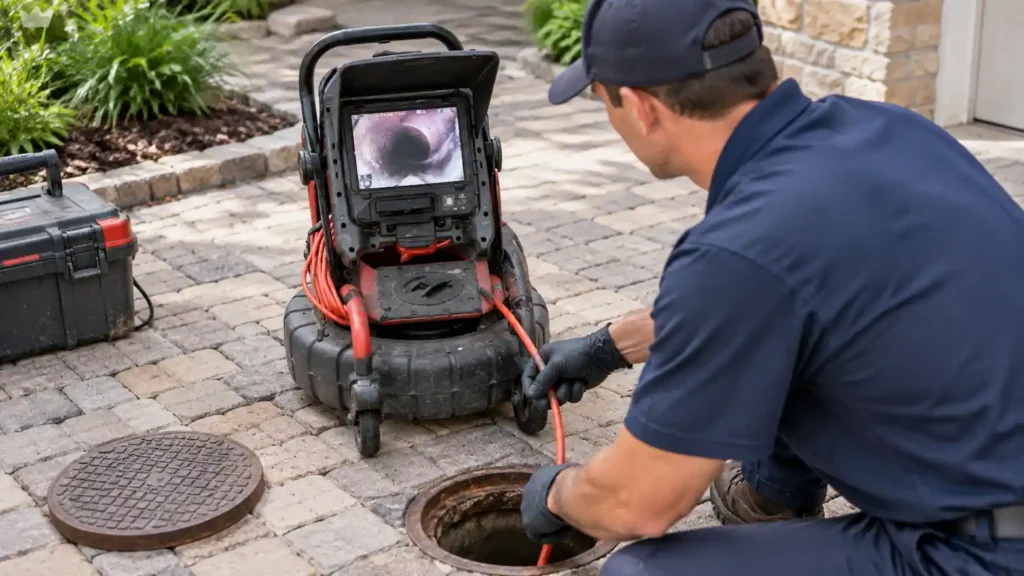
Camera inspection before repair is what changes the service from an assumption-based clearing to a diagnostic-driven one. The camera documents pipe material, wall condition, joint integrity across the full run of the line, the location and density of any restriction, and whether structural damage, or a combination of both is contributing to the backup condition. That documentation changes the service recommendation in a meaningful number of cases compared to a quote based on the symptom description given over the phone.
For Austin properties with sewer lines installed before the 1980s in established neighborhoods like Hyde Park, Clarksville, Travis Heights, and East Austin, camera inspection before sewer line backup repair is not an optional step. Cast iron and clay tile lines in those properties carry decades of scale alongside genuine structural wear, and the combination of a wall-layer restriction and a deteriorated pipe section calls for a different service sequence than a modern PVC line with a localized grease blockage and no structural concerns.
The post-service camera pass carries equal practical importance. It confirms what the cleaning removed, surfaces anything the high-pressure water alone did not fully resolve, and produces a documented condition record for the line. That record changes how future maintenance gets scheduled.
Sewer Line Backup Repair: What Hydro Jetting Addresses and What It Does Not
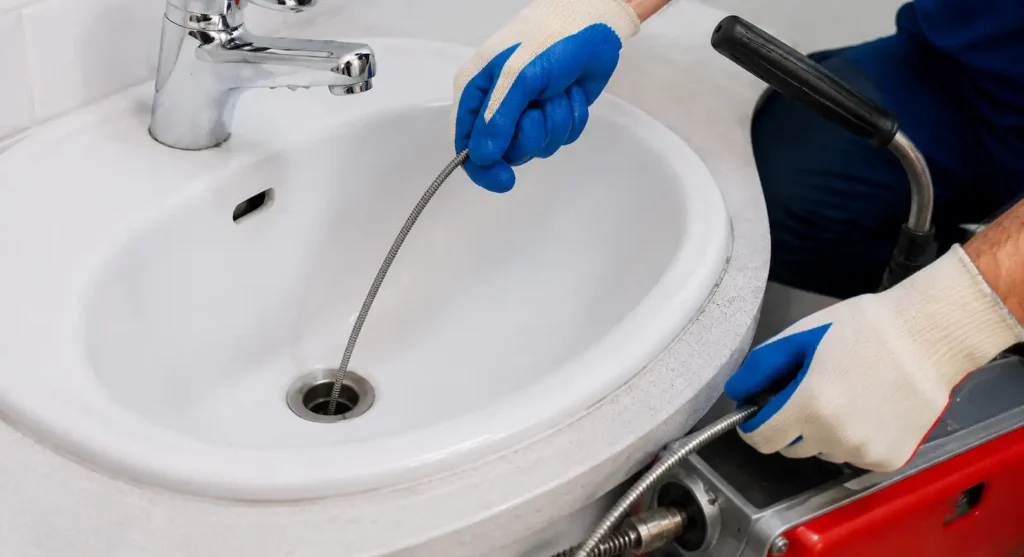
High-pressure jetting is the right repair method when camera inspection confirms that the backup was driven by accumulated buildup on the pipe wall. Grease accumulation, mineral scale, and root material all respond to high-pressure water cleaning with the appropriate nozzle configuration.
Hydro jetting is not a complete sewer line backup repair solution when structural damage is the primary or contributing cause. A collapsed pipe section does not become functional after jetting. A severely displaced joint that creates a standing water section in the line will re-accumulate debris at the same collection point regardless of how thoroughly the material is removed during the service.
Our emergency hydrojetting service includes camera inspection before any high-pressure work begins because the repair approach that fits the pipe is the one that comes from knowing what is actually there.
Austin Emergency Hydrojetting Guidance for Active Backup Situations
An active sewer line backup during occupied household hours calls for a different approach than a slow drain that has been developing over weeks. When sewage is surfacing at a fixture, the first priority before any service is confirming whether the source of pressure is inside the property’s sewer line or in the municipal sewer main serving the neighborhood.
If the backup clears within two to four hours without intervention and no residual slow drainage persists after the clearing, municipal pressure is the more likely source. If the backup persists, affects multiple fixtures simultaneously, or recurs within days under normal household load, the source is inside the property’s line and a camera inspection before sewer line backup repair is the appropriate next step. That sequencing prevents both delayed action and misdirected action in situations where the pressure is real and the decision window is short.
During an active backup, stopping use of the affected fixtures prevents additional sewage from entering a line that is already at or past capacity. Identifying which fixtures are affected and which are not helps the technician locate the restriction quickly. Having the main cleanout location accessible, if known, shortens the diagnostic phase of the emergency service call significantly and allows camera access to begin from the right entry point rather than from the first accessible fixture.
Sewer Line Backup Repair and the Preventive Maintenance Argument
Most sewer line backup repair situations in Austin are not failures that arrived without warning. They are the visible end of an accumulation process that ran without intervention long enough to produce a restriction the line could no longer push through under normal household use. The grease layer, the root mass, or the mineral scale that caused the backup did not form overnight. It formed over months or years while the line appeared to function normally at reduced capacity.
Scheduled main line cleaning before a backup surfaces is the maintenance approach that prevents repair from becoming an emergency service call. A main sewer line cleaned of grease accumulation, root intrusion, and mineral scale on a regular service interval holds more flow capacity than one that has been accumulating without professional attention for several years.
The post-repair camera inspection that establishes pipe condition after a repair service is also the baseline for scheduling the next preventive service. Knowing what the line looked like after cleaning, where the wall condition showed wear, and whether any root entry point requires monitoring is what changes the maintenance interval from a guess to a specific recommendation based on the actual condition of the pipe.
How to Evaluate a Sewer Line Backup Repair Provider in Austin
| What to Ask | Why the Answer Matters |
| Do you inspect before recommending sewer line backup repair? | Confirms diagnosis precedes service |
| Is camera inspection included or quoted separately? | Reveals whether diagnostic work is standard |
| What if the camera shows structural damage? | Tests honesty about service fit and scope |
| Do you provide post-repair camera confirmation? | Shows accountability for the result |
| How do you handle root intrusion with structural entry points? | Reveals diagnostic depth and completeness |
A legitimate sewer line repair provider does not recommend a cleaning method before understanding the pipe. Material, installation era, the pattern of the backup, the history of previous service calls, and the condition of any accessible cleanout are all relevant to what the right service scope is and what equipment the job requires. A provider that defaults to a cleaning recommendation without that information is selling a service category rather than solving a specific condition.
Making the Right Decision After a Sewer Line Backup
Every sewer line backup repair situation has a cause, and the service that matches that cause is the one that changes the situation rather than delays its next episode. Pipe material, system age, the pattern and frequency of previous backups, the presence of mature trees near the sewer corridor, and whether any structural condition is contributing to the accumulation pattern together determine what the right service is and what the realistic outcome looks like.
A backup that surfaced once in a recently cleaned line with no prior recurrence history describes a different situation than a main sewer line that has produced three backups in eighteen months and has never received a professional clean that reached the wall layer. The first may need a targeted clearing. The second needs a camera confirmation of what is bonded to the pipe wall, honest communication about what repair involves for that specific line, and a service that addresses the actual cause rather than the most recent symptom of a condition that has been running for longer than the last service call.
Contact EZ Hydro Jetting Austin about your sewer line backup repair situation and get an inspection-first recommendation for the line before committing to any service.