Hydro jetter plumbing is a way to clean drains and sewer lines. It uses water that is pushed through a nozzle that goes into the pipe. The water takes away things like grease and dirt from the inside of the pipe. It also removes things like mineral buildup and thick waste. All of these things are taken out of the system. This method does not make a hole in the clog. It takes away the things that made the clog in the first place.
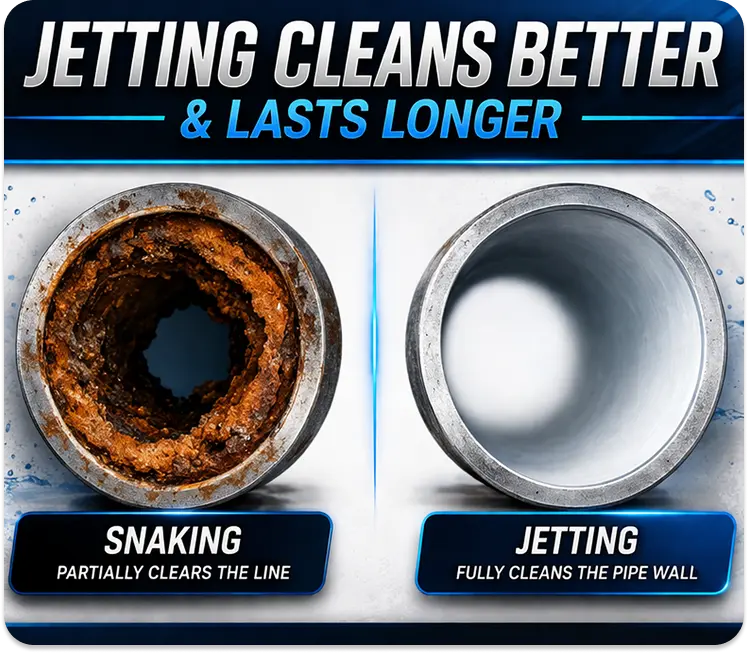
The distinction matters because most recurring drain problems are wall problems, not centerline problems. Snaking creates an opening through the soft mass of a blockage without touching the layer bonded to the pipe wall. That layer narrows over time, and the next backup follows. High-pressure jetting addresses the source directly, which is why results tend to last longer when the method fits the situation.
Not every pipe problem is a fit for this way of doing things. The amount of pressure we use, the kind of nozzle we choose, and how fast the water flows all depend on the size of the pipe. What it is made of, what shape it is, and what the technician sees when they look at it before they start cleaning it. At EZ Hydro Jetting Austin, we like to look inside the pipe before we decide what to do because what the camera shows us is what really matters, not what the problem seems to be.
Hydro Jetting vs. Snaking: How They Compare
| Factor | Drain Snaking | Hydro Jetter Plumbing |
| Clears soft blockages | Yes | Yes |
| Removes pipe wall buildup | No | Yes |
| Handles grease accumulation | Partially | Yes |
| Works on main sewer lines | Basic | Full-diameter clean |
| Camera inspection needed | Sometimes | Recommended |
| Suitable for damaged pipes | Generally yes | Depends on condition |
| Recurring clog prevention | Limited | Strong |
| Chemical use | None | None |
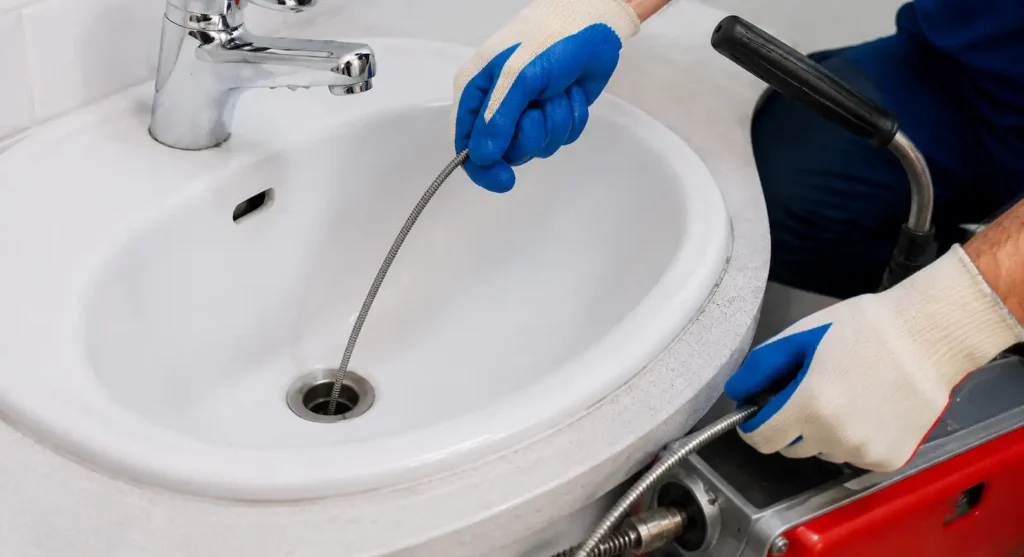
Snaking is a way to fix pipes that are blocked in one small area. It is also cheaper. Works faster. This method is good for pipes that do not have a lot of buildup inside them. On the other hand, hydro jetter plumbing is better when the pipe has a lot of problems like grease or mineral deposits that keep coming back. Hydro jetter plumbing is also better when the main sewer line needs to be cleaned out, not just opened up a little bit.
The best way to fix the pipe is to think about what’s inside the pipe, not about which method is easier to schedule. Snaking and hydro jetter plumbing are two methods, and the right one to use depends on the pipe and what is inside the pipe.
When Hydro Jetter Plumbing Is the Right Call
Recurring clogs are the clearest indicator. If a drain gets clogged and then gets clogged again a few weeks or months later, that means the stuff that was causing the problem was still there. When you use a snake to clear the drain, it helps to get the water flowing again. It does not get rid of all the yucky stuff that is stuck to the side of the pipe. This stuff keeps building up and making the pipe smaller until the water starts moving again.
The hydro jetter is a tool that can get rid of this extra layer of stuff and make the inside of the pipe big again. The hydro jetter is really good at stripping this layer and making the pipe work like it is supposed to. The drain will be. The hydro jetter will make sure the pipe is clear.
Slow drains across multiple fixtures at the same time tell a different story than a single localized clog. A kitchen sink that drains slowly is one thing. A kitchen sink, a bathroom drain, and a utility room all running slow simultaneously usually points to something happening further downstream in the main line. That requires a different scope of work and a different level of equipment.
Commercial kitchens in Austin deal with grease accumulation at a rate that standard cleaning methods cannot keep pace with. High-volume cooking pushes fats, oils, and food solids through drain lines constantly. Hydro jetting services designed for commercial kitchen systems account for that volume and can be scheduled at regular intervals to keep lines at functional capacity before a backup forces the issue during service.
When It May Not Be the First Step
Pipes that are in bad shape may not be able to handle high water pressure. This is the case with cast iron pipes that have holes in them, clay tile pipes with cracks in the joints, or pipes that are corroded and look like they are about to collapse when you look at them on a camera. If you use water pressure on these pipes before you fix them, it can make the damage even worse.
Pipes with deterioration are basically pipes that are falling apart, and using high water pressure on them is not a good idea. The answer in those cases is not to avoid professional drain cleaning, but to complete a structural assessment before deciding how to clean.
Pipe bellies, offset joints, and sections with standing water from grade issues are also situations where jetting addresses flow restriction without addressing why the restriction keeps forming. Understanding pipe geometry before cleaning prevents paying for a solution that matches the symptom but not the source.
The Role of Camera Inspection in Hydro Jetter Plumbing
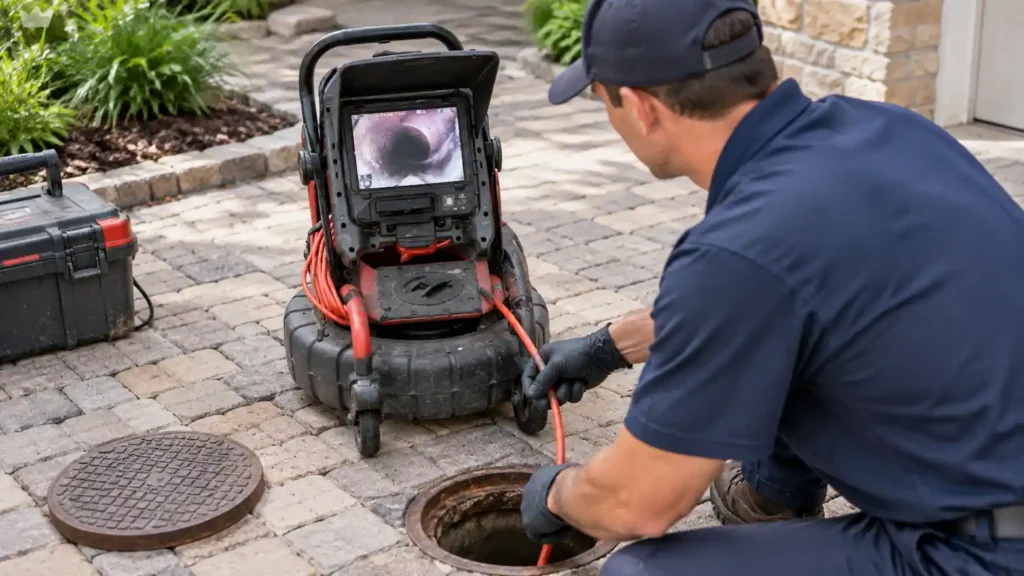
Camera inspection before jetting is how a technician avoids making a guess with high-pressure equipment. An HD camera run through the line shows pipe material, wall condition, the nature and exact location of blockages, and any structural issues that should affect how cleaning is performed or whether it should proceed at all. That information changes the recommendation in a meaningful percentage of cases.
For Austin properties built before the 1980s, this step carries particular weight. Original cast iron, clay tile, and galvanized steel lines in older neighborhoods like Hyde Park, Travis Heights, Clarksville, and Bouldin Creek may have decades of mineral scale alongside legitimate structural wear. Knowing what is there before applying pressure protects the pipe and prevents expensive mistakes.
The post-jetting camera pass is just as useful as the one before. It confirms what was removed, identifies anything the water alone did not fully address, and gives property owners documented evidence of pipe condition for maintenance planning. For property managers and commercial operators, that record supports informed decisions over time instead of reactive ones. Learn more about what HD camera inspection shows inside a line before any high-pressure cleaning begins.
Main Sewer Line Cleaning vs. Spot Drain Jetting
| Factor | Spot Drain Jetting | Main Sewer Line Jetting |
| Scope | Single fixture or branch line | Full building drain system |
| Equipment capacity required | Standard | Higher volume |
| Root intrusion frequency | Low | Common in Austin |
| Camera inspection value | Recommended | Essential |
| Typical service time | Under 2 hours | 2 to 4 hours |
| When to use | Localized buildup or clog | Systemic slow drains, backups, recurring issues |
A main sewer line carries the combined flow from every fixture in a building. Partial buildup in that line affects the whole system, not just one drain. Slow drains across multiple areas of a home, gurgling in floor drains after flushing, or recurring backups in the lowest fixture in the building are all signs the problem is in the main line.
Main line sewer cleaning requires appropriate equipment capacity for the pipe diameter, nozzle selection matched to the line’s diameter, and an understanding of the line’s path, connections, and condition. This is a different scope of work than clearing a kitchen sink drain. Treating it as equivalent produces results that match the effort, not the actual problem.
Grease Buildup and Why Standard Cleaning Does Not Resolve It
Grease accumulates on pipe walls gradually, which is why it tends to go unnoticed until a backup makes it impossible to ignore. It does not travel through the line like water. It clings to the interior surface, cools between uses, hardens over time, and progressively narrows the pipe. The drain continues to function during this process, just more slowly, until the restriction becomes severe enough to stop flow.
Chemical drain treatments and hot water flushes may soften the surface layer temporarily, but they do not remove what has bonded to the wall beneath it. A snake cuts through the soft center of a grease mass without disturbing the hardened accumulation around it. The line opens, flow returns, and the remaining buildup continues the same process.
High-pressure jetting with a nozzle designed for grease removal shears the layer from the wall and carries it out of the system entirely. For Austin restaurants operating in high-volume periods, that difference between a temporary opening and an actual clean is the difference between a functioning kitchen line and a backup during dinner service.
How to Choose the Right Hydro Jetter Plumbing Service
A legitimate hydro jetter plumbing provider does not quote a service before understanding the line. The history of the problem, pipe material, the nature of the symptoms, and previous cleaning attempts are all relevant to determining what the right approach is. A company that skips those questions is not diagnosing; it is quoting a service category without knowing whether it fits.
| What to Ask | Why It Matters |
| Do you inspect before jetting? | Determines whether diagnosis precedes service |
| Is camera inspection included? | Shows commitment to identifying the actual cause |
| What if jetting is not the right fit? | Tests honesty about service limitations |
| Can you show what the camera found? | Confirms transparency about pipe condition |
| Do you handle main sewer lines? | Establishes equipment and scope capacity |
Pricing transparency is a reliable signal of how a company operates. High-pressure equipment, camera inspection gear, and proper flushing and disposal of cleared debris all factor into a legitimate service cost. Quotes that seem unusually low for main line work or commercial jetting typically reflect a service that skips one of those steps. That gap tends to show up later, in the form of a repeat service call.
What a Hydro Jetter Plumbing Service Call Looks Like
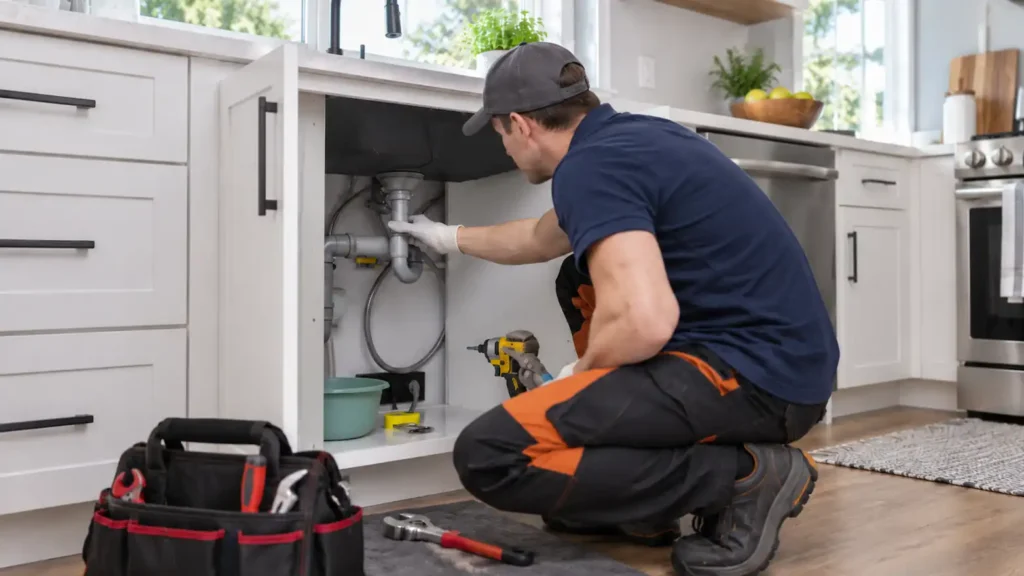
The technician accesses the line through a cleanout or by removing a fixture. When camera inspection is part of the process, it happens before jetting begins. The camera identifies the location and character of the blockage, confirms pipe condition, and guides nozzle selection and pressure settings for the clean that follows. That sequence is not procedural formality. It is what prevents the cleaning from creating new problems.
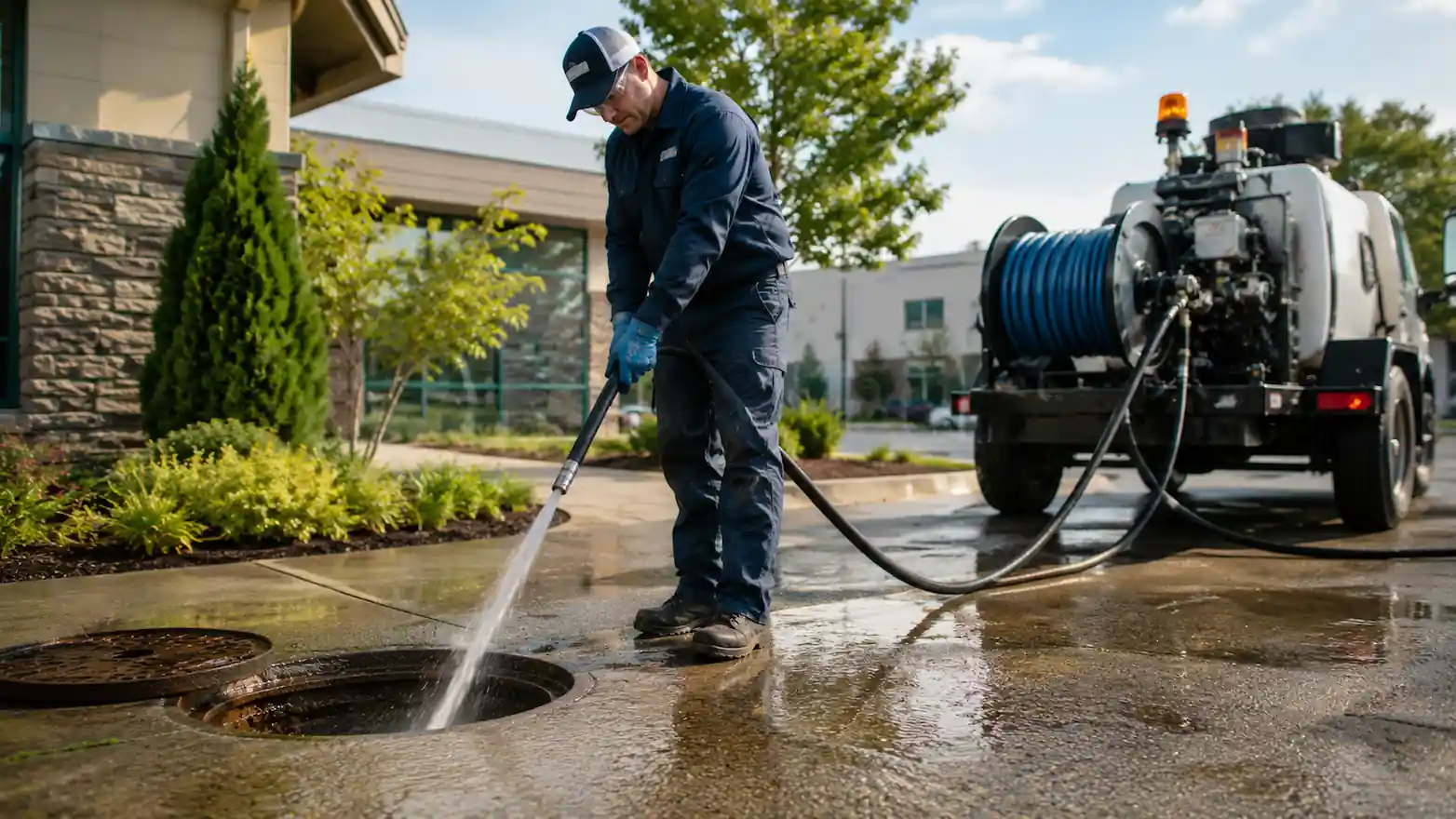
The jetting itself moves the nozzle through the line while pressurized water clears material from the pipe wall. Pressure level, number of passes, and direction of flow are adjusted based on what the camera showed and how the line responds during service. A residential drain line typically takes under two hours, depending on pipe length and buildup severity. A main sewer line takes longer and may require access from more than one point.
After the jetting, a final camera pass confirms results and identifies anything that requires a separate repair alongside the cleaning. That closing step is what distinguishes a complete service from one that stops when the drain flows again.
Honest Expectations for Hydro Jetter Plumbing Results
Hydro jetter plumbing is not a permanent fix for every pipe. It removes what is inside the line at the time of service. It does not seal cracked joints, correct pipe grade problems, repair collapsed sections, or prevent roots from returning through an existing structural opening. A thorough technician explains what jetting can accomplish given the actual condition of the line and is clear about what requires additional work.
Results last significantly longer than snaking when the pipe wall is cleaned thoroughly, and no underlying structural issue is driving reaccumulation. Most residential lines cleaned with high-pressure jetting maintain good flow for one to two years before buildup warrants another service. Commercial and restaurant lines, given the volume and content going through them daily, benefit from more frequent intervals.
The right expectation is a line that flows at full capacity, with a clear understanding of the pipe’s condition and any structural factors that may affect the next service interval. That kind of transparency is what separates a company that solves drain problems from one that keeps responding to the same ones.
Making the Right Call Before You Book
Every drain problem has a history that shapes the right recommendation. Pipe age, material, buildup type, cleaning frequency, and current symptoms together tell a clearer story than any single factor alone. A provider that treats those details as relevant is more likely to recommend a service that addresses the actual cause rather than the most recent symptom.
Hydro jetter plumbing is not the answer for every call, and it is not too aggressive for most lines in good condition. The answer depends on what is inside the pipe and whether the wall and joints can support the cleaning process. That determination requires inspection, not a phone estimate based on symptom description.
Contact EZ Hydro Jetting Austin to start with camera-backed drain guidance before choosing a fix, and get a clear picture of what is happening inside your line before committing to any service.