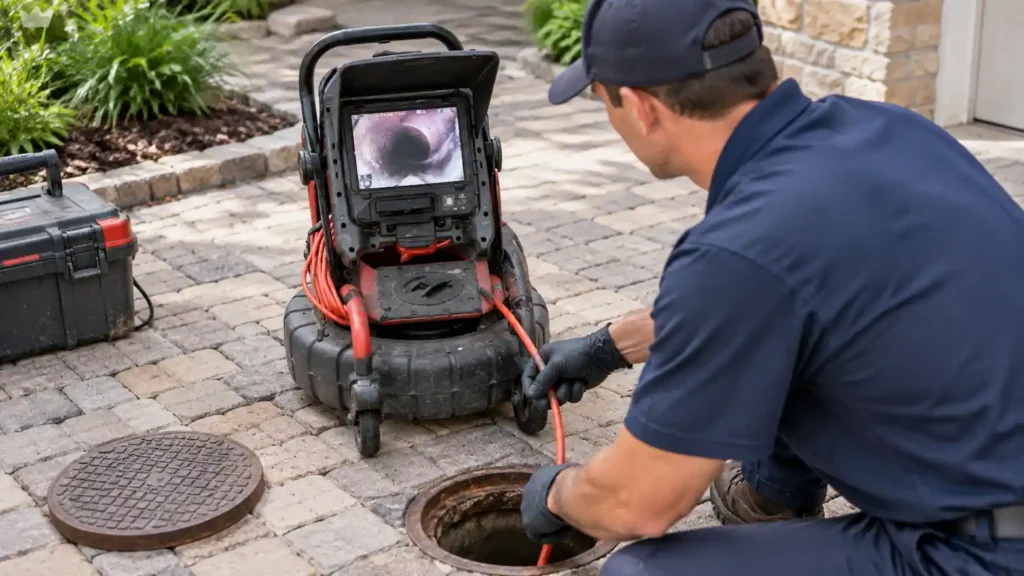
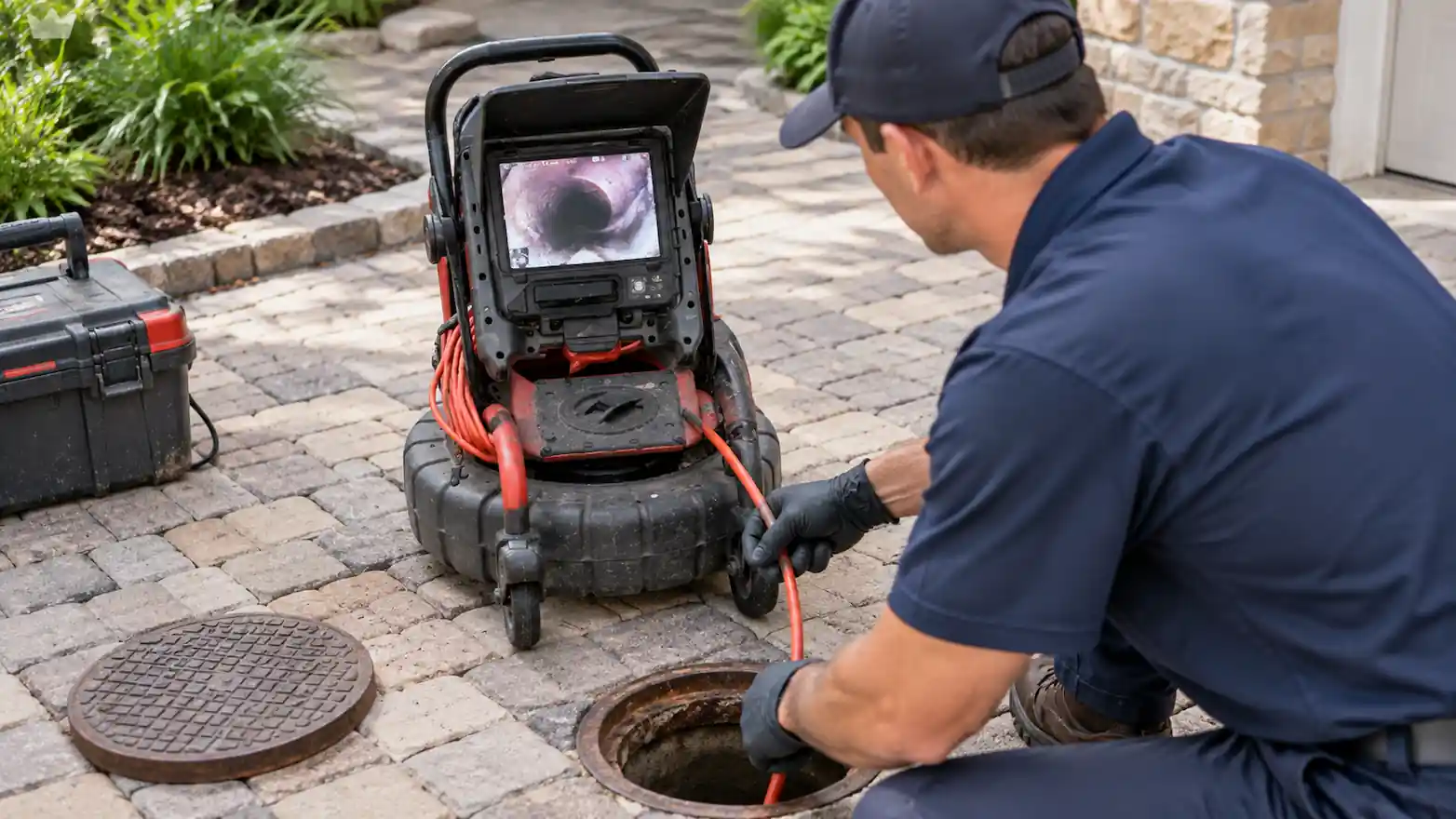
Camera sewer inspection is a diagnostic process in which a waterproof HD camera travels through a drain or sewer line and transmits real-time footage of the pipe interior to a monitor the technician reads during the pass. The footage documents pipe material, wall condition, joint integrity, the location and composition of any restriction, and whether structural conditions like displacement, or partial collapse are present anywhere along the line’s run.
It is not a cleaning method, and it does not replace the cleaning or repair that may follow it. What it replaces is the assumption that a symptom description from the fixture level provides enough information to calibrate a service correctly. A slow drain, a recurring backup, or a gurgling floor drain can describe a grease accumulation, a root mass, a pipe belly, or a combination of all three.
At EZ Hydro Jetting Austin, camera sewer inspection precedes any main line service recommendation because a cleaning approach calibrated to confirmed pipe condition produces a different outcome than one calibrated to the most common assumption for the symptom category. The inspection step is not overhead. It is what makes the service recommendation worth acting on.
What Camera Sewer Inspection Documents That Nothing Else Can
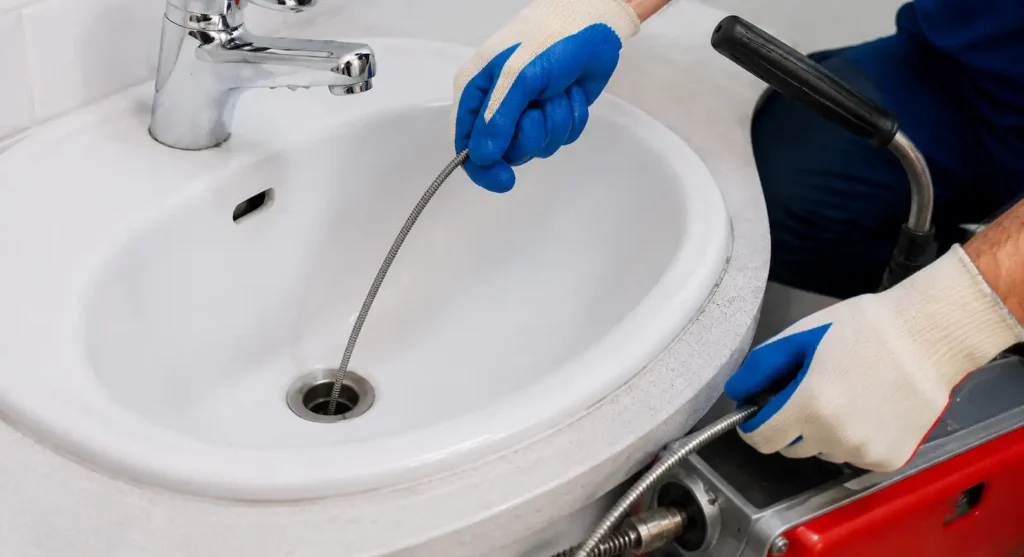
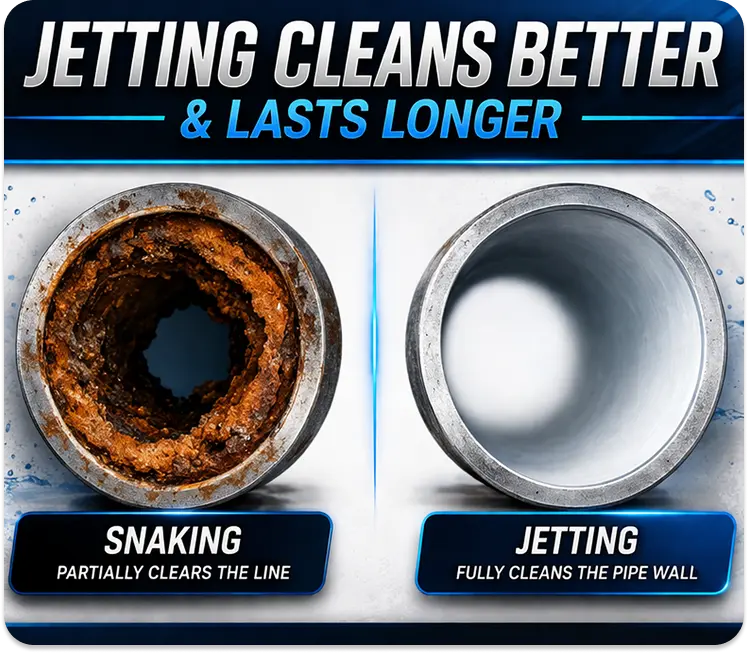
A technician at a drain opening has visual access to approximately six inches of pipe interior before the line curves out of sight. A plunger or a chemical treatment has no information about what is happening downstream at all. Snaking creates a mechanical pass through the soft center of a restriction without identifying what caused it or how far the accumulation extends along the pipe wall.
The camera shows pipe material across each section of the line, which matters for selecting appropriate cleaning pressure and determining whether the line carries any structural risk before jetting begins. It shows wall condition, which reveals whether the interior surface is intact, deteriorating, or showing signs of erosion, pitting, or corrosion that change what cleaning settings are safe.
For Austin residential properties, that joint condition information is particularly relevant. The expansive clay soil that characterizes Central Texas shifts significantly between wet and dry seasons, and sewer lines installed in that soil over decades accumulate joint movement that a standard drain service call does not detect.
When Camera Sewer Inspection Should Come Before Cleaning
Camera sewer inspection should precede cleaning whenever the drain history includes recurring problems, when the property’s pipe infrastructure has not been professionally inspected before, or when the symptom pattern suggests the restriction is in the main sewer line rather than in a single branch drain. Each of those situations describes a line where the cleaning method applied without prior inspection carries a meaningful risk of either mismatching the approach to the actual pipe condition or worsening a structural issue that the symptom pattern did not reveal.
A drain that has been cleared twice in the same year and returned to restricted flow within weeks both times has not had its actual cause identified. Each clearing addressed the soft center of the restriction without showing the technician what was bonded to the pipe wall or what structural condition might be contributing to the recurrence.
Older Austin properties with sewer lines installed before the 1980s in neighborhoods like Hyde Park, Clarksville, Bouldin Creek, and South Congress carry cast iron or clay tile infrastructure that varies significantly in current condition. Some sections hold up well. Others show wall loss, joint displacement, or partial deterioration that changes what cleaning pressure is appropriate for that specific pipe.
Camera Sewer Inspection for Austin Home Buyers and Real Estate Transactions
A standard home inspection in Austin covers the visible and accessible components of a residential property, but sewer lateral condition is not typically documented to the same specificity as the plumbing fixtures inside the house. For a buyer considering a property built before 1985, the condition of the original sewer lateral is a meaningful unknown that a camera sewer inspection before closing resolves rather than discovers after occupancy begins.
A camera passes through the sewer lateral before closing documents pipe material, wall condition, joint integrity, and whether any restriction or structural issue is present at the time of the inspection. That documentation gives the buyer a negotiating basis if significant conditions are found, a maintenance baseline if the line is in serviceable condition, and a realistic picture of what the drain infrastructure looks like before committing to ownership of the property.
For Austin real estate investors acquiring older properties in established neighborhoods, camera sewer inspection is among the most practical pre-purchase diagnostic tools available. A lateral with significant root intrusion, a deteriorated section requiring repair, or a pipe belly with standing water that accumulates debris independently of cleaning frequency represents a cost that a well-timed inspection makes predictable rather than surprising after closing.
What Camera Sewer Inspection Finds Most Often in Austin Properties
Grease accumulation in the main sewer line is the second most common camera finding in Austin residential properties with high cooking output and no professional main line cleaning history. The camera shows the layer thickness and its distribution along the run of the line, information that guides nozzle selection and pressure settings for the jetting service in a way that a description of slow drainage from the fixture level does not.
Mineral scale from Central Texas hard water appears on camera as a narrowed, roughened interior surface that extends in sections along the pipe wall rather than collecting at one point. Scale found alongside grease changes the cleaning approach because the two materials respond to different nozzle profiles and pressure levels, and camera inspection is what confirms the presence and distribution of both before any cleaning begins.
Camera Sewer Inspection Before and After Jetting: What Each Pass Produces
The pre-jetting camera sewer inspection establishes the baseline that makes the post-service inspection meaningful. It confirms pipe material and wall condition, locates the restriction and documents its composition, identifies any structural conditions that should change how the cleaning is performed, and determines whether full jetting pressure is appropriate for the specific sections of pipe in front of the technician.
The pre-jetting pass also identifies situations where jetting is not the right starting point. A section of cast iron with significant wall loss in a specific run of the line may need reduced pressure through that section rather than uniform full-pressure cleaning. A section with a partial collapse or severe joint displacement may need a structural assessment before any high-pressure water enters that part of the line.
The post-jetting camera sewer inspection confirms what the cleaning removed, shows whether the interior wall surface is clear across the full length of the service run, and identifies anything the high-pressure water alone did not fully address. Our HD camera inspection service provides both the pre-service diagnostic and the post-service confirmation as part of a complete main line evaluation for Austin residential and commercial properties.
Camera Sewer Inspection for Commercial and Restaurant Properties in Austin
Commercial drain systems in Austin accumulate buildup at a rate that residential camera sewer inspection findings do not fully represent. A restaurant kitchen processing multiple service periods daily generates grease, food solids, and cleaning chemical output through the same lines that a residential kitchen produces in a week, and the accumulation timeline for a commercial kitchen line reflects that volume.
For restaurant operators, inspection on a scheduled interval before grease accumulation reaches the backup threshold is the step that changes kitchen drain management from reactive to predictable. Knowing the current state of the line before a backup forces a service call during dinner service is what makes it possible to schedule cleaning during planned downtime rather than responding to an emergency that stops service without warning.
For property managers overseeing Austin commercial or mixed-use buildings, documentation after any recurring drain service call is the record that breaks the pattern of reactive service on the same lines. A commercial drain that has produced three service calls in eighteen months without a camera inspection has been cleared repeatedly without identifying what is driving the accumulation. The camera is what shows that.
Making the Right Drain Decision After Camera Sewer Inspection
Every camera inspection produces findings that make a specific service recommendation possible where only an assumption-based one existed before. Grease accumulation confirmed at a consistent layer thickness across the main line calls for jetting with nozzle selection and pressure calibrated to what the camera showed. Root intrusion at a specific joint calls for root-clearing jetting followed by a structural assessment of the entry point.
The inspection does not replace the judgment of an experienced technician reviewing the footage and making a recommendation based on what it shows. What it replaces is the absence of that information, and the service calls that proceed without it. An Austin property owner who schedules camera sewer inspection before any main line service is working from documented pipe condition rather than a symptom description, and that difference is what makes the service recommendation specific enough to produce a result that holds rather than one that schedules the next call by default.
Contact EZ Hydro Jetting Austin to book a drain evaluation that starts with sewer inspection before any cleaning method is recommended, and get a clear picture of what is actually inside your line before committing to any service.