How often should drains be cleaned? There is no single number, because a kitchen sink, a shower, and a main sewer line collect different things at different speeds. A kitchen drain can need attention monthly, while a main line may only need a professional look every year or two, and prevention starts with knowing foods that clog drains before they ever reach the pipe.
This will show you a workable timetable for your house, according to the drain type, what factors affect it, the signs that your drain needs emergency attention, and the times when it makes sense to call for professional drain cleaning. These numbers are just guidelines, and it is only through the camera inspection that it becomes tailored to your particular system.
At EZ Hydro Jetting Austin, we see firsthand the effects of neglecting regular maintenance in the form of grease deposits that can be flushed before it hardens, or scale build-up that gradually narrows a pipe. A proper maintenance timetable will save you from the costs of an emergency situation.
What Builds Up Inside Drains and Why It Matters
A drain clog is grease, hair, soap scum, mineral deposits, and other matter that forms a layer along the pipes. It does not suddenly clog up a pipe. Instead, it makes the pipe smaller gradually until something else clogs up the drain.
That gradual pattern is why the question of how often should drains be cleaned matters more than the question of how to clear a clog. Cleaning before a blockage forms costs less, takes less time, and avoids the damage that comes with a backup.
Each one is unique in its characteristics. The grease will cool and solidify. The hair will mat together with the soap to form a very tough plug. The mineral scale, which the hard water from Central Texas tends to promote, creates a rough inner surface to trap everything else.
How Often Should Drains Be Cleaned? A Schedule by Drain Type
Use the table below as a starting point for how often should drains be cleaned in a typical household, then adjust for your home using the factors later in this guide.
| Drain | Homeowner care | Professional cleaning |
| Kitchen sink | Strainer daily, hot-water flush weekly | When slow, or yearly if grease-heavy |
| Shower and tub | Empty hair catcher after use, clean monthly | When slow or recurring |
| Bathroom sink | Clean stopper monthly | When slow or recurring |
| Washing machine drain | Check lint filter and standpipe quarterly | When water backs up |
| Floor drain | Flush with water monthly | Yearly inspection if it connects to the sanitary line |
| Main sewer line | Know your cleanout | Every one to two years for older or high-use lines, or after repeat backups |
This is a set of practical guidelines rather than code requirements. It reflects the rate of accumulation and should be advanced to an earlier period if you observe any of the warning signs of blocked drains mentioned in the following sections.
Make shorter intervals for frequently used drains and lengthen them for drains with infrequent use. A guest bathroom that is used occasionally on monthly basis doesn’t need the same maintenance regimen as the family shower.
Kitchen Drains: The Highest-Maintenance Line in the House
If you only follow one rule on how often should drains be cleaned, make it the kitchen. Fats, oils, and grease cool and solidify in the line, which can cause backups, and hot water and soap do not stop that, according to kitchen grease disposal guidance from Clemson Extension.
The advice here is to store cooled grease in cans or bottles and dispose of it, and to use paper towels to clean dirty pans before washing. The inclusion of a sink strainer makes another level of protection, and with all of this done, there is much less buildup.
Using a garbage disposal will not help you get rid of the grease buildup. What this appliance does is crush the food items into smaller bits that end up going through the drain, making it necessary for such kitchens to be cleaned professionally more often.
A weekly flushing using hot water may help remove some grease buildup, but it is no substitute for stopping the grease from entering the pipes in the first place.
Bathroom Drains: Hair, Soap, and Hard Water
Bathroom drains collect hair and soap scum, so how often should drains be cleaned here depends on how many people use them. A hair catcher emptied after each shower does most of the work, and a monthly cleaning of the stopper and drain opening keeps film from hardening.
Soap will react with the calcium found in hard water, forming a substance called scum, making a bathroom in a hard water zone clog faster than the same bathroom in another region. If your shower has slowed down even after cleaning the pipes, then you need to look beneath the drain surface.
You should not forget about washing machine drains. There will be lint build-up in the stand pipe, meaning that you should check it at least once every couple of months and clean the lint filter.
Main Sewer Lines and Floor Drains
The main line is the hardest drain to judge, so how often should drains be cleaned here depends on age, material, and history. A newer PVC line with no problems may only need a look every few years, while an older line with a history of backups benefits from attention every one to two years.
The most effective means of answering the question is a camera inspection. The camera inspection indicates how much buildup the pipe has, if there are any joints or sags forming, and how fast the pipe is deteriorating.
Having an idea where your cleanout point is located will ensure that all future services will be quick and inexpensive. In case the point can’t be found, its location should be your first step before your next cleaning service.
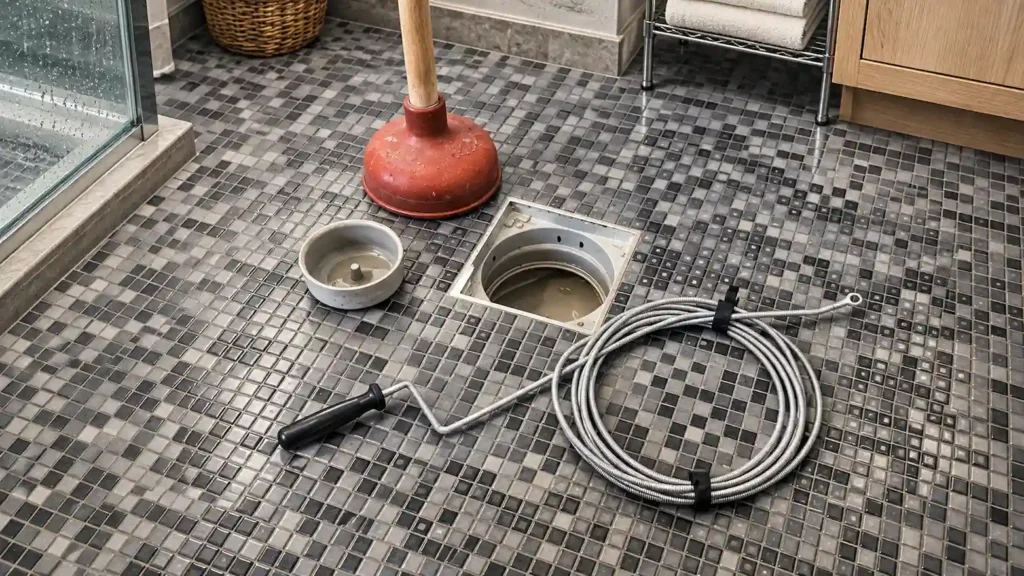
It is easy to forget about floor drains, but in case they become dry, then the sewer gas will start to enter your house. You should be pouring water into them once a month, especially in case the floor drain is connected to the sanitary line.
What Changes Your Cleaning Schedule
A table gives a baseline, but how often should drains be cleaned in your home depends on factors the table cannot see. The more of these apply, the earlier you should shorten the interval.
- Pipe age and material, since older clay or cast iron lines collect buildup faster than smooth PVC.
- Household size, because more showers, laundry, and cooking mean more buildup.
- Cooking habits, especially frying and sauces.
- Hard water, which encourages scale and soap scum.
- Property type, since rentals, multi-unit buildings, and restaurants put heavy and inconsistent loads on drains.
- History of clogs, because a drain that has failed once is likely to fail again.
Landlords and property managers should lean toward the shorter end of every range. A vacant unit with a slow drain nobody reported can turn into a backup before the next inspection.
Signs Your Drains Cannot Wait for the Schedule
A calendar is a guide, and the drains themselves have the final say. If you notice any of the signs below, the answer to how often should drains be cleaned has already changed for that line.
- Water drains slower than it used to, even after clearing the strainer.
- A clog returns within weeks of being cleared.
- Gurgling sounds when water runs or a toilet flushes.
- Foul odors rising from a drain, even after cleaning the fixture.
- More than one fixture draining poorly at the same time.
Multiple slow fixtures and gurgling suggest a shared line, which is a bigger problem than one sink. Treat those signs as a reason to book a camera inspection, not to wait for the next scheduled cleaning.
Odors deserve special attention. A drain that smells after you have cleaned the fixture may have buildup below the trap, a dry trap, or a venting problem, and each of those needs a different fix.
DIY Care or Professional Jetting: How Often Should Drains Be Cleaned?
Homeowners have their own responsibilities when it comes to doing work on weekly and monthly basis like strainers, hair catchers, stoppers, and flushing. The professional cleaning takes care of those places where these things cannot reach.
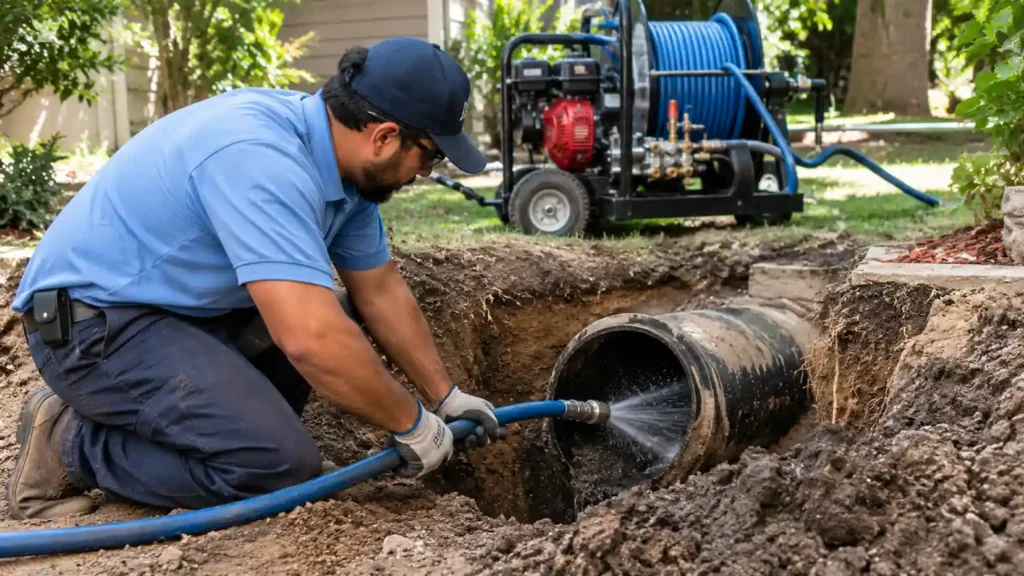
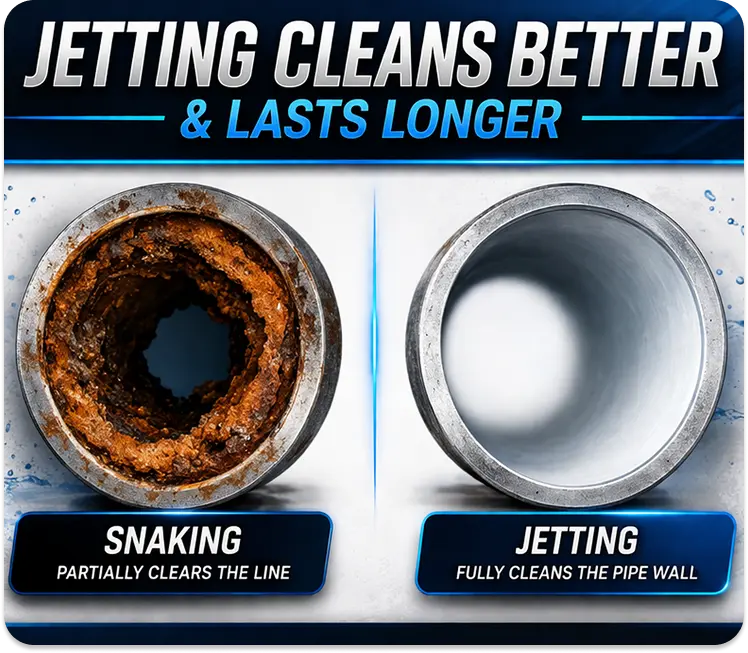
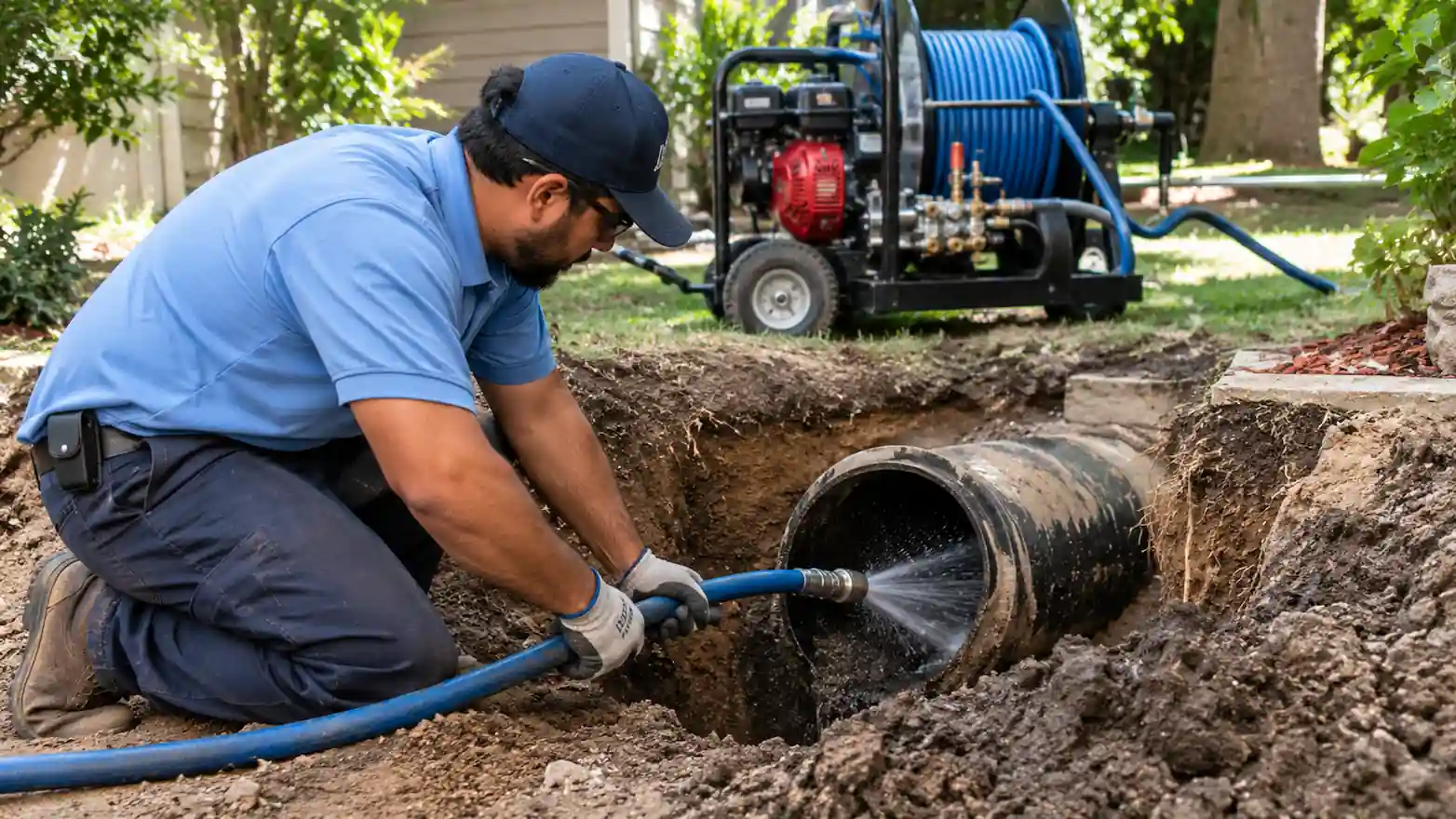
At EZ Hydro Jetting Austin, our residential hydro jetting uses a controlled high-pressure water jet to scour grease, scale, and debris from the pipe wall, which is the cleaning a snake or plunger usually cannot provide. We pair it with a camera pass so the interval we recommend is based on what the pipe shows.
For most homes, the answer to how often should drains be cleaned professionally is not every year for every drain. It is when buildup, symptoms, or a camera inspection say a line needs it.
Building a Drain Cleaning Schedule That Fits Your Home
Start with the table, adjust for your home, and watch for the warning signs. That is the whole method behind how often should drains be cleaned: routine care at the fixture, professional attention when the line needs it, and a camera to confirm the plan.
Write the schedule down, put the monthly items on your calendar, and keep any inspection footage. Over time, that record shows whether your drains are holding steady or getting worse.
If you rent out property, add a line to each inspection checklist for drain speed, odors, and any recent clogs. Those three observations help catch developing problems before a tenant calls.
Get a quote and let EZ Hydro Jetting Austin inspect your lines, clean what needs cleaning, and recommend a schedule you can actually follow.