Homeowners who ask “why do my drains back up when it rains” are generally seeing one of two scenarios: there’s too much water in the sewer system or there’s a weak spot in their own line which the rain brings out. In Texas cities such as Fort Worth, the sewer is built separately from storm drains, but infiltration and inflow can still push extra water into it.
This guide sets out how rain gets into the sewer, why a city main or a private line might fail first, how to work out which one is yours and what you should do whilst water is rising. Backups during a storm can be very urgent so the diagnostic steps are accompanied by safety notes.
At EZ Hydro Jetting Austin we’re quite often called in after the first real heavy storm of the season exposes a problem that’s been building quietly all along. The storm itself didn’t cause the problem, it just revealed it. A camera and a cleaning can will tell you exactly what the problem was.
How Rainwater Gets Into a Sewer That Was Built to Keep It Out
Infiltration and inflow (often abbreviated to I&I) is the term for potable water entering a sanitary sewer where it shouldn’t. Infiltration is the ingress of groundwater through cracks, holes, bad joints and so on in the pipe.
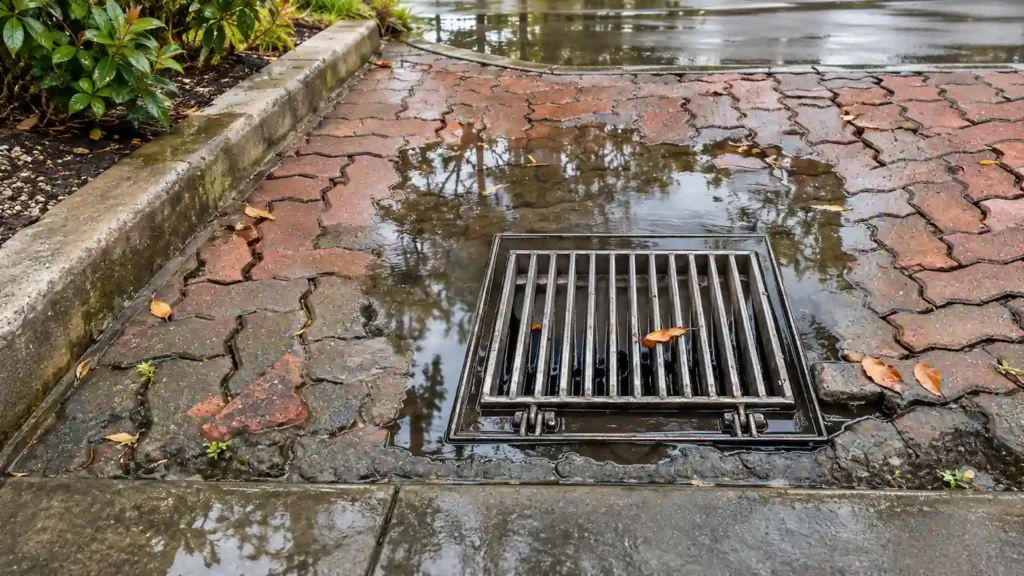
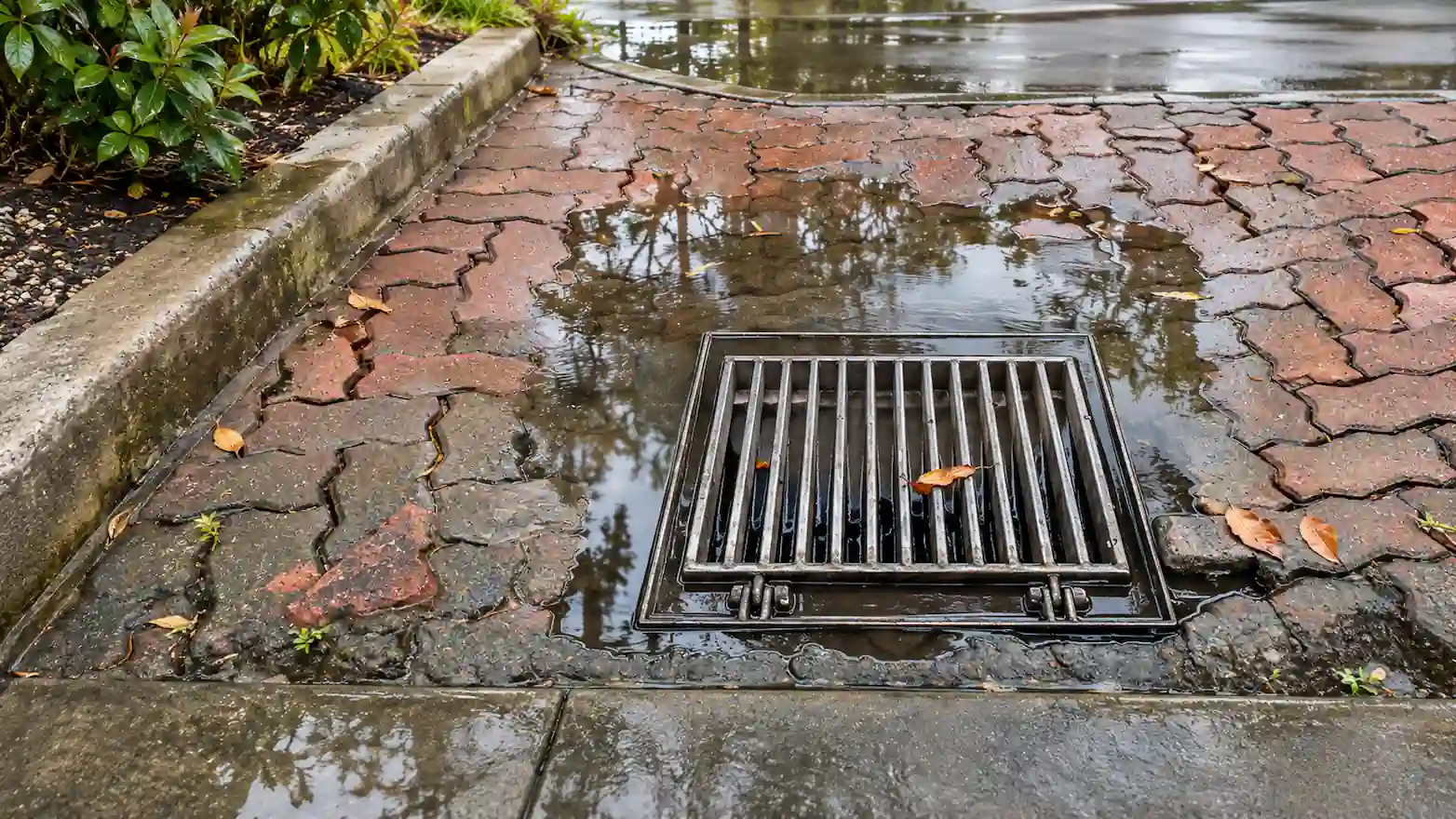
Inflow is surface water that comes in directly, for example stormwater running through a roof downspout, water seeping through a hole in a manhole cover or water via an illegal plumbing connection. It’s water that adds to the volume of a system which has a fixed capacity.
That is the heart of the answer to why do my drains back up when it rains. Wet weather adds clean water to a sewer, the extra volume uses up space meant for household wastewater, and the lowest drain in a house is where the pressure shows first.
When the City Main Cannot Keep Up
If the public main fills during heavy rain the wastewater has nowhere to go and will back up into the lowest connected fixture. If a number of neighbours are reporting the same thing (why do my drains back up when it rains?) then a stressed city main is a very likely cause.
Texas regulators describe this risk plainly. The Texas Commission on Environmental Quality notes that overflows can occur when there is significant inflow and infiltration, when a collection system is poorly maintained, or when it lacks capacity.
It’s your main line if a number of neighbours have the same issue, if it occurs even when nobody in the house is using water and it clears up when the rain stops. In that case you report it to your city wastewater department.
When Your Private Sewer Lateral Is the Weak Link
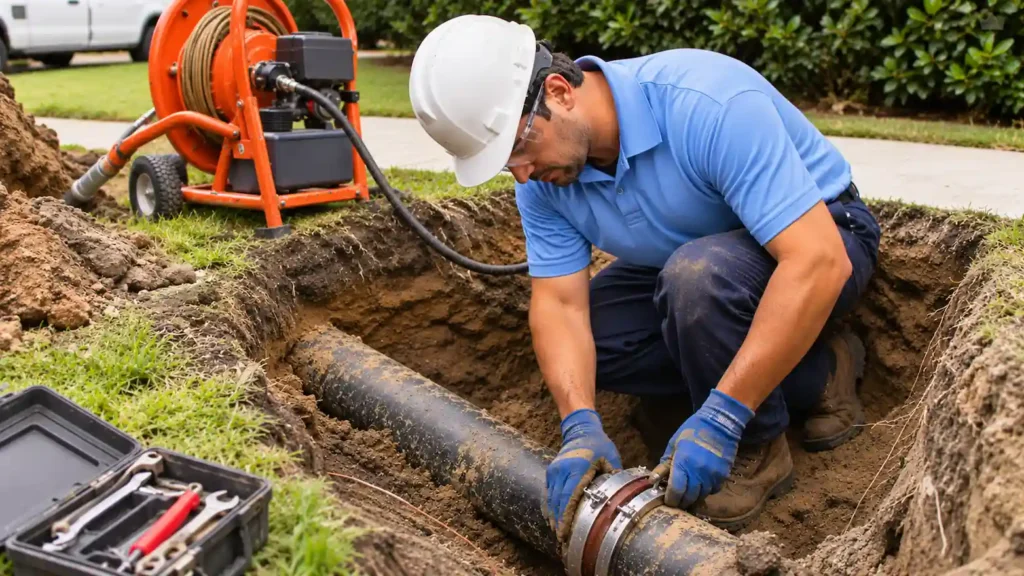
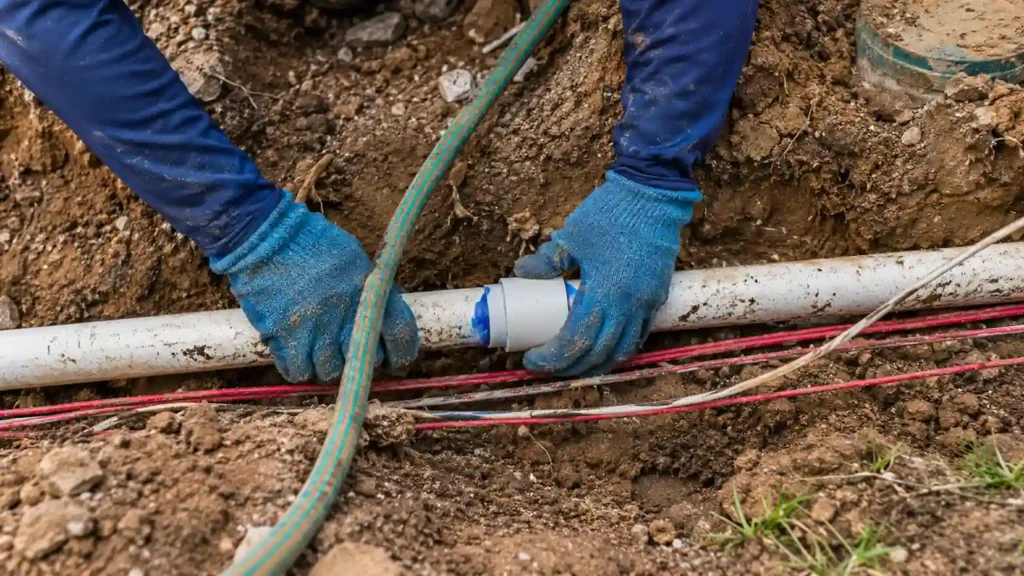
A sewer lateral is the privately owned pipe that runs from your building to the public main and in many Texas cities it’s the owner’s responsibility. Rain can expose three types of defect in a lateral: cracks that allow groundwater in, joints that have shifted out of line and partial blockages which were already slowing the flow.
A lateral with a sag, grease build up or root intrusion has less capacity to take on extra flow. That’s why a homeowner who asks ‘why do my drains back up when it rains’ may well find the answer in the pipe itself rather than in the storm.
Signs it’s your lateral: the backup stops when you turn off your water, all the other properties are fine and it’s the same fixtures that it happens at. That points to a private line and a plumber will typically need to clean and inspect it.
Older Austin homes may have clay or cast iron laterals whose joints have settled over the years, whilst the newer PVC laterals can still develop sags as the soil settles after the pipe has been laid. Both of these can hold water and debris which a heavy flow will then push towards the house.
Hidden Rainwater Paths Into Your Drain System
Some of the answers to ‘why do my drains back up when it rains’ are to do with your own property. Rainwater can get into the sewer via connections that were never intended to carry rainwater and those can be remedied.
- Roof downspouts or yard drains tied into the sewer line.
- A missing or broken cleanout cap that lets surface water in.
- Cracked lateral sections that admit groundwater after saturated soil.
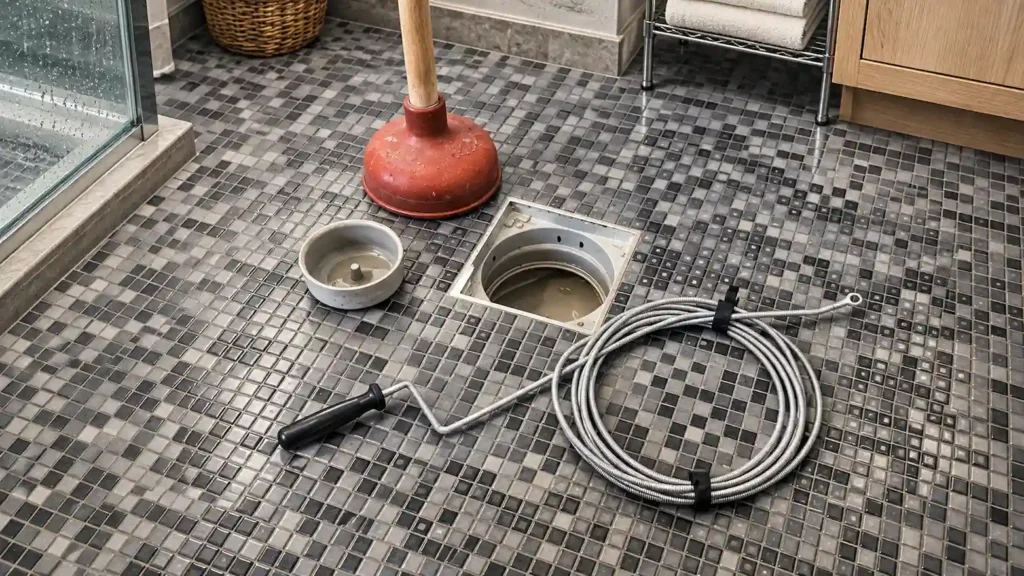
- Floor drains that connect to the sanitary line and sit lowest in the house.
A cracked or missing cleanout cap is one of the easiest and cheapest of the problems on this list and one of the easiest to just ignore. If yours is damaged in any way then replace it prior to the next storm and get a plumber to have a look at the line beyond it.
Why Do My Drains Back Up When It Rains? A Three-Step Check
A short check can tell you which side of the property line the problem is on, and that is the useful part of why do my drains back up when it rains. Do it safely, and stop if water is rising quickly.
- Stop using water in the home and see if the backup stops. If it does, the problem is likely in your private line.
- If the problem continues with no water in use, call your city wastewater department, since the main may be involved.
- Ask neighbors if they are seeing the same thing. Several affected homes point to the main.
| Pattern | Likely source | Next step |
| Stops when water use stops | Private lateral | Plumber, camera inspection, cleaning |
| Continues with no water in use | City main | Report to the city |
| Only the lowest drain backs up during heavy rain | Overloaded line or inflow | Inspect cleanouts and connections |
| Same neighbors affected every storm | City main capacity or I&I | Report patterns to the city |
What to Do While Water Is Backing Up
Anyone asking why do my drains back up when it rains also needs to know what to do in the moment. First, stop adding water: no showers, laundry, or dishwasher until the backup subsides.
- Keep children and pets away from standing water, since backup water can carry contaminants.
- Wear waterproof gloves and boots if you must enter the area.
- Do not use chemical drain cleaners in a flooding drain.
- Photograph the water and damage before cleanup for any insurance claim.
Treat any water near an outlet, an appliance or electrical equipment as an emergency. Get out of it and call for emergency assistance immediately if sewage is getting into the living areas.
Standard home owners’ policies will usually exclude sewer or drain backup unless you have an endorsement, so check your policy and get in touch with your agent as soon as possible.
How Emergency Hydro Jetting and Camera Work Fix Private Line Causes
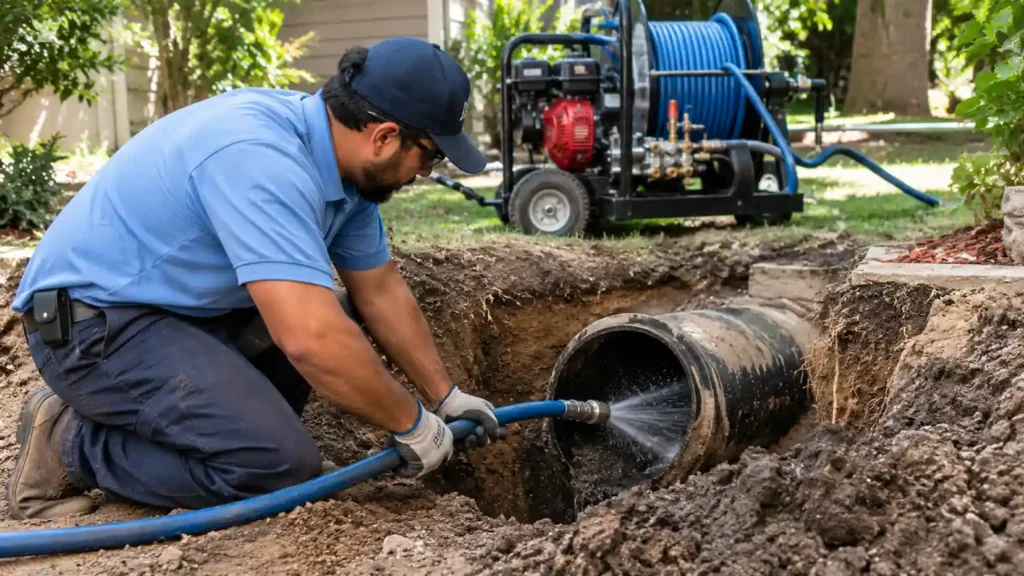
At EZ Hydro Jetting Austin, our emergency hydro jetting response is built for the situation where a private line is blocked or restricted and water has nowhere to go. We high pressure jet the blockage out (grease, debris, all that sort of thing) and then do a camera pass to see what the pipe is hiding.
For a homeowner trying to work out why their drains back up when it’s raining the footage is often the most useful bit. It can show you a belly that’s holding water, a displaced joint, root ingress or build up which will explain why the line fails under the extra load.
Cleaning isn’t the answer in all cases. If the camera shows a cracked or collapsed section then pressure cleaning is the wrong thing to do and you need to repair it first. We’d much rather tell you that before the nozzle goes in.
Preventing the Next Storm Backup
| Action | What it does | When |
| Replace damaged cleanout caps | Keeps surface water out of the line | Before storm season |
| Redirect downspouts away from sewer connections | Keeps roof runoff out of the system | When any connection is found |
| Camera inspect the lateral | Finds cracks, sags, and defects | After repeat backups |
| Clean the line on a schedule | Removes grease and buildup that restrict flow | Per the camera findings |
| Ask a plumber about a backwater valve | Can block reverse flow into the home | If backups repeat and local rules allow |
Prevention is the practical side of why do my drains back up when it rains. Most items in the table cost far less than a flooded floor, and several can be done before the next storm.
Acting Before the Next Storm
Rain by itself doesn’t usually create a sewer problem from nothing. It’ll either expose the capacity of the city main, reveal a defect in a private lateral or expose a connection that’s allowing water in. Once you know which of those you have then the answer to ‘why do my drains back up when it rains’ becomes a simple repair list rather than a mystery.
If the city main is the problem then report it so they can go out and investigate. If it’s your private line then don’t wait until the next storm to test the fix.
Get a quote and let EZ Hydro Jetting Austin inspect the line, clear what is restricting it, and tell you plainly whether your backups are a private line problem or something to report to the city.