The answer to the question of how to unclog the sink is conditional. The right approach will vary according to the type of sink, the material causing the blockage, the length of time the problem has existed, and whether it has come back following a prior effort to clear it. Thus, the course of action needed for a bathroom sink which stopped draining after a period of heavy use is different from that required for a kitchen sink which has been draining more and more slowly for two months and once again became partially blocked some three weeks after it had last been cleared.
The majority of sink blockages in residential properties in Austin are due to a number of common causes: grease and food particles accumulating on the walls of the kitchen pipes, hair and soap scum in the bathroom branch lines, mineral scale from the hard water of Central Texas which reduces the internal diameter of the pipe, or a blockage further down the main sewer line that is detected at the outlet before the true source can be identified.
At EZ Hydro Jetting Austin, when dealing with a clogged sink we look at what is inside the pipe rather than at the symptom that is appearing at the sink fixture. If a sink has cleared only to have the flow again become restricted many times, this indicates a problem caused by a build-up on the pipe walls, and it is this distinction that tells us whether the appropriate next move is to carry out a superficial clearing or to call in a professional cleaning service.
How to Unclog the Sink: Causes by Fixture Type
Kitchen sink blockages are caused by grease, food particles, and dish soap, which build up in successive layers on the inside of the pipe instead of going through it smoothly. The grease leaves the kitchen in a hot and liquid state, cools down as it comes into contact with the pipe wall during part of its journey through the drain, and then hardens into thin layers that get thicker over weeks and months.
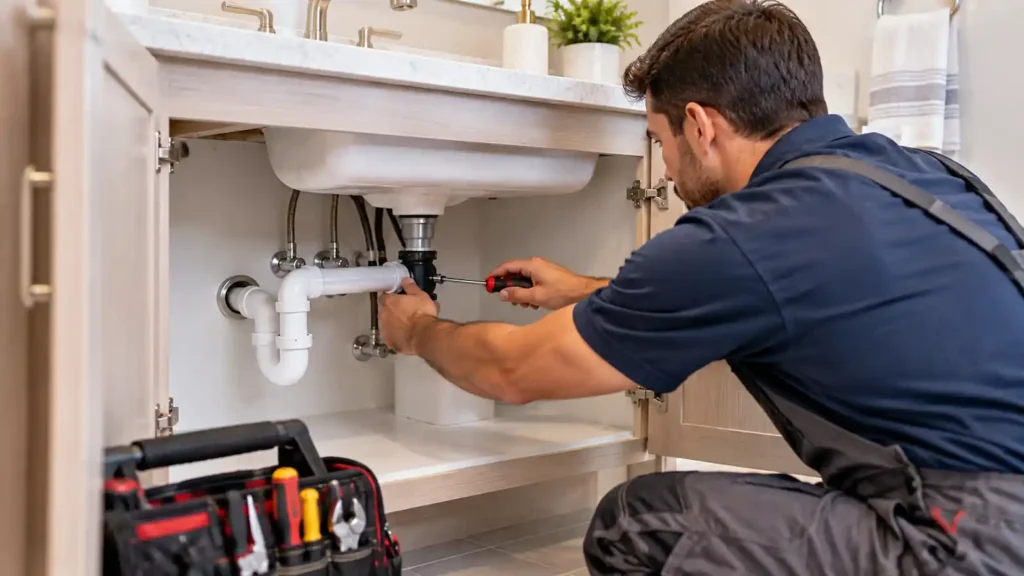
Clogs in the bathroom sink are caused by a different mix of materials and occur at a lesser depth. Hair, the residue of toothpaste, soap scum, and deposits from personal care products gather in the p-trap or in the first part of the branch drain rather than building up deep within the pipe. Although these clogs are easier to access than the ones caused by kitchen grease, they return quickly if only the material on the surface is removed without also cleaning the residue that is stuck to the inside of the pipe.
The symptoms associated with restrictions in the main sewer line are different from either of the two patterns just mentioned. If the kitchen sink slows down at the same time as the bathroom drain rises and the floor drain somewhere else in the house gurgles following a toilet flush, then the problem must be in the main sewer line which carries the combined flow from all the connected fixtures. In such a multi-fixture situation the question of how to unclog the sink is a main line service issue and not one that can be dealt with at the level of individual fixtures.
How to Unclog the Sink: Comparing the Three Main Approaches
| Factor | Plunger or Home Remedy | Snaking | Hydro Jetting |
| Removes pipe wall buildup | No | No | Yes |
| Clears soft blockages | Sometimes | Yes | Yes |
| Addresses grease accumulation | No | Partially | Yes |
| Handles mineral scale | No | No | Yes |
| Prevents recurring clogs | No | Limited | Strong |
| Camera inspection recommended | No | Sometimes | Yes |
| Safe for all pipe types | Generally | Generally | Depends on condition |
| Appropriate for main line | No | Basic | Full-diameter clean |
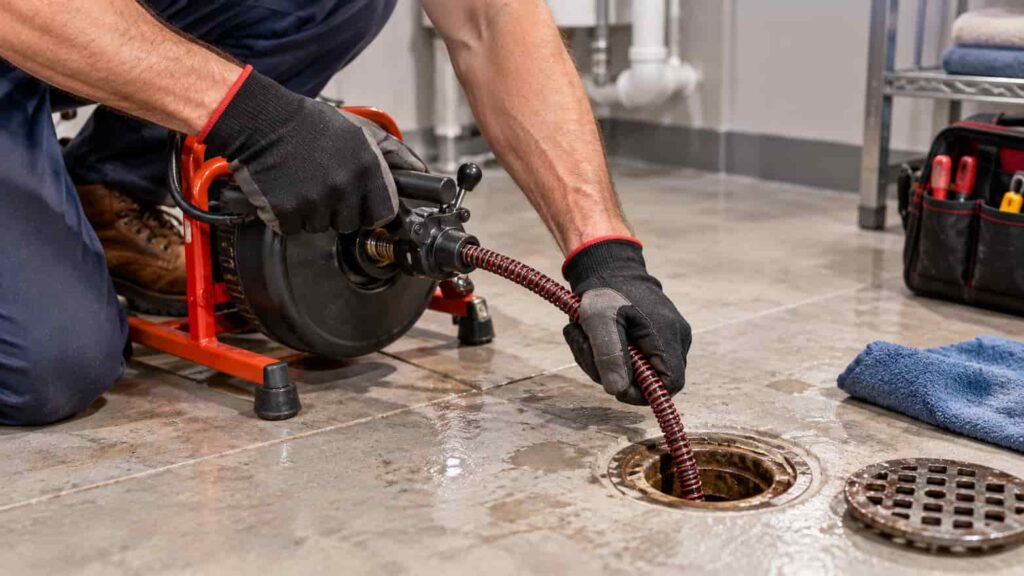
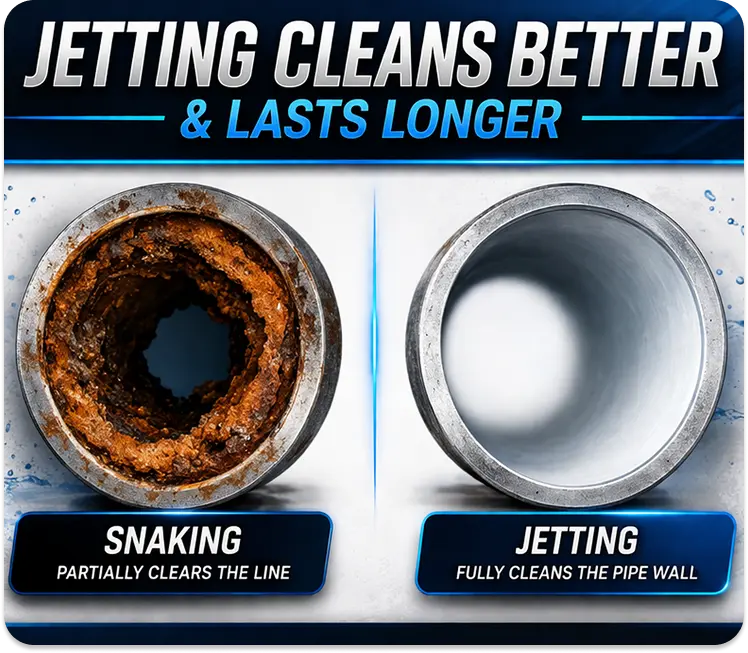
The practical difference between those three methods is what each one reaches inside the pipe. How to unclog the sink in a way that changes the service interval rather than just advancing the next episode depends on reaching the wall layer, not just the soft center of the most recent blockage.
When How to Unclog the Sink Becomes a Main Line Concern
One how to unclog the sink situation is different from another in which the kitchen sink drains slowly, the bathroom sink runs freely, and after a toilet has been flushed the floor drain in another part of the house gurgles.
The pattern involving multiple fixtures is not the result of three separate clog incidents occurring at the same time; rather, it is due to a single restriction in the main sewer line, which reduces the total combined flow capacity and therefore shows that reduced capacity through all the fixtures connected to it at the same time.
The limits on the main drain in residential properties in Austin result from the total amount of discharge from all the drain connections in the house over time when no professional cleaning of the main line has been carried out. Although grease, soap film, hair, and mineral scale build up on the walls of the main drain more slowly than in the branch lines of the kitchen, this build-up occurs over a longer section of the pipe and after a longer period without servicing.
How to Unclog the Sink: When to Handle It at Home and When to Call
| Situation | DIY May Be Sufficient | Professional Service Needed |
| First-time soft clog, bathroom sink, newer pipe | Yes | Not immediately |
| Same clog returned within 6-8 weeks | No | Yes |
| Multiple fixtures slow simultaneously | No | Yes |
| Plunger and drain cleaner both failed | No | Yes |
| Kitchen sink with grease history | No | Yes |
| Older home, pipe material unknown | No | Yes |
| Gurgling sounds from other fixtures | No | Yes |
| No professional cleaning in 3 or more years | Unlikely | Yes |
How to unclog the sink with a home approach is reasonable for a first-time soft clog in a newer line with no recurrence history and no other affected fixtures. Any other pattern in this table points toward a professional assessment before any further clearing is attempted, because the cause in those situations is inside the pipe at a depth or density that plungers, chemical treatments, and basic snaking do not consistently reach.
Austin Residential Hydro Jetting Guidance: When Professional Cleaning Replaces the DIY Cycle
How to unclog the sink goes from being a ‘home remedy’ type of question to a professional service question when the pattern of the problem points to a wall layer cause that surface clearing simply can’t get at.
A kitchen line that’s been running with grease for months, a bathroom branch drain with a build-up of mineral, soap and hair all bonded to the wall of the pipe, or a main sewer line with a restriction that’s affecting a number of the fixtures at once are all cases where high pressure jetting is the only solution as it deals with the actual restriction at the source rather than just the most obvious symptom.
Our residential hydro-jetting service deals with the wall layer build up behind the recurrent sink clogs using high pressure cleaning. The cleaning is precisely calibrated to the pipe condition and the type of build up which has been confirmed by camera inspection prior to the service commencing.
What Recurring Sink Clogs Reveal About the Line Condition
How to unclog the sink permanently is a question about the wall layer rather than the soft centre of the latest blockage. A sink that clears up and then goes back to a restricted flow within weeks is giving you consistent information about a root cause that hasn’t been dealt with. Every time it clears it’s just removing the soft material right at the drain opening, it’s not touching the layer that’s bonded to the pipe wall underneath.
Each subsequent accumulation cycle is going to start from a thicker base than the last and the time between clearing and the next restriction is going to get shorter each time.
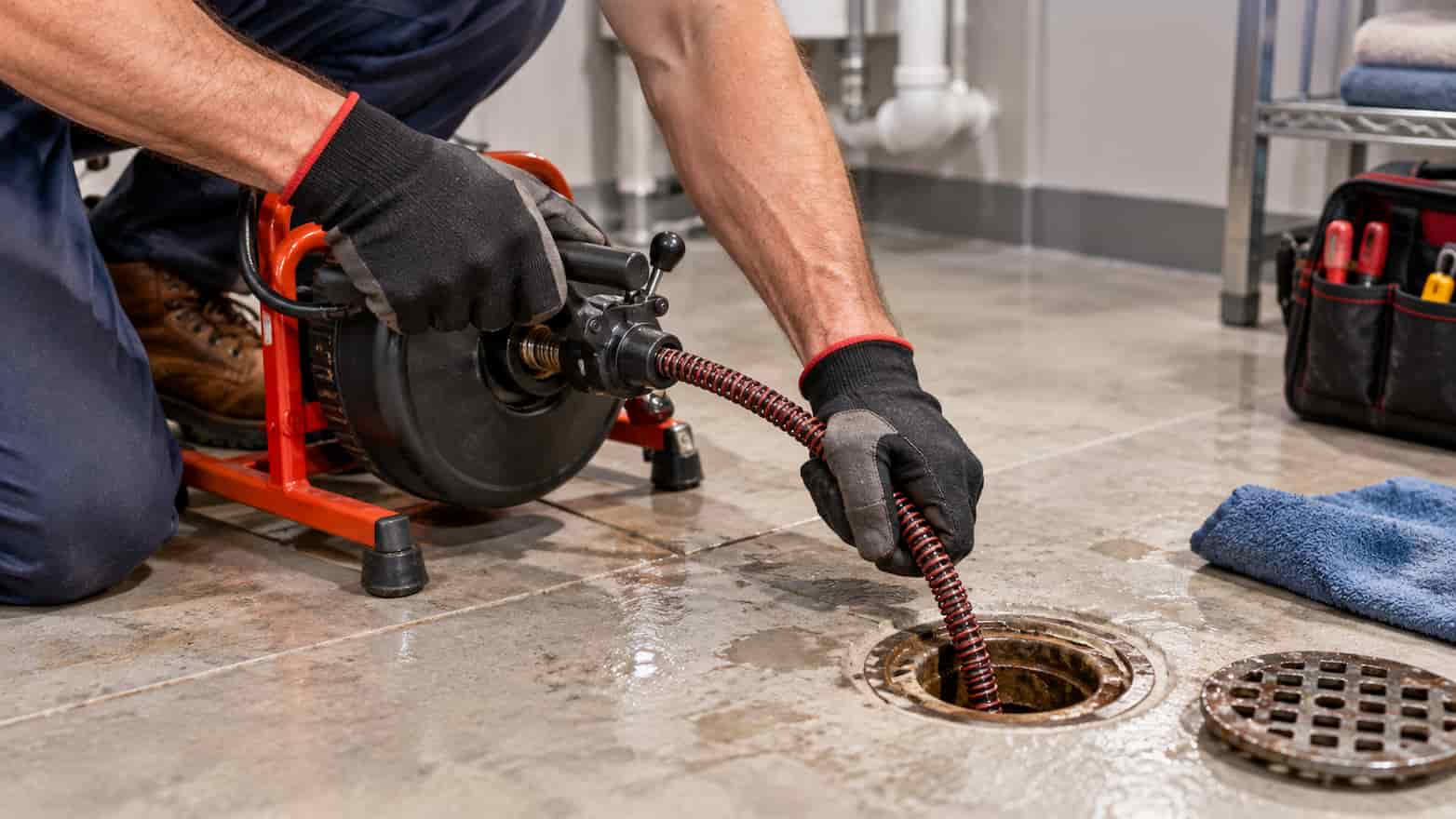
Repeated snaking on the same line without dealing with the wall layer also leads to a cumulative amount of pipe exposure over time. Each mechanical pass creates friction against the interior of the pipe and in older or already compromised pipe that friction will add to the wear as well as the restriction. By the time you get to camera inspection after a number of clearings on the same line the condition of the pipe will be that of a pipe with a much longer service history than the most recent blockage would indicate.
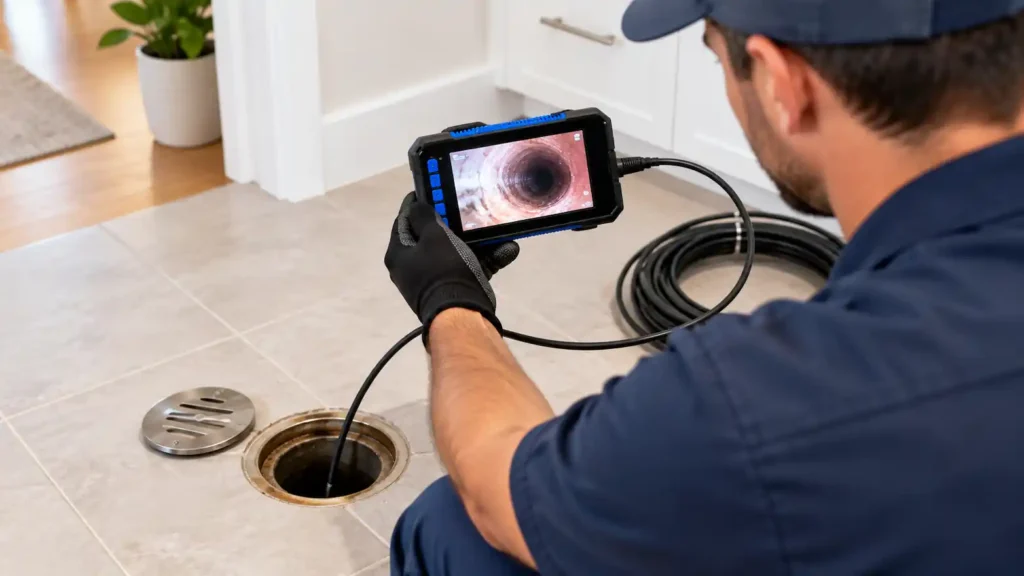
A camera inspection following a number of ‘how to unclog the sink’ incidents is what turns the pattern from a maintenance headache into a documented pipe condition with a specific service recommendation. Whether the correct course of action is hydro jetting, a targeted structural repair or both, that decision should be based on what the camera actually shows inside the pipe rather than on another clearing which is based on the same assumption as all the previous ones.
Making the Right Sink Service Decision for Your Austin Home
Every ‘how to unclog the sink’ scenario has a cause and the cleaning method that addresses that cause is the one that will give you a lasting result rather than just a temporary fix that leads to a call all over again. The pipe material, the age of the system, the type of drain usage you have on a day to day basis, the pattern of recurrence and whether or not other fixtures are involved all contribute to a far more accurate picture of what is actually causing the restriction than simply looking at the symptom at the point of the drain.
A first time soft clog in a line that has just been serviced with no prior history is quite a different proposition to a sink which has returned to restricted flow four times in the last 18 months in a line with no professional cleaning history. The first may be dealt with by a simple clear. The second requires a camera inspection to establish what’s actually on the wall of the pipe and a service to match what is found inside the line.
Contact EZ Hydro Jetting Austin to speak to our team and get an inspection first recommendation for your sink clog issue prior to committing to any service.