How to locate a sewer line is the question that precedes every accurate main line service recommendation. Without the answer, any scope estimate, cleaning approach, or repair recommendation is built on partial information, and partial information produces service calls that either miss the actual problem or create complications that a pre-service assessment would have prevented.
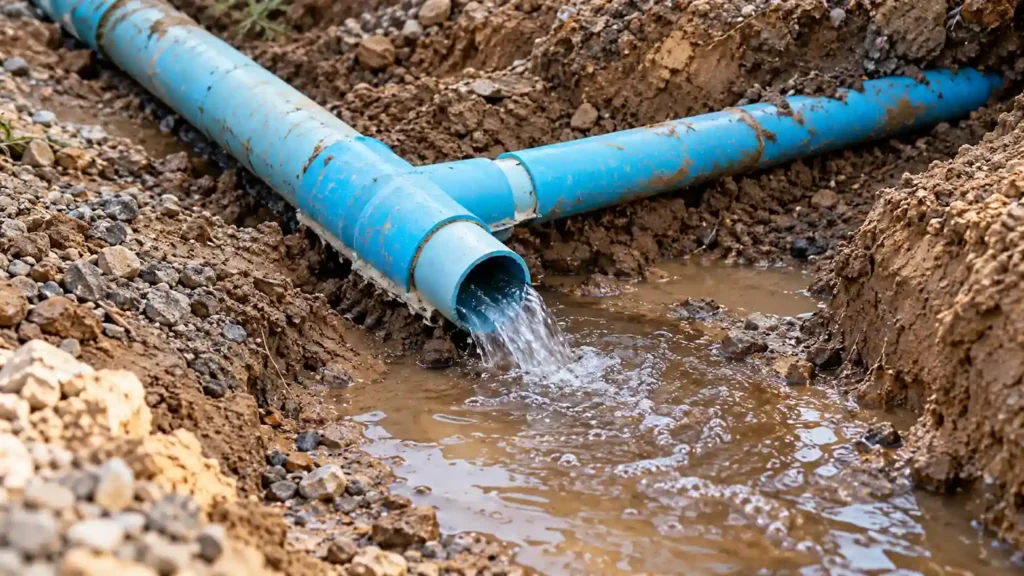
The sewer line is the main buried pipe handling combined wastewater flow from every connected drain and fixture in the building. When that line develops a restriction significant enough to affect system capacity, every connected fixture registers the change simultaneously. The kitchen drain slows, floor drains begin to gurgle after a toilet flush, and the lowest fixture in the building backs up before any other.
That systemic symptom pattern is the clearest signal that the problem is in the main line rather than in a branch drain, and understanding how to locate a sewer line is what makes it possible to address the actual source rather than its most visible expression.
At EZ Hydro Jetting Austin, confirming sewer line location is the first step in any main line service sequence. That confirmation, combined with camera inspection of the interior condition of the pipe, is what makes the cleaning or repair recommendation that follows specific to the actual situation rather than generic to the symptom category.
Why Sewer Line Location Determines What Service Is Possible
The physical path of the sewer line through a property determines where access is available, what equipment the technician needs to bring, how long the service will take, and whether any portion of the job requires excavation or fixture removal before camera or cleaning equipment can enter the line. A sewer line with accessible cleanout fittings at both the building end and the property boundary can be inspected and serviced without disturbing the yard or removing any fixture.
For Austin homeowners evaluating service providers for main line work, the question of how to locate a sewer line is also a useful screening question. A provider who asks about cleanout access, pipe material, and property age before scheduling a main line service is starting from the right information. One who quotes a main line service over the phone based solely on a symptom description is not accounting for the variables that determine what the job actually involves.
How to Locate a Sewer Line Through the Cleanout
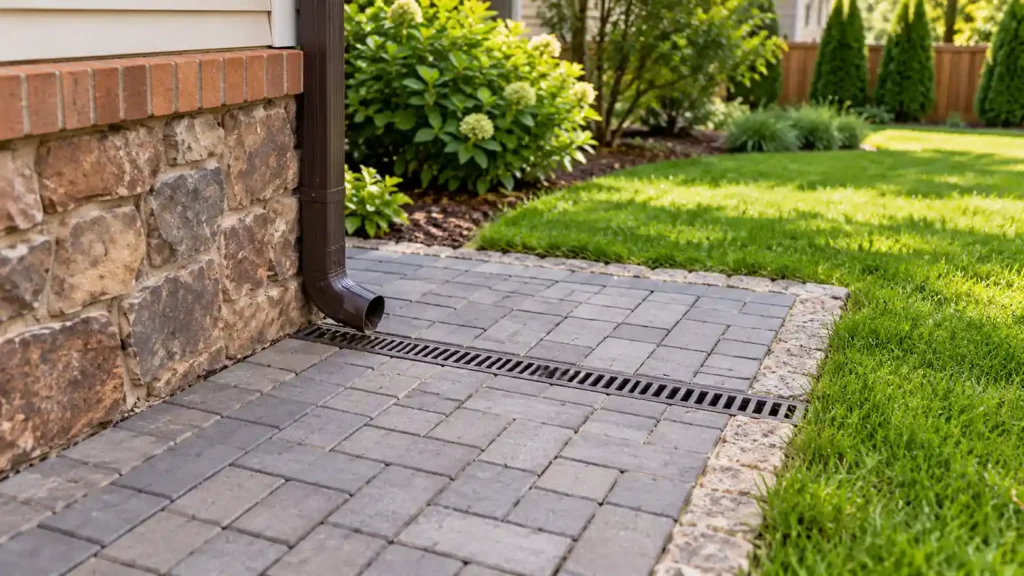
The cleanout is the most direct answer to how to locate a sewer line for any service purpose. It is a capped pipe fitting, typically three to four inches in diameter, installed at or near grade level to give service equipment direct access to the main sewer line. Finding it establishes the upstream entry point for camera and cleaning equipment and identifies the direction the sewer line exits the building, which is the reference point for tracing the full path through the yard toward the public sewer main.
Inside Austin homes, the cleanout most commonly sits near the base of the lowest toilet or utility connection, along the perimeter of the lowest interior space at a location that reflects the direction the main drain exits the slab. In newer slab-foundation properties, it often appears as a white PVC cap flush with or slightly above the finished floor near an exterior wall. In older properties with cast iron infrastructure, it typically appears as a threaded metal cap at or near grade level, sometimes near a floor drain in the utility area.
How to Locate a Sewer Line When the Cleanout Is Buried or Absent
A cleanout that does not appear during an interior and exterior walkthrough is one of three things: buried under accumulated soil and landscaping material, obscured by construction or renovation, or genuinely absent from the original installation. Each situation calls for a different approach before any main line service can proceed.
In Austin properties built before the early 1970s, the most common explanation for a non-visible cleanout is burial. Original fittings installed at grade level have been covered by years of soil amendment, mulch, and replanting that raised the surrounding surface above the cap. A fitting at the 1965 grade may now sit a foot or more below the surface in a yard that has received consistent horticultural attention since the home was built.
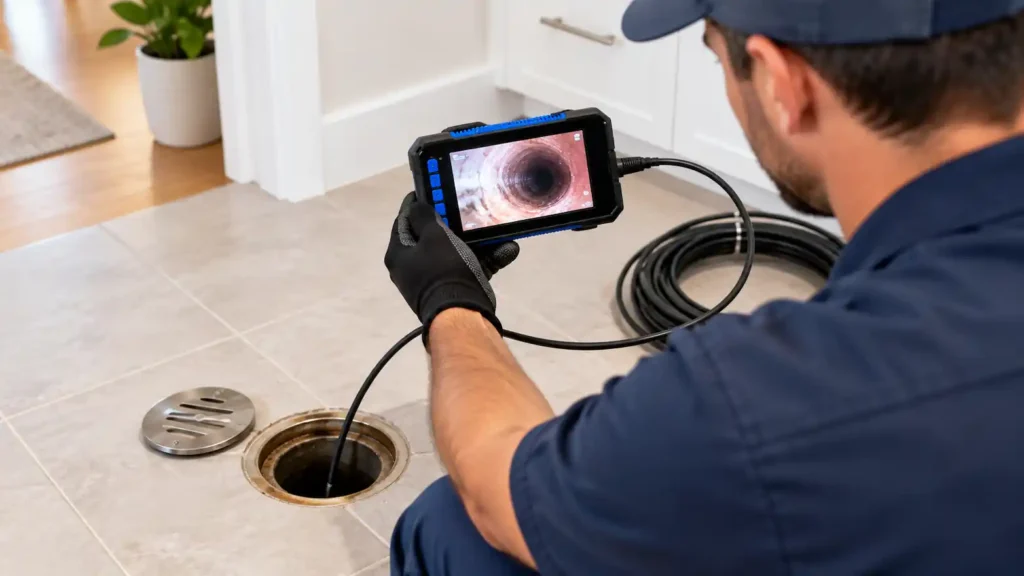
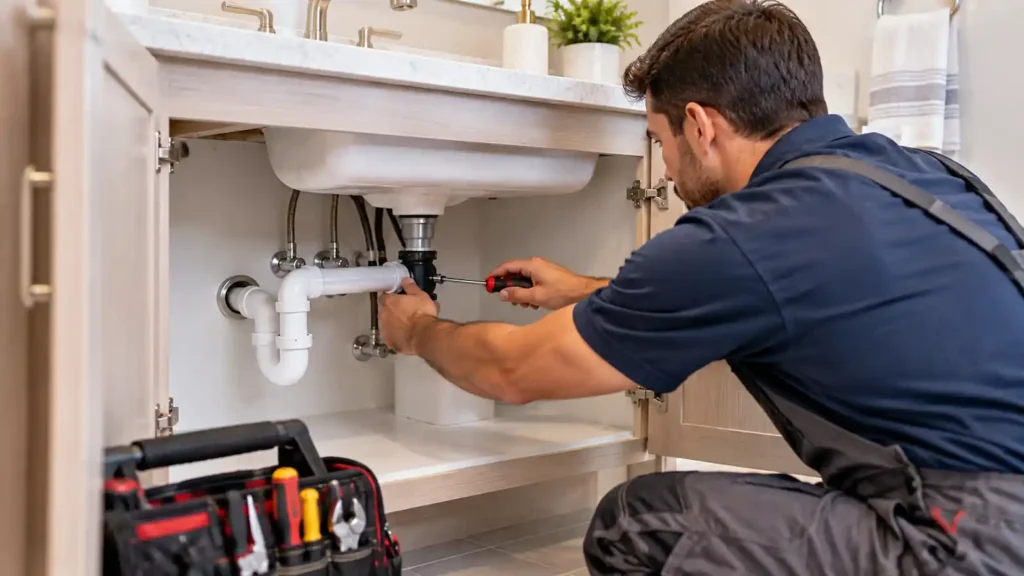
When probing and detection both fail to locate a fitting, removing a toilet and inserting a camera through the floor connection is the approach that simultaneously answers how to locate a sewer line and performs the pre-service inspection in a single operation. The camera maps the line path from inside, documents interior condition at every point along the run, confirms joint positions and pipe material changes, and identifies whether any cleanout exists further along the line toward the property boundary.
What Camera Inspection Adds to the Answer of How to Locate a Sewer Line
Camera inspection transforms how to locate a sewer line from a surface mapping exercise into a documented service picture of the pipe itself. As the camera maps the line’s path through the property, it simultaneously records pipe material at every section, wall condition across the full interior surface, joint integrity at every connection point, the location and density of any restriction, and any structural condition that should change what cleaning approach is applied to the line.
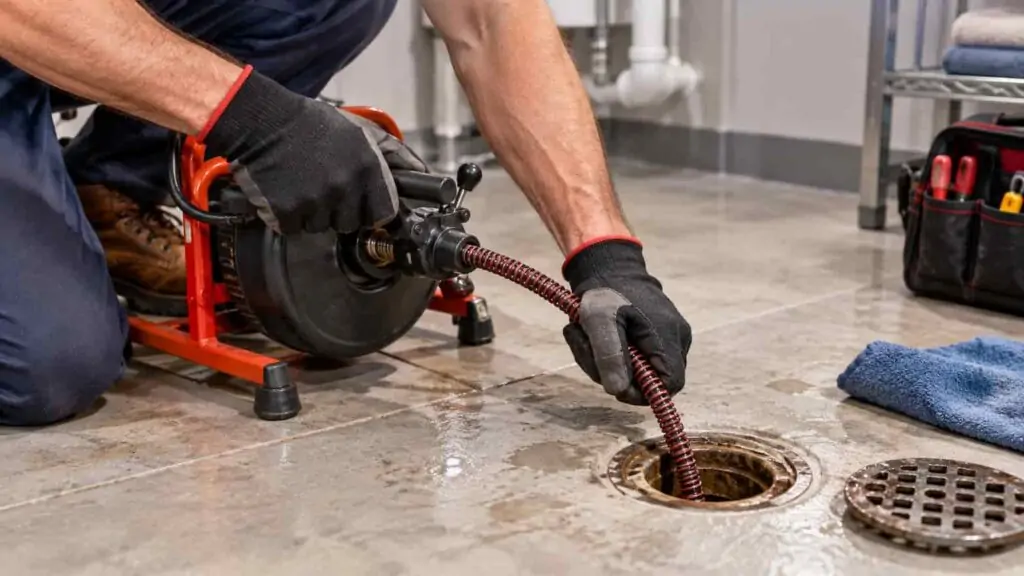
The post-cleaning camera documents what the service accomplished rather than leaving the result to assumption. Our main line hydro jetting service includes camera inspection before any high-pressure cleaning begins because the cleaning configuration that fits a specific pipe follows from what the camera documents, not from the category of symptom that prompted the service call.
Tracing the Full Sewer Line Path From Building to Street
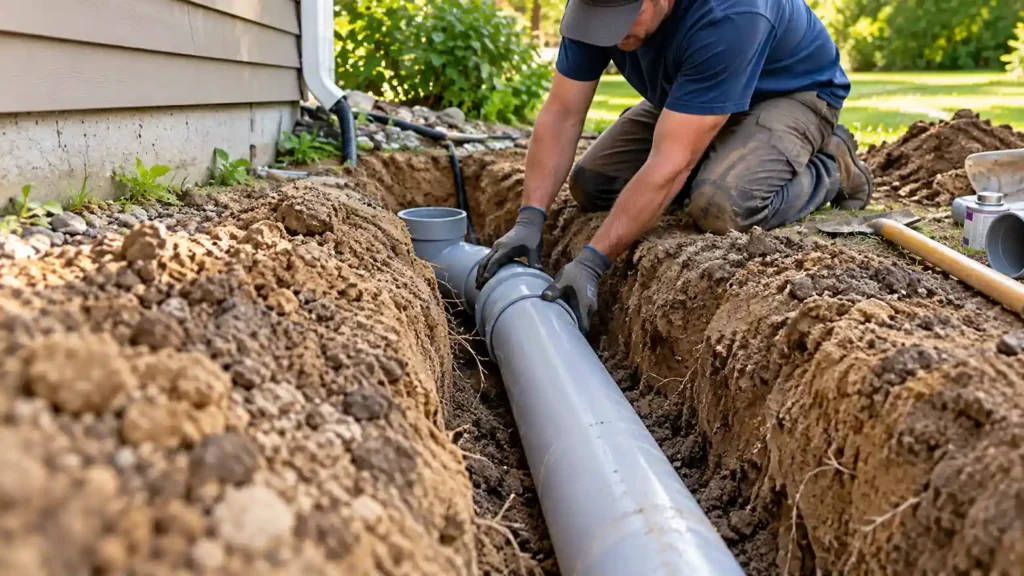
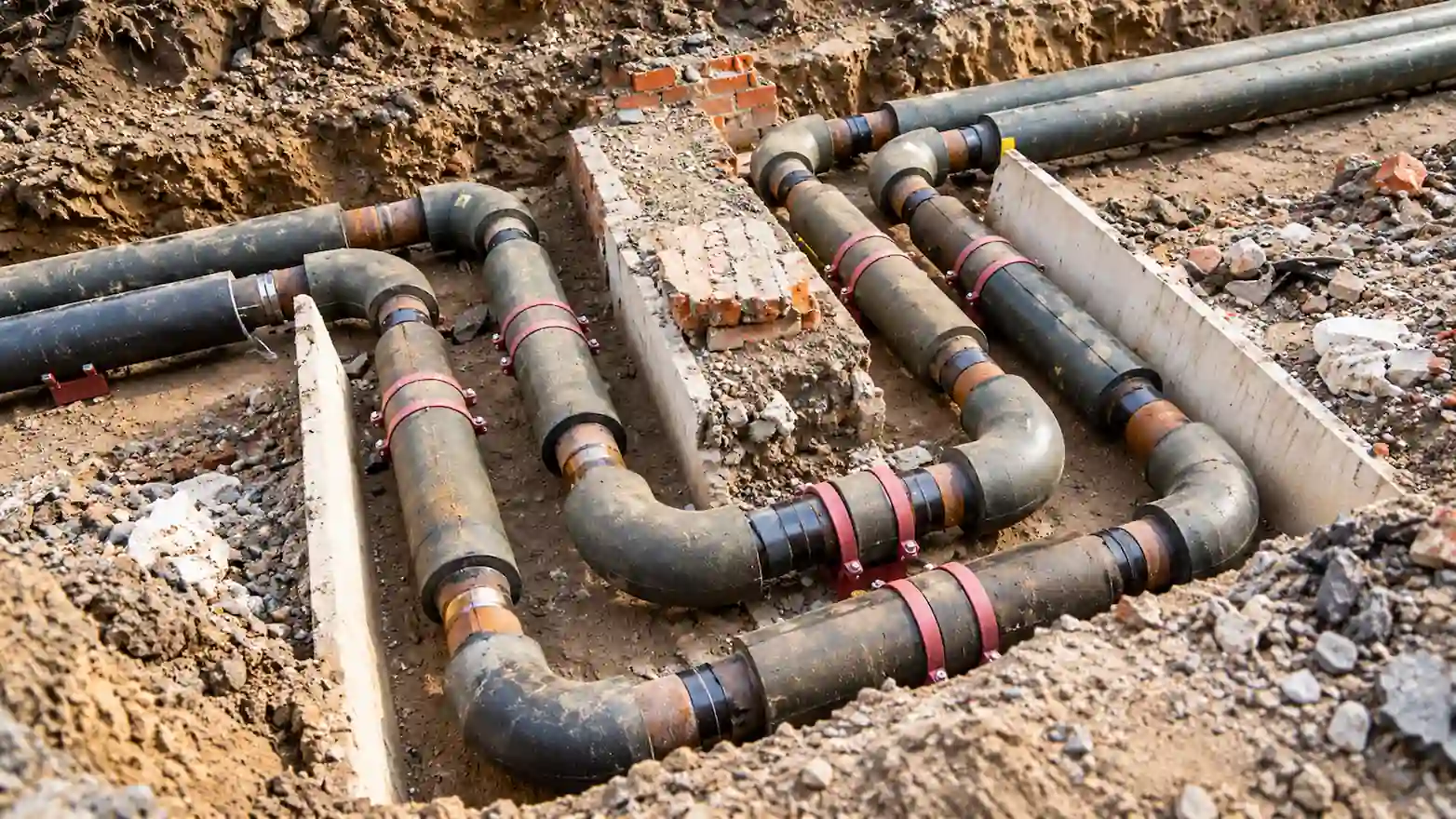
Tracing the sewer line path from the building to the street begins with the direction the pipe exits the foundation and follows the grade of the property toward the lowest point. Most Austin residential sewer lines run on a direct or near-direct path from the building to the nearest public main beneath the street or the alley at the rear of the lot. The minimum installation grade required for self-cleaning flow means the pipe follows the natural downward slope of the property, and that topographic relationship is a useful starting reference before any probing begins.
Knowing the complete sewer line path across the property has value beyond the immediate service call. Any future yard project, whether irrigation installation, fence post setting, deck construction, or tree removal near the foundation area, creates potential for accidental pipe contact. Understanding how to locate a sewer line before those projects begin is what prevents an unplanned pipe strike from converting a scheduled improvement into an emergency repair.
What Austin Main Sewer Lines Accumulate Before How to Locate a Sewer Line Becomes Urgent
Grease from the combined cooking and cleaning output of the full household is the most consistently confirmed accumulation inside Austin main sewer lines that have not been professionally cleaned in several years. It deposits on the pipe wall more slowly than in a dedicated kitchen branch line, covers a longer section of the interior, and reflects the complete period of household use since the last cleaning that reached the wall surface.
Mineral scale from Central Texas hard water builds on that grease layer and compounds the restriction by roughening the interior surface in a way that accelerates the collection of organic material from normal daily drain use. That combined profile, grease alongside scale, is what camera inspection confirms most often inside Austin main lines with no professional cleaning history, and it requires cleaning at settings calibrated to both materials simultaneously.
Root infiltration from established plantings near the sewer corridor adds a third condition in older Austin properties where mature vegetation has grown alongside aging pipe infrastructure for decades. Understanding how to locate a sewer line in those properties and establishing the line path relative to existing vegetation is part of the pre-inspection assessment that makes the camera findings less surprising and the service recommendation more specific.
Making the Right Main Line Decision Before the Next Backup Forces It
Every Austin property has a sewer line with a specific location, a specific material composition, and a specific internal condition that reflects the age of the infrastructure, the local water chemistry, the surrounding landscape, and the maintenance history behind the property. Understanding how to locate a sewer line is the beginning of a diagnostic sequence, not the end of one.
The complete sequence, locating the cleanout, establishing the line path, completing a camera inspection, and reviewing what the inspection documents before approving any scope of work, is what produces a service recommendation specific to the actual pipe rather than to the symptom category that brought the service call.
That specificity is what makes the difference between a main line service that holds on the expected interval and one that requires a follow-up call within the same season because the underlying condition was never fully documented before the cleaning began.
Contact EZ Hydro Jetting Austin to request a free quote and get a professional evaluation of the condition of your sewer line before committing to any service.