Deciding when to call a plumber for a clogged sink situation does not require waiting until the drain stops working entirely. The pattern of how the problem developed tells a more accurate story than the severity at any single moment, and reading that pattern correctly changes what the right response is before any service is scheduled.
A drain that slowed gradually over several weeks, returned to restricted flow two months after being cleared, or stopped responding to the same solutions that worked before is past the point where surface-level approaches address the actual cause. A drain that appeared slow for the first time yesterday after an unusual event has a different story and a different threshold. The distinction between those two situations is what determines when to call a plumber for a clogged sink concern versus when monitoring for a few days is a reasonable first step.
At EZ Hydro Jetting Austin, the first question in any clogged sink situation is not which method to use. It is what the pattern of the problem is and what that pattern points to inside the pipe. That starting point shapes the recommendation in a way that a default cleaning method applied to the symptom cannot.
When to Call a Plumber for a Clogged Sink: A Decision Framework
| Symptom Pattern | Monitor First | Call a Plumber Now |
| Single slow drain, first occurrence | Yes | Not necessarily |
| Clog returned after previous clearing | No | Yes |
| Multiple fixtures slow simultaneously | No | Yes |
| Plunger or drain cleaner failed | No | Yes |
| Gurgling from other fixtures after flushing | No | Yes |
| Backup in lowest fixture in the building | No | Yes |
| Clog in older home with cast iron pipes | No | Yes |
| Sewer smell alongside the slow drain | No | Yes |
This framework addresses when to call a plumber for a clogged sink situation without needing a professional on-site to make the initial determination. Any pattern in the right column points toward a cause that sits inside the line at a depth or density that surface cleaning methods do not reach. The left column describes situations where the clog may be fresh, localized, and soft enough that a brief observation period before scheduling service is reasonable.
The threshold is practical. Once the clog has returned after being cleared, once more than one fixture is involved, or once the line carries significant daily use with no professional cleaning history behind it, the cause is almost certainly past what any DIY approach addresses consistently.
Professional Clogged Sink Assessment: The Sequence That Changes the Recommendation
A professional clogged sink assessment opens with the history of the problem rather than an immediate cleaning recommendation. How long has the drain been slow? Has this specific clog returned after a previous service? Are other fixtures in the house showing similar behavior at the same time? What does the affected drain handle in normal daily use? Those questions establish the pattern and point toward the most likely cause before any equipment approaches the line.
Camera inspection follows when the history indicates a cause deeper than the fixture level. An HD camera run through the drain line shows pipe material, interior wall condition, the location and density of the restriction, and any structural issue that should affect how cleaning is performed or whether a specific method is safe for the pipe. For Austin homeowners who have already been through multiple service calls on the same drain, that visual step is what explains why previous clearings did not produce lasting results.
For properties in established Austin neighborhoods with original cast iron or clay tile drain lines, camera inspection before any cleaning is the step that protects the pipe from a method it cannot support. A line with significant wall loss, cracked joints, or structural displacement requires a different sequence than a healthy PVC line with a fresh grease accumulation. The camera confirms which situation applies before any pressure enters the pipe.
Clogged Sink Solutions: Three Methods and When Each Fits
| Factor | Snaking | Hydro Jetting | Camera Inspection First |
| Removes pipe wall buildup | No | Yes | Determines which applies |
| Clears soft blockages | Yes | Yes | Identifies cause before acting |
| Addresses grease accumulation | Partially | Yes | Confirms presence and depth |
| Handles mineral scale | No | Yes | Identifies composition |
| Prevents recurring clogs | Limited | Strong | Enables the correct method |
| Safe for older pipes | Generally | Depends on condition | Confirms pipe condition |
| Appropriate for main line | Basic | Full-diameter clean | Identifies correct scope |
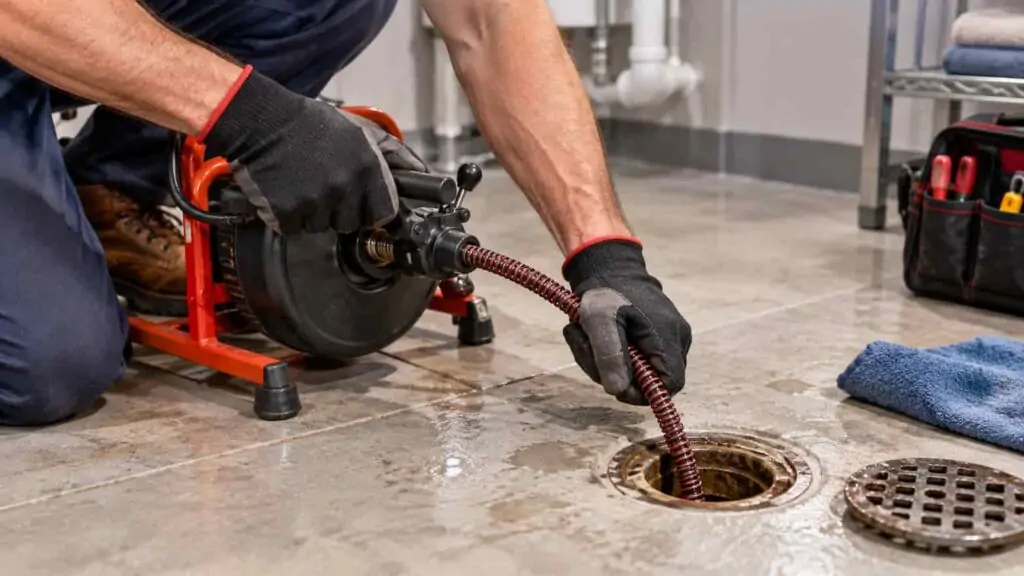
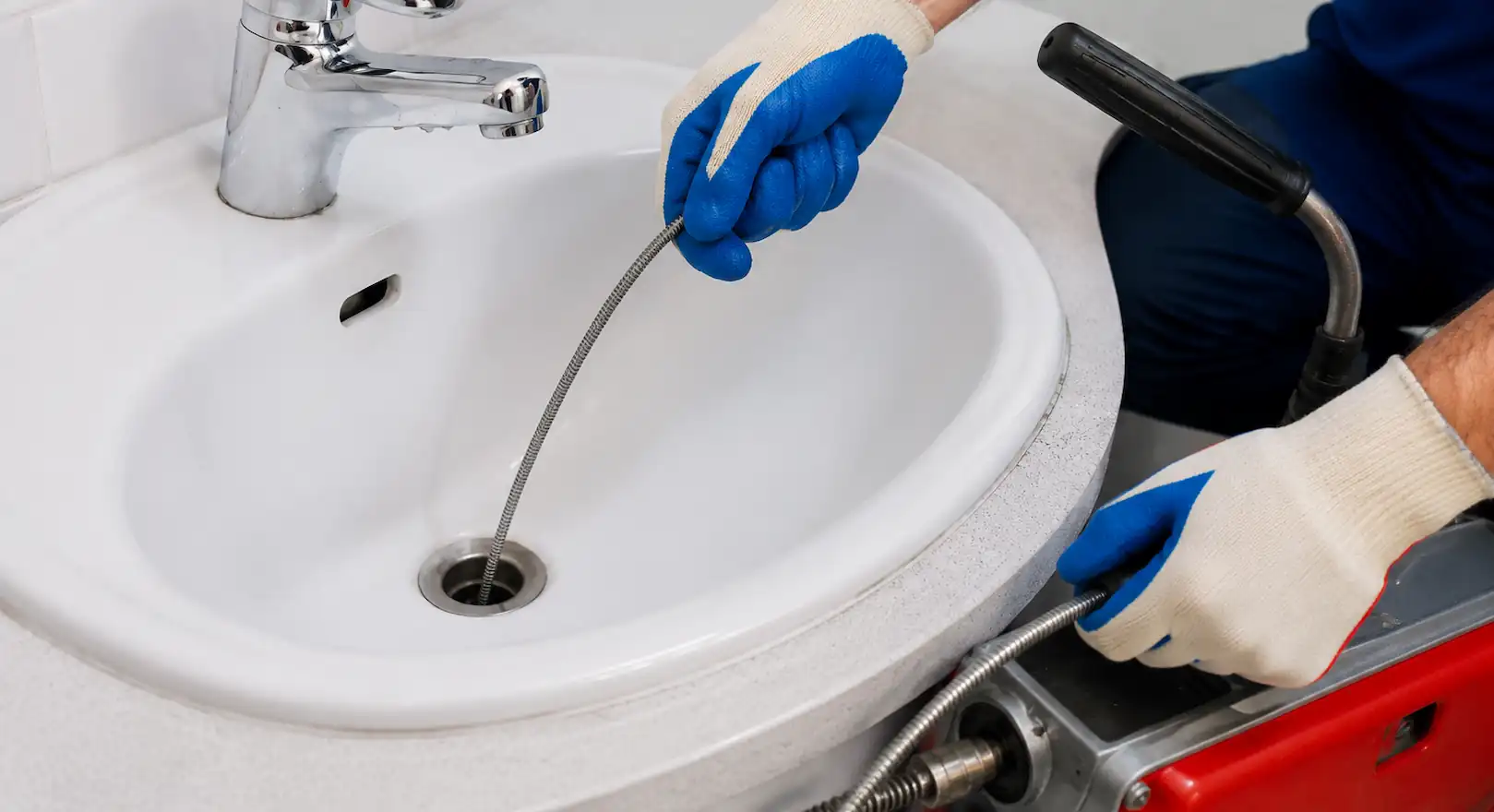
Snaking clears the soft center of a clogged sink blockage without touching the layer bonded to the pipe wall. For a fresh, localized soft blockage with no recurrence history, that may be sufficient. When to call a plumber for a clogged sink that has returned after previous clearings, snaking opens the same temporary passage through the same underlying restriction and produces the same temporary result.
When to Call a Plumber for a Clogged Sink Situations in Austin Kitchens
A kitchen clogged sink that has been cleared once and returned within a few months has shown its pattern clearly. The opening created by snaking closed again as the surrounding grease layer continued narrowing the interior of the pipe from where the previous service left off. Each subsequent clearing starts from a thicker base, and the interval between restrictions shortens each time because the starting accumulation is heavier than it was before the last service call.
Knowing when to call a plumber for a clogged sink situation in a kitchen line means recognizing when that shortening interval has replaced the normal service cycle. A kitchen drain that holds up for a year or more between professional cleanings is performing within a reasonable range. One that needs clearing every six to eight weeks is in an accumulation cycle that standard snaking is maintaining rather than breaking.
High-pressure jetting with a nozzle configured for grease removal shears the layer from the wall surface and carries the material out of the system entirely rather than redistributing it further down the line. Our residential hydro jetting service addresses kitchen drain wall-layer accumulation with high-pressure cleaning calibrated to the pipe condition confirmed by camera before the service begins.
When to Call a Plumber for a Clogged Sink: Bathroom Drains and Recurring Patterns
A bathroom clogged sink that returns on a two-to-three-week cycle after each clearing is running the same accumulation pattern as a kitchen grease clog, just from different materials and at a shallower depth. Each clearing removes the hair mass and surface soap film at the opening without addressing the residue layer coating the interior of the branch drain beneath it. That residue is what the next hair accumulation bonds to, and the interval between restrictions stays short because the surface that drives accumulation was never cleaned.
Knowing when to call a plumber for a clogged sink situation in a bathroom line that keeps returning follows the same threshold as a kitchen drain: once the clog has returned after being cleared and the interval is shortening rather than lengthening, the wall layer is the cause and a surface clearing is not the solution. Camera inspection before a professional clean confirms the composition of the accumulation and guides the correct nozzle selection and cleaning approach for what is actually bonded to the pipe surface.
When to Call a Plumber for a Clogged Sink: Main Line Signals
A clogged sink that registers alongside slow drains or gurgling sounds in other fixtures is not a single fixture problem. The main sewer line carries combined flow from every connection in the house, and a restriction in that line affects all of them simultaneously. A kitchen sink running slow on the same day the floor drain in the utility room holds water and the lowest bathroom fixture backs up intermittently are three expressions of one main line restriction, not three separate clogs requiring three separate calls.
Knowing when to call a plumber for a clogged sink situations that involve the main line means connecting those separate symptoms to their shared source before scheduling a service that addresses only one of them. A service call that clears the kitchen sink without examining the main line improves flow at one fixture temporarily while leaving the source of the restriction intact and running the same accumulation cycle through every other connected fixture.
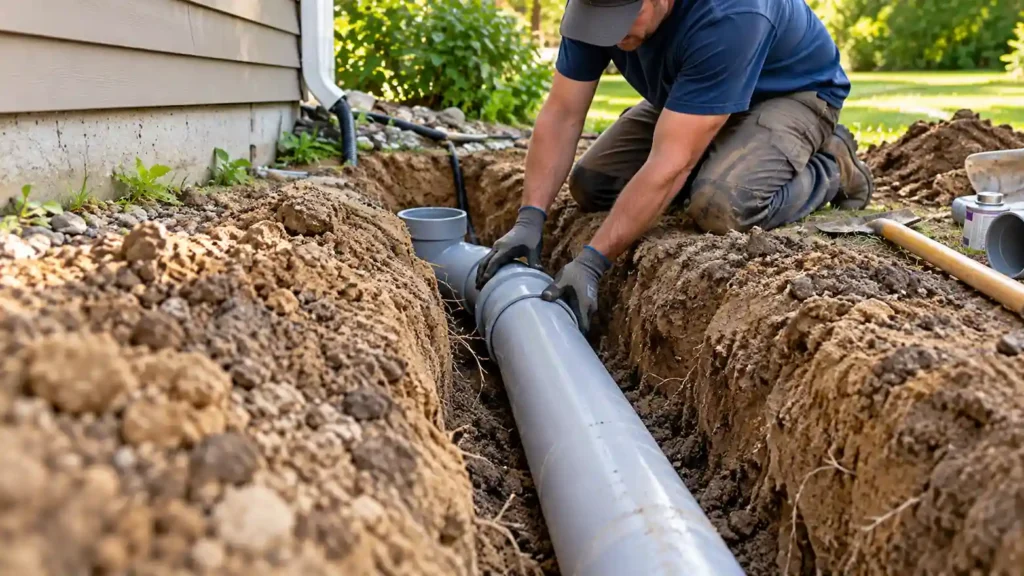
Root intrusion in Austin main sewer lines produces that multi-fixture pattern more consistently than any other single cause. Mature live oaks, cedar elms, and pecans near the sewer corridor enter pipe joints through cracked or deteriorating connections and create partial restrictions that handle daily flow at reduced capacity until a heavier-use period or a storm pushes the line past the threshold.
Making the Right Call for Your Austin Clogged Sink
Every clogged sink situation has a specific cause, and knowing when to call a plumber for a clogged sink concern is the first accurate step toward identifying it. The fixture type, the daily use it handles, the age and material of the pipe, the recurrence pattern, and whether other drains in the house are involved together point toward the actual source of the restriction more reliably than the symptom at the drain opening.
A first-time slow drain in a recently serviced line with no prior history is worth monitoring before scheduling a professional call. A drain that has returned to restricted flow after being cleared, that involves more than one fixture, or that serves a line with no professional cleaning history behind it is past the threshold where observation is the right next step. The cause is inside the pipe at a depth or density that the right professional service reaches, and surface cleaning does not.
Contact EZ Hydro Jetting Austin to talk with our team about your clogged sink and schedule the service that matches the actual condition of the drain before committing to any cleaning approach.