Knowing how to find the main drain in your house is the starting point for any serious drain service decision. The main drain is the single pipe that collects the combined flow from every fixture in the building, kitchen lines, bathroom drains, utility connections, and floor drains, and carries it out to the municipal sewer system. When that line has a restriction, every fixture connected to it is affected.
Knowing how to find the main drain in your house before that situation occurs means you can provide relevant location information to a service provider, understand what access points are available, and make a more informed decision about the scope of work being recommended.
At EZ Hydro Jetting Austin, we work from the main drain outward rather than from individual fixtures inward. When a homeowner knows how to find the main drain in your house and can communicate its location and access points clearly, the diagnostic process moves faster, and the service recommendation is more accurate from the first conversation.
How to Find the Main Drain in Your House: Room by Room
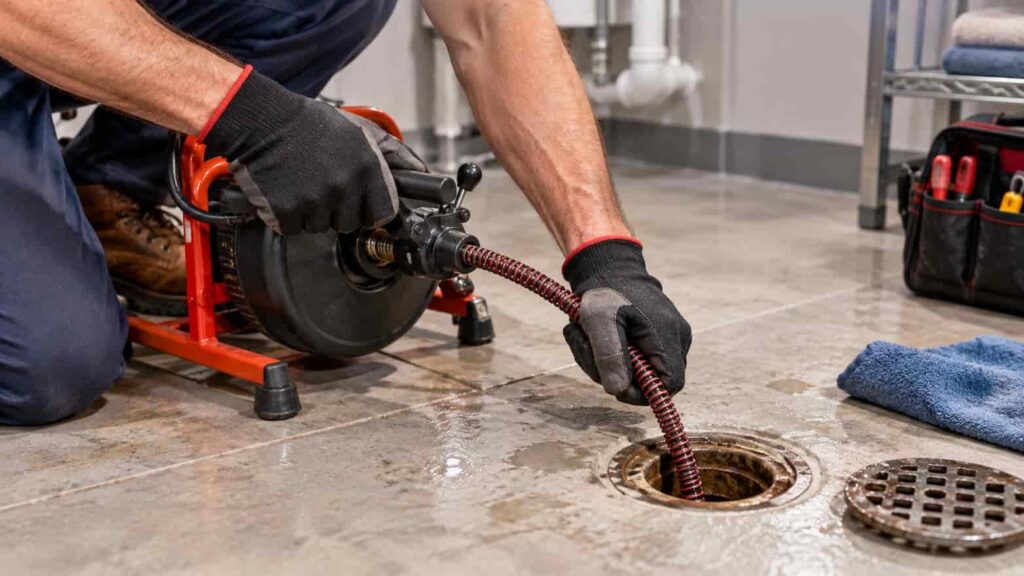
Starting from the lowest level of the house is the most reliable approach for how to find the main drain in your house. In a single-story slab home, look along the interior walls near the bathroom or utility room for a capped pipe fitting at or near floor level. That fitting is almost always the cleanout for the main drain, and its position relative to the fixtures nearby indicates the direction the main line runs beneath the slab.
In two-story homes, the main drain typically consolidates flow from upper-level bathrooms through a vertical stack that drops to the lower level before transitioning to the horizontal main line. That vertical stack is often visible inside a utility closet, behind a wall access panel, or in a basement or crawl space if one exists. Tracing the stack downward leads to the horizontal main line and the cleanout access point.
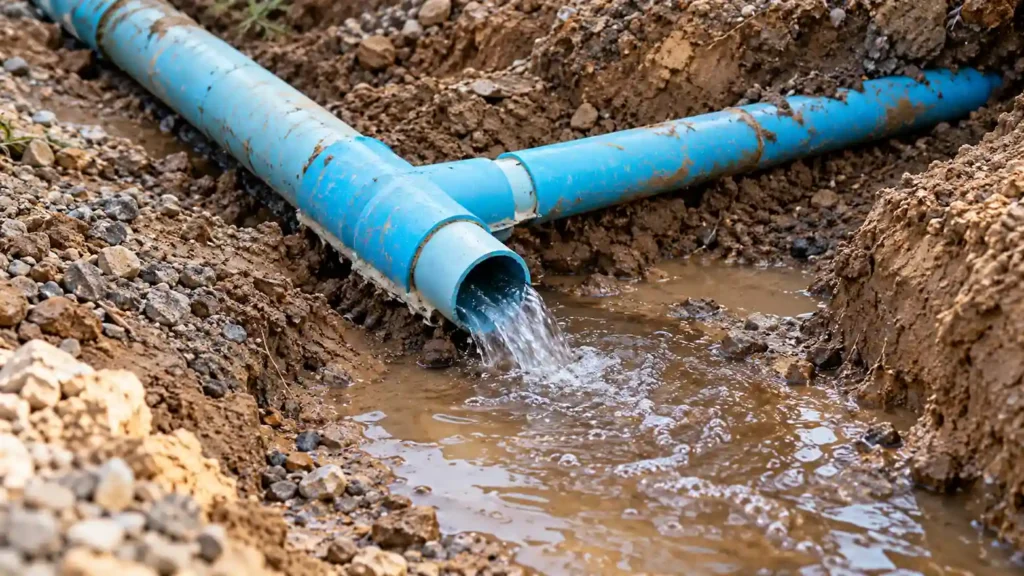
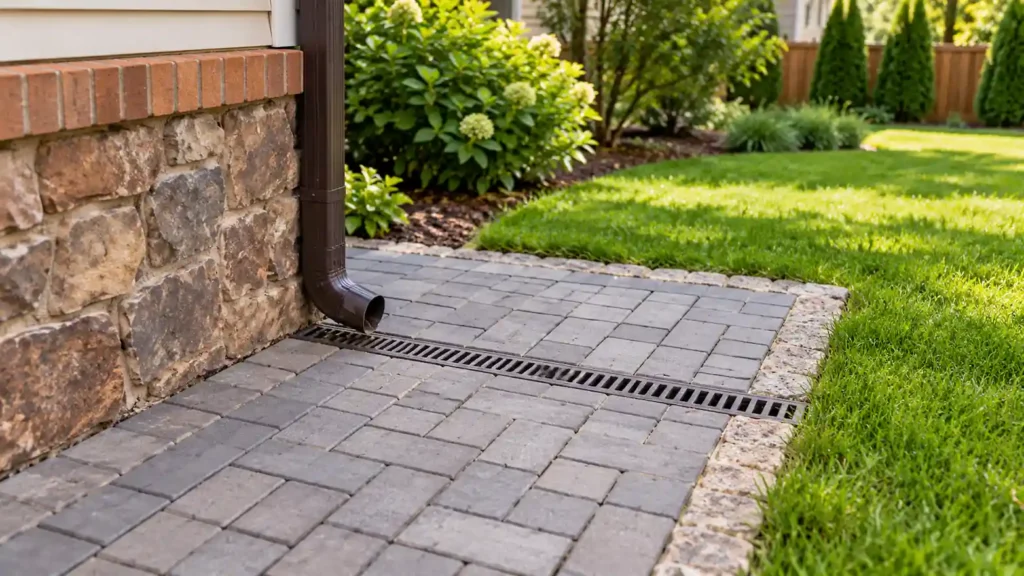
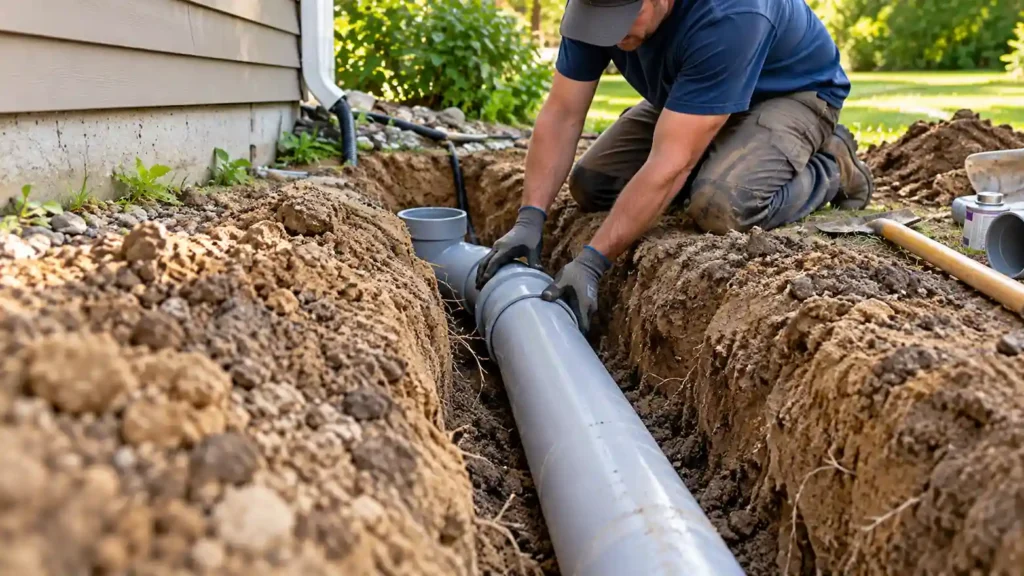
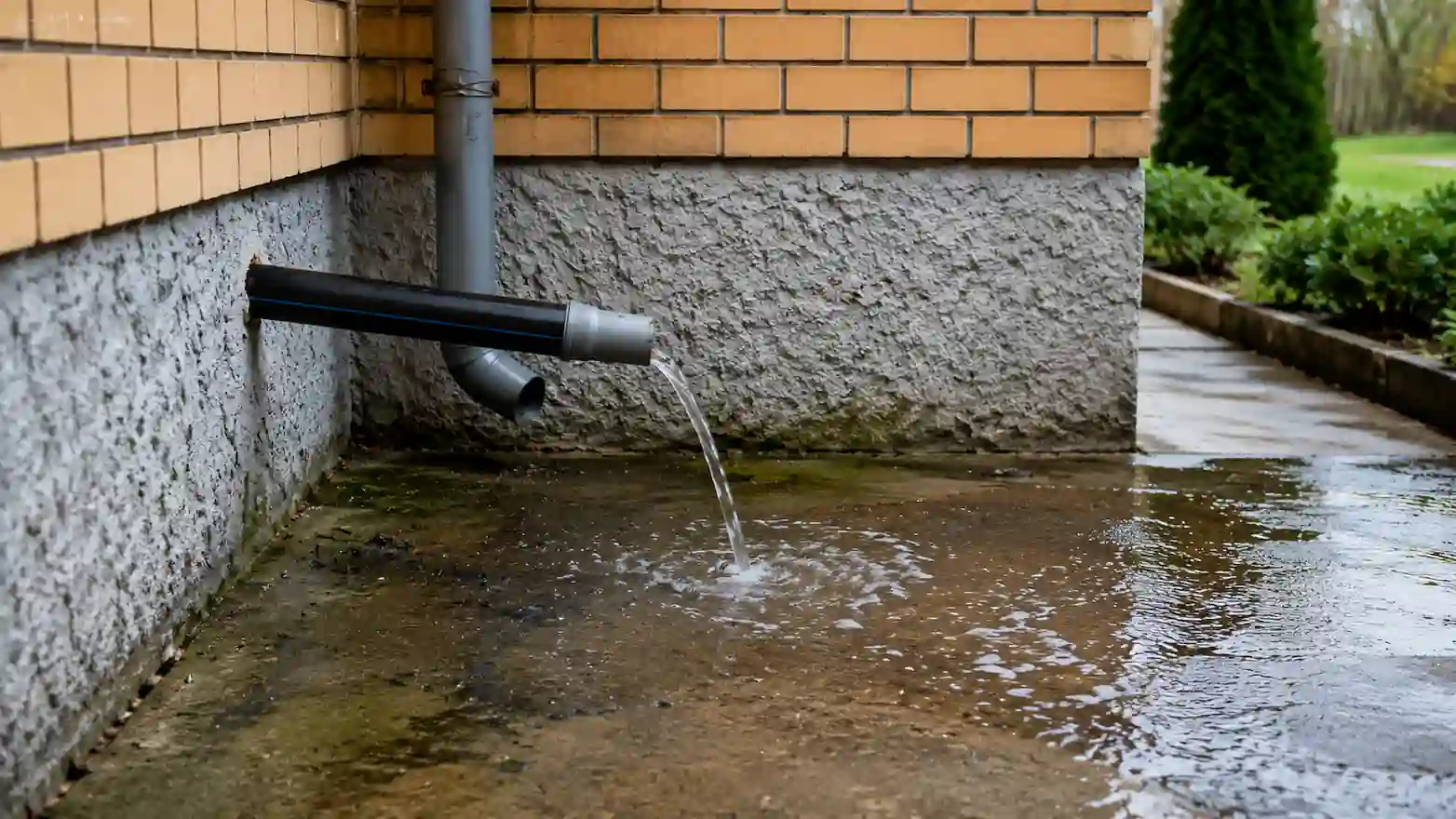
Outside the house, a secondary cleanout is often located along the foundation line or in the yard between the house and the street. Municipal sewer systems in Austin typically require a cleanout at or near the property boundary, and that exterior cleanout marks the downstream end of the property’s main drain before it connects to the public sewer lateral. Locating both the interior and exterior cleanout gives a complete picture of the main drain’s path through the property.
What the Main Drain Condition Reveals About the Whole System
Understanding how to find the main drain in your house is only the first step. What matters for drain service decisions is what the interior of that line looks like, because the condition of the main drain determines whether the whole system can flow at full capacity or whether every fixture connected to it is operating under restriction.
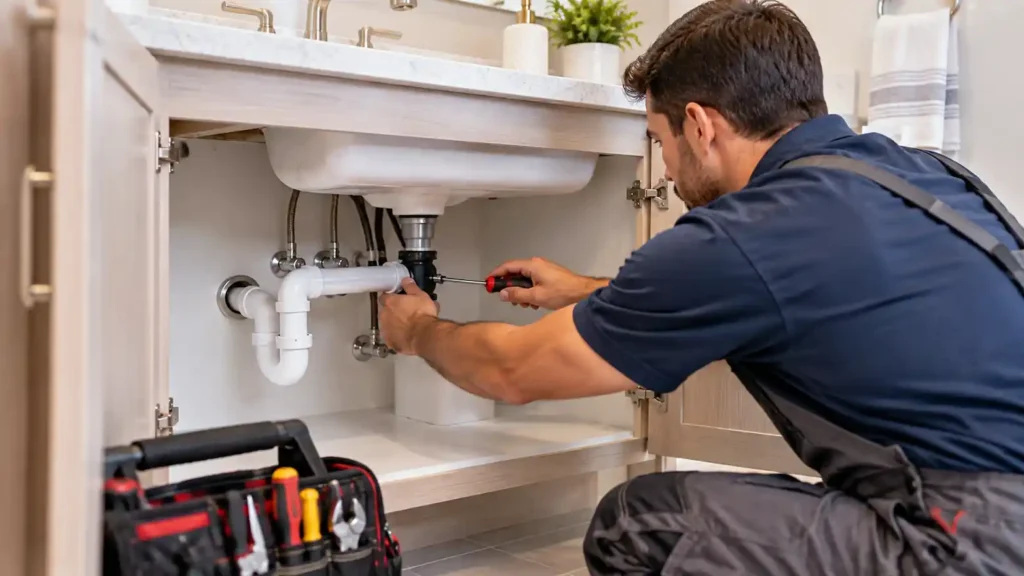
The symptoms of main drain restriction are different from the symptoms of a localized fixture clog. A single slow kitchen sink points to a branch drain issue. Multiple fixtures in different areas of the house running slow at the same time, gurgling sounds from floor drains after flushing a toilet, or recurring backups in the lowest fixture in the building all point to the main drain rather than to any individual branch.
In Austin properties with older infrastructure, main drain condition often reflects decades of accumulation that no standard cleaning method has reached. Knowing how to find the main drain in your house and understanding what its condition might look like given the age of the property changes how a drain service conversation starts and what questions are worth asking before any work begins.
Camera Inspection: What It Confirms About the Main Drain
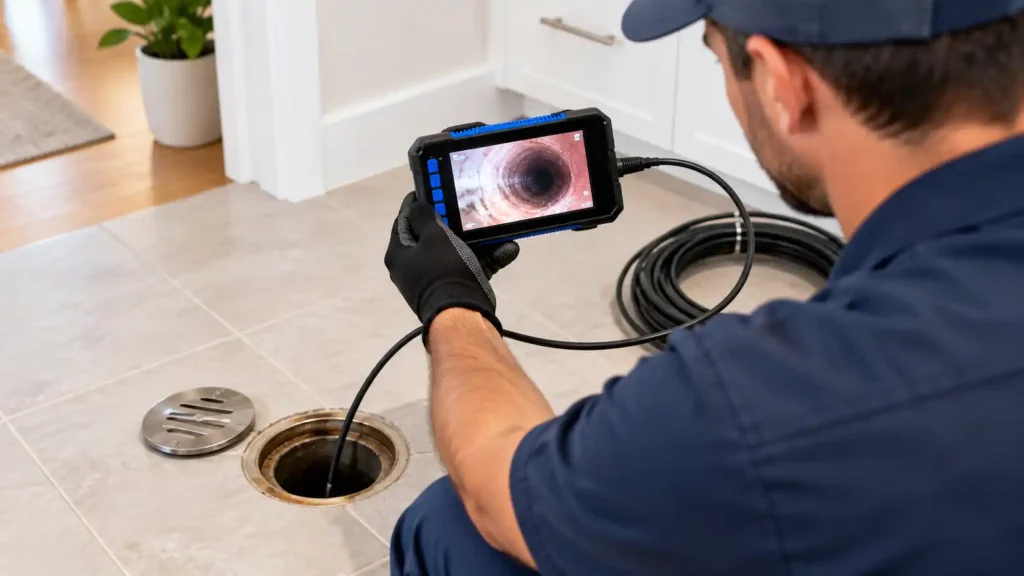
A camera inspection is the only reliable way to confirm the actual condition of the main drain after locating it. Visual access to the cleanout shows the opening of the pipe but nothing about the interior wall condition, the density of any accumulation, the presence of root intrusion, the integrity of pipe joints, or whether any section has structural damage that affects how the line should be cleaned. The camera provides that picture from the inside.
For Austin homeowners who have learned how to find the main drain in your house and are experiencing recurring drain problems, camera inspection before any cleaning service is the step that explains why previous service calls did not produce lasting results. A main drain that has been snaked multiple times without improvement almost always has a wall-layer condition that snaking cannot address, and the camera shows exactly what that layer consists of and where the most significant restriction sits.
The post-cleaning camera pass carries equal value. It confirms what the service removed, identifies anything that the cleaning alone did not fully resolve, and creates a documented record of main drain condition that supports future maintenance scheduling. Our HD camera inspection service is available as a standalone evaluation for Austin homeowners who want to understand the condition of their main drain before committing to any cleaning service.
What Blocks a Main Drain in Austin Residential Properties
Root intrusion is the most frequently confirmed cause of main drain restriction in Austin residential properties, particularly in established neighborhoods with mature tree canopy. Live oaks, cedar elms, and pecans send root systems toward moisture through cracked joints and deteriorating pipe connections. A homeowner who knows how to find the main drain in your house but notices recurring backups across multiple fixtures is dealing with a root intrusion pattern far more often than a grease-only restriction at the main line level.
Grease accumulation in the main drain develops differently than in a kitchen branch drain. Main line grease comes from the combined output of every cooking and cleaning use in the house, accumulates more slowly than in a high-output kitchen branch, but covers more of the pipe wall over time.
Mineral scale from Central Texas water chemistry adds a third accumulation layer to main drains in Austin properties. Calcium and magnesium deposits from the local water supply coat interior pipe walls in the main drain as consistently as in any branch drain, and the combined effect of scale alongside grease and root material creates a restriction profile that requires high-pressure jetting matched to the specific composition of what is inside the line.
How to Find the Main Drain in Your House Before Scheduling a Service Call
Having clear information about how to find the main drain in your house before calling a drain service changes the quality of the first conversation. A service provider who knows the cleanout location, whether it is interior or exterior, and whether it is accessible without excavation can give a more accurate scope estimate and bring the right equipment to the job without a preliminary site visit.
The practical steps for locating the main drain before a service call follow a consistent sequence for most Austin residential properties. Start at the lowest toilet in the house and trace the drain line direction from the base of the fixture. Follow that direction to the nearest wall and look for a capped fitting at or near floor level. If no interior cleanout is visible, move outside along the same wall and look for a capped pipe fitting at grade level along the foundation or in the yard between the house and the street.
Austin Main Line Hydro Jetting: When the Main Drain Needs Professional Cleaning
A main drain that has been located, accessed, and inspected with a camera is ready for a cleaning recommendation based on what the inspection actually found. For Austin residential properties where root intrusion, grease accumulation, or mineral scale is confirmed inside the main line, high-pressure hydro jetting is the cleaning method that addresses the wall layer rather than the center of the pipe.
Snaking a main drain opens a channel through the soft center of a restriction without removing what is coating the pipe wall. That channel closes again as the surrounding accumulation continues narrowing the interior diameter, and the interval between backups shortens each time because the starting layer is thicker than it was before the previous service. Hydro jetting removes the wall layer entirely and resets the flow capacity of the line rather than reopening a temporary passage through it.
How to Find the Main Drain in Your House: What to Do With That Information
Locating the main drain is useful information on its own, but it becomes actionable when paired with an understanding of what the line’s condition might be given the age of the property, the history of drain problems, and the pattern of symptoms across fixtures. A homeowner who knows how to find the main drain in your house and can describe the symptom pattern accurately gives a drain specialist the starting information needed to determine whether camera inspection, hydro jetting, or a structural repair is the most appropriate next step.
For Austin homeowners who have not had a professional drain evaluation in several years, locating the main drain cleanout and scheduling a camera inspection before any symptoms appear is the most predictable maintenance approach.
Contact EZ Hydro Jetting Austin to book a drain evaluation and get a professional assessment of the condition behind your main drain before the next backup or restriction becomes a more disruptive problem.