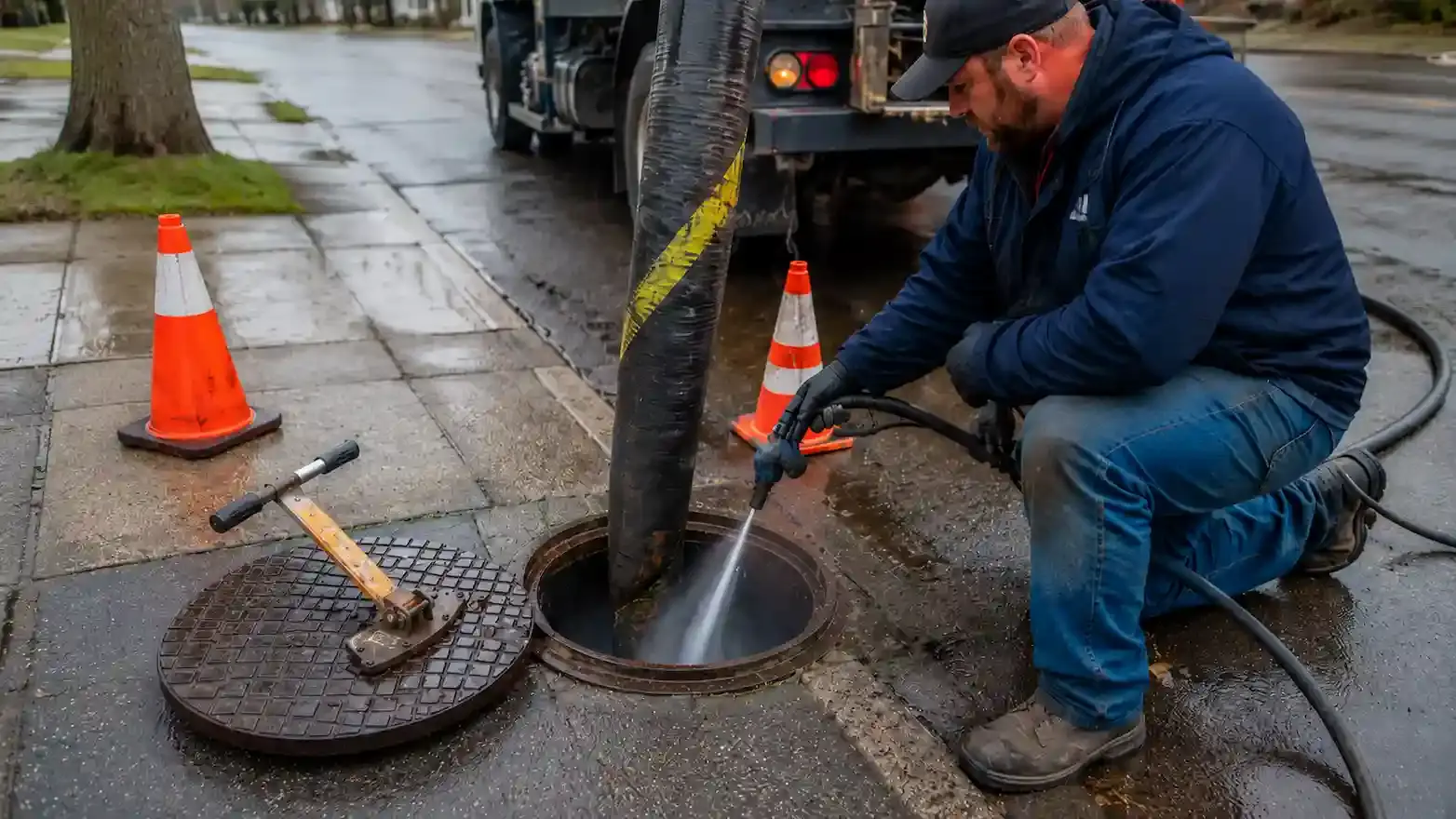
Somebody typing line jetting into a search bar usually already knows the basics, pressurized water instead of a cable, and what they’re actually trying to figure out is whether their situation, a kitchen line that backs up every other week or a main sewer line acting up whenever it rains hard, genuinely calls for that level of service. The terminology matters less than the fit.
That fit is really the whole question. Line jetting isn’t the automatic answer for every clog that shows up. A single, isolated blockage usually clears fine with basic mechanical clearing. Repeat backups, heavier buildup, or a line serving a property running well above typical daily use tend to be where jetting actually justifies its cost over a faster, cheaper alternative.
At EZ Hydro Jetting Austin, we walk people through what line jetting genuinely involves before ever recommending it, since that decision ought to come from what the pipe is actually showing rather than whatever equipment happens to be loaded on the truck that morning. Knowing the process itself helps homeowners and business owners understand exactly what they’re paying for.
Walking Through A Typical Line Jetting Appointment
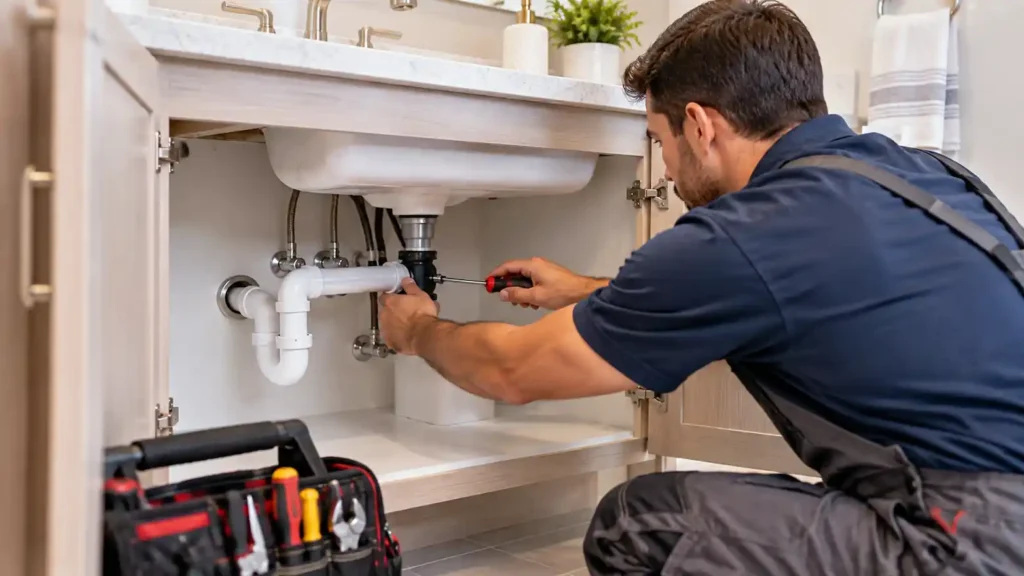
A line jetting visit usually opens with questions rather than equipment. Which drains are giving trouble, how long has this been going on, has this particular line ever been serviced before, these answers shape everything downstream and often decide whether jetting is even the right call to begin with.
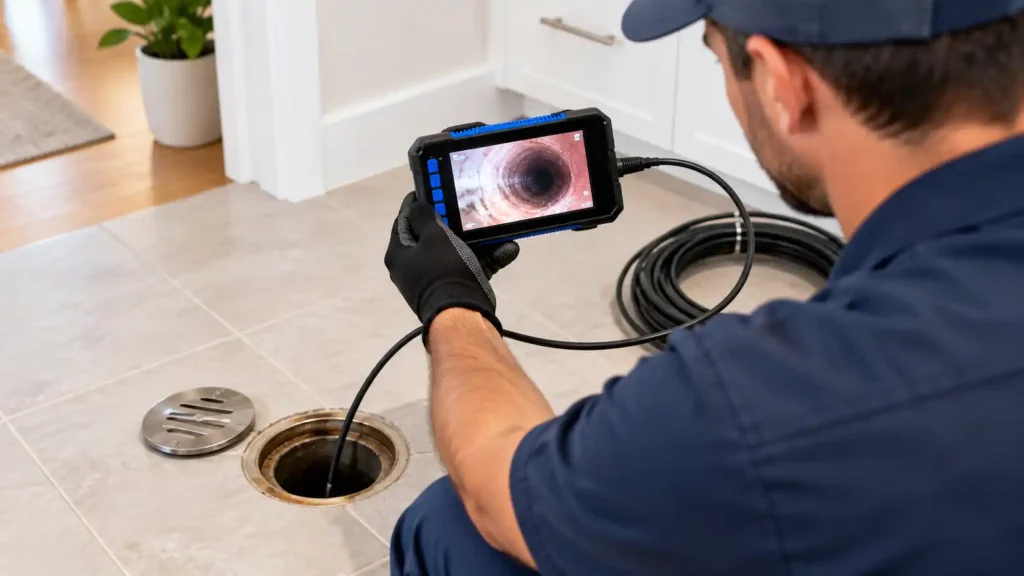
Once that decision gets made, camera inspection typically comes first whenever the line’s condition isn’t already well documented. This step confirms the pipe can handle pressurized water safely and reveals exactly where buildup, roots, or damage might be sitting along the interior.
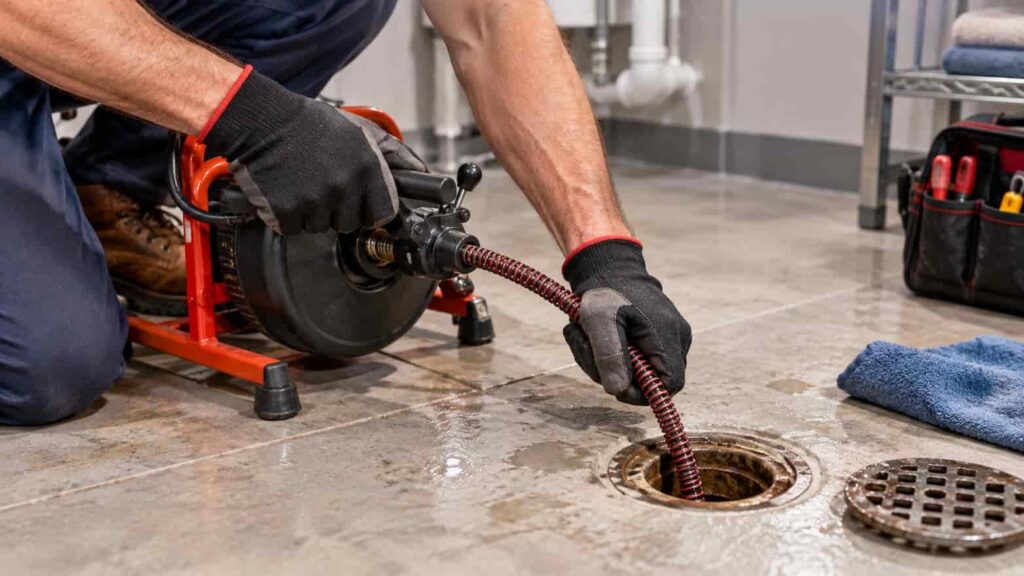
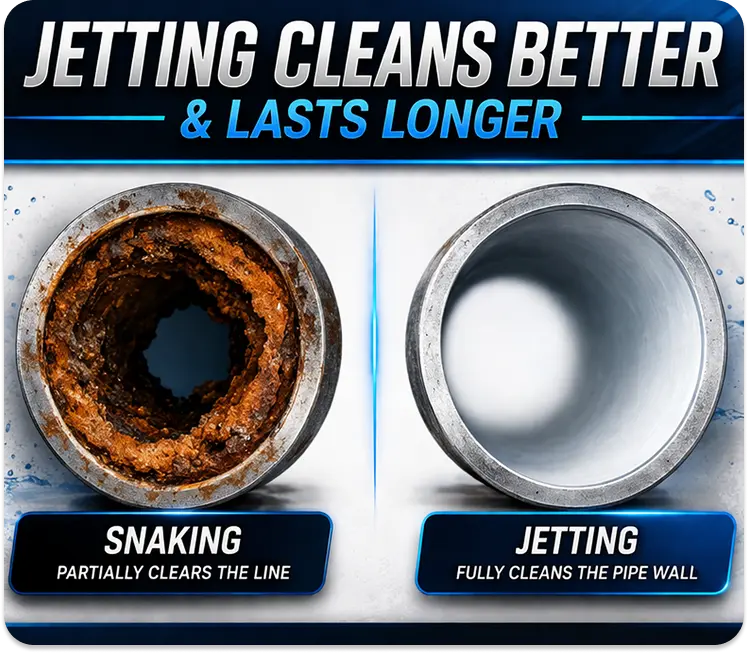
From there, the jetting hose feeds into the line through whatever cleanout is accessible, and pressurized water handles the actual cleaning, scrubbing the pipe wall clean as the hose retracts back out. A second camera pass usually confirms the line runs clear and documents pipe conditions for the property owner going forward.
What Actually Decides How Long This Takes
Line jetting for a straightforward residential kitchen line often clears faster than people expect, sometimes in under an hour once everything’s set up and access is confirmed. Main sewer lines or heavier commercial buildup can stretch that timeline out considerably.
Access ends up mattering more than most homeowners assume going in, since it affects how quickly line jetting can actually get underway. A property with a cleanout sitting somewhere easy to reach moves along faster than one where a technician needs to track down access through a roof vent or dig for an exterior connection point. Worth asking about before the appointment even gets booked.
How severe the buildup already is plays a role too. A line that’s never once been jetted, particularly an older one carrying years of accumulated grease or scale, may need several passes before it’s genuinely clear, while a line kept on a regular maintenance rhythm usually clears quicker since less has piled up since the last visit.
Reading The Signs Of A Main Line Clog
A main line clog rarely announces itself the way a single blocked sink does. It tends to arrive as a handful of smaller symptoms happening together, a toilet gurgling whenever the washer drains, a shower backing up slightly every time another fixture runs, a faint sewer odor drifting near a floor drain with no obvious cause.
These scattered clues matter because a main line clog affects the one shared path wastewater takes leaving the whole property. Once that path narrows, water tends to surface wherever the plumbing sits lowest, which explains why a downstairs bathroom often shows trouble weeks before anyone connects the dots elsewhere in the house.
Catching a main line clog early, instead of treating each symptom like its own isolated problem, usually means dealing with the actual restriction sooner and sidestepping a full scale backup hitting multiple fixtures simultaneously, a scenario that costs considerably more to untangle than scheduling line jetting once the pattern shows itself.
Treating Sewer Jetting As Maintenance Instead Of A Rescue Mission
Sewer jetting doesn’t need to wait around for an emergency to justify itself. Properties with a documented history of backups, root intrusion, or a heavy grease load tend to benefit from scheduling this service at a regular interval, heading off the kind of surprise failure that derails a business day or a household routine.
Commercial properties benefit especially from this shift in mindset. A restaurant scheduling sewer jetting proactively sidesteps the far costlier scenario of a backup happening mid shift, along with the cleanup, lost revenue, and customer disruption that inevitably follows something like that.
Residential properties gain from this thinking too, particularly older homes with a known root intrusion history or a documented pattern of clogs returning again and again. Treating sewer jetting as routine upkeep rather than crisis response tends to run cheaper over several years than reacting to each backup as its own separate emergency.
Kitchen Lines Versus Main Lines: Not The Same Cleaning Job
Hydro jet drain cleaning aimed at a kitchen line usually tackles grease, food residue, and soap scum built up over months or years of ordinary cooking and dishwashing. The pipe diameter stays smaller, and whatever’s coating the walls tends to be fairly consistent in character compared to what turns up in a main sewer line.
The main line brings an entirely different set of challenges. Larger diameter, the real possibility of root intrusion from nearby trees, and a mash up of everything every fixture in the property sends downstream, all of it means pressure, nozzle choice, and overall approach often shift from what a kitchen line would ever need.
Hydro jet drain cleaning done properly accounts for that gap rather than running the identical playbook on every line jetting job regardless of what it actually is. A technician who genuinely understands this distinction is matching the tool to the job at hand instead of applying one method everywhere out of habit. Read more about how we handle this work on our main line hydro jetting page.
Clearing Up A Few Persistent Myths
One myth that refuses to die claims line jetting damages pipes as a rule. In truth, the actual risk comes from pushing pressure into a pipe that’s already compromised without checking beforehand, not from line jetting itself once it’s matched properly to what the pipe can genuinely handle.
Another misconception treats chemical drain cleaners as a comparable, cheaper stand in. Many drain cleaning chemicals are classified as corrosive substances under federal law, part of why these products legally require hazard warnings and why using them repeatedly can weaken pipes and fittings over time.
A third myth assumes line jetting only belongs in emergency territory. As already covered, scheduled maintenance for higher use properties often heads off the emergency entirely, and that approach usually ends up cheaper than reactive service down the road.
What Comes After The Line Runs Clear
A properly jetted line doesn’t demand much special care afterward, though a handful of habits help the results actually stick around. Keeping grease out of kitchen drains and non flushable items out of toilets both slow down how fast new buildup starts forming again.
For properties with a known root intrusion history, watching for returning symptoms matters more than any particular aftercare ritual. Since jetting clears buildup without fixing whatever crack or joint let roots in to begin with, that entry point may deserve its own evaluation if roots make a comeback sooner than expected, sometimes within a year or two of the original service.
Line jetting results generally hold for a solid stretch of time once the underlying cause actually got addressed, rather than just treating a symptom without ever understanding what created it, which is really the entire point of doing the diagnostic legwork upfront.
Sizing Up A Provider Before You Commit
| Factor | Why It Matters |
| Camera inspection offered | Confirms pipe condition before pressure gets applied |
| Explains pressure decisions | Shows real judgment instead of a one size fits all approach |
| Distinguishes kitchen vs main line needs | Matches equipment to the actual job at hand |
| Discusses maintenance scheduling | Signals long term thinking, not just reactive service calls |
| Transparent about limitations | Honest about when jetting isn’t the right first move |
Look for someone willing to walk through their reasoning rather than simply naming a price for line jetting. A team discussing pipe condition, access, and buildup type together is giving you the information needed to actually understand what they’re recommending.
Getting Your Line Jetted
The right move for a sluggish or backing up line comes down to which line is affected, what’s actually causing the restriction, and how the property genuinely uses its plumbing day to day. Camera inspection, basic clearing, and line jetting each solve a different slice of the puzzle, and matching the method to the real situation is what keeps today’s fix from turning into next month’s callback.
At EZ Hydro Jetting Austin, we’d rather tell you what we actually find than default to the same service for every single call that comes through. Book hydro jetting help for stubborn buildup and repeat clogs. Reach out through our contact page and we’ll talk through what your line genuinely needs before anything gets scheduled.