If you are wondering whether your home needs sewer line jetting, the question probably did not come out of nowhere. Maybe the same drain keeps slowing down. Maybe the toilet gurgles after the shower runs. Maybe a sewer smell keeps showing up near a floor drain, or a backup returned even after the line was cleared once before. Most homeowners do not think about the sewer line until the house starts giving warnings.
At EZ Flow Hydrojetting, we take those warnings seriously because sewer problems usually do not begin at the moment water backs up. Many start quietly. Grease, sludge, wipes, roots, sediment, and soft debris can collect inside a line long before the problem becomes urgent. By the time several fixtures are reacting, the line may already be struggling to move wastewater the way it should.
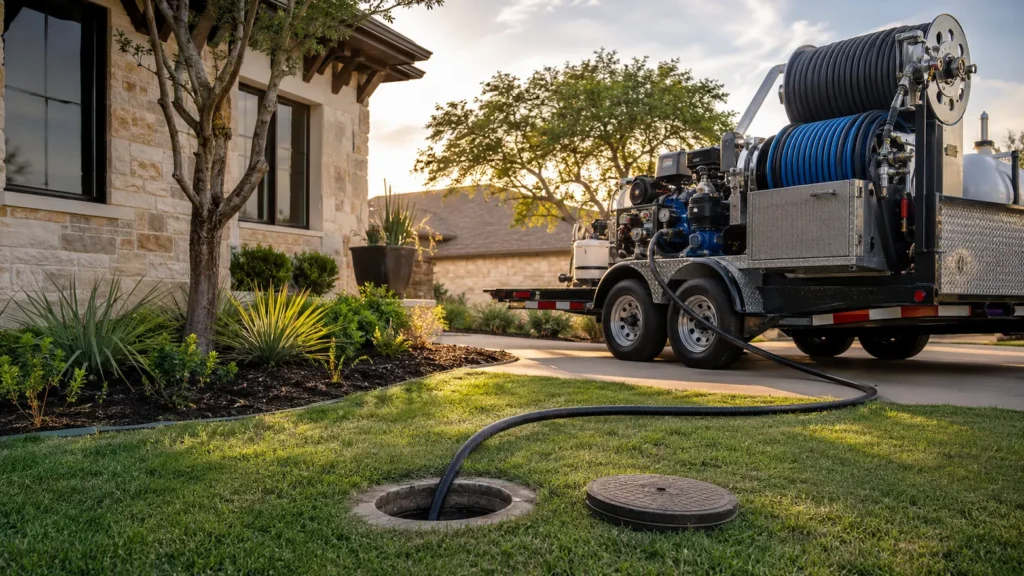
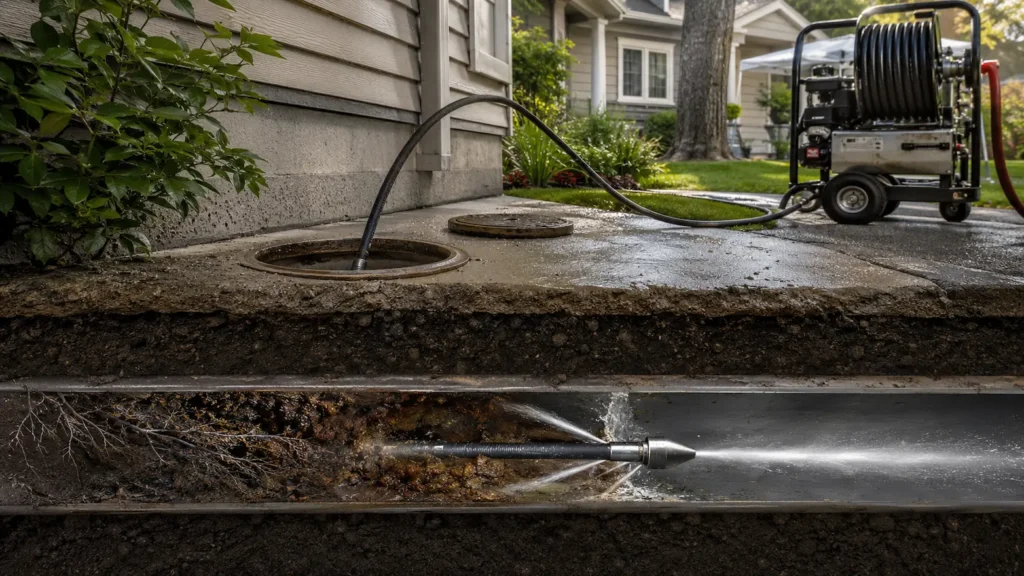
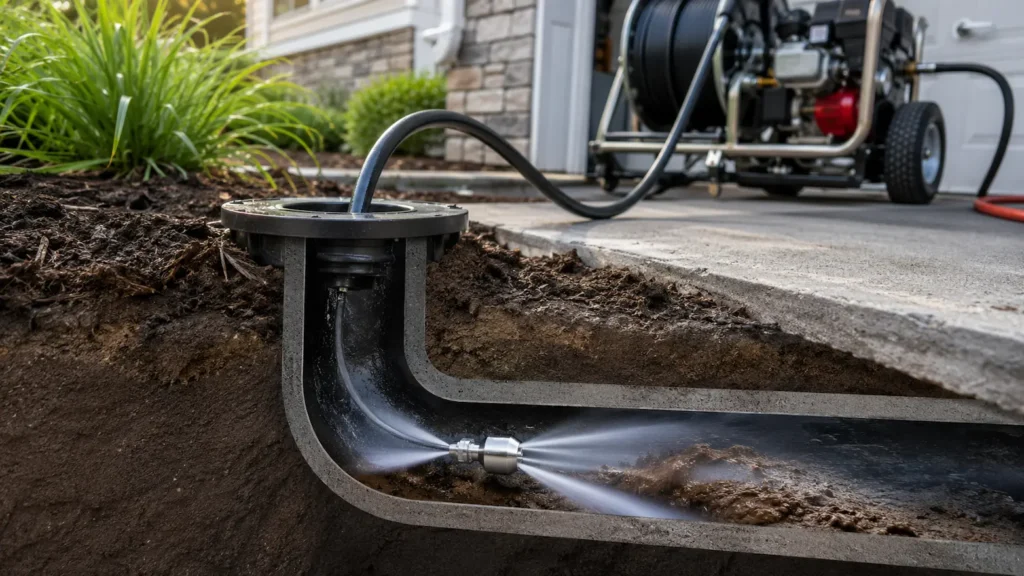
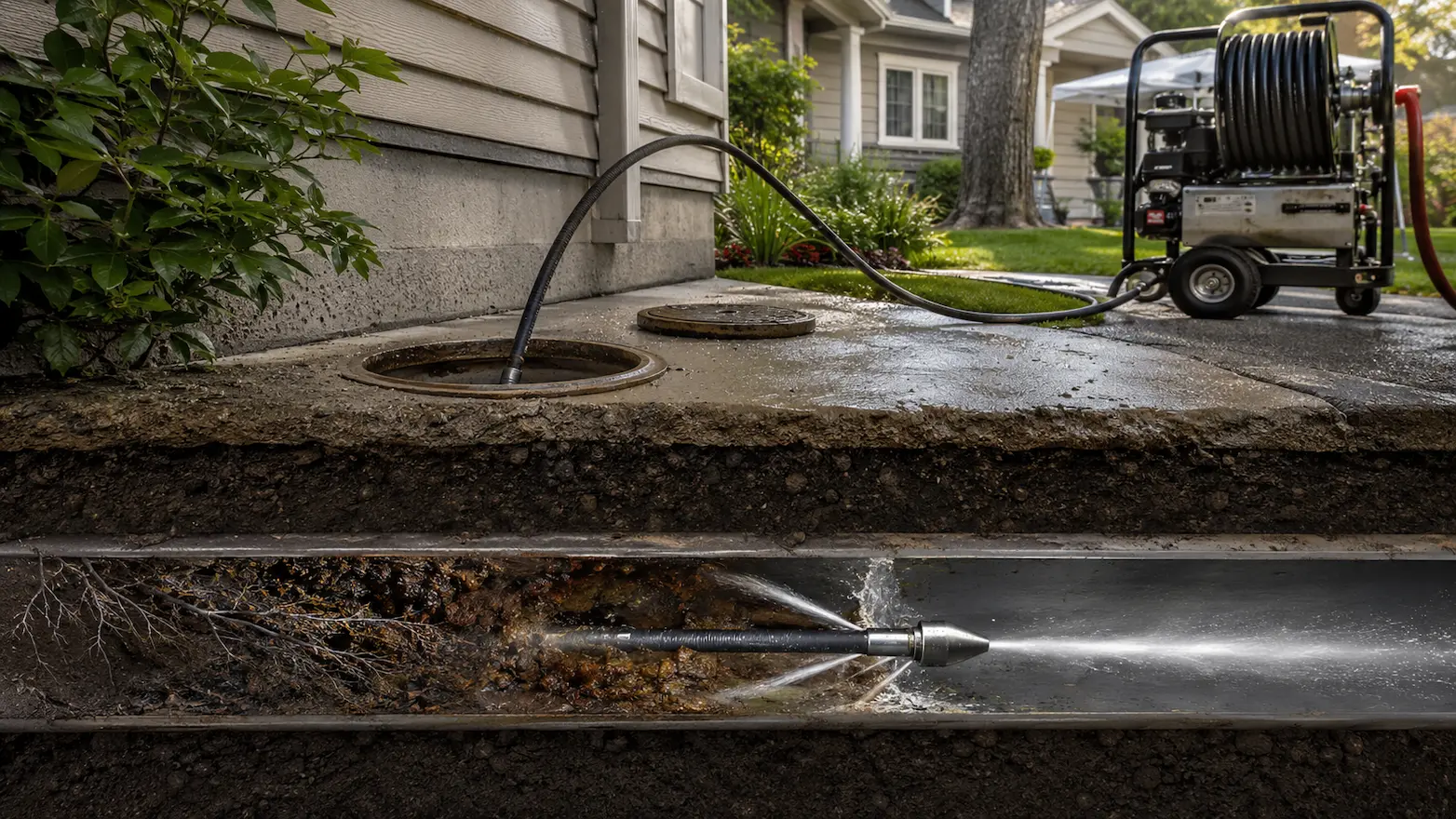
Sewer line jetting is a professional cleaning method that uses pressurized water to break apart buildup and flush debris through the pipe. It is not always the first answer for every clog. But when the signs point to deeper buildup, recurring blockage, or a sewer line that keeps losing flow, hydro jetting can be the service that finally addresses more than the surface symptom.
1. Your Drains Keep Slowing Down Again
A slow drain once in a while may not mean much. A bathroom sink can collect hair. A shower can collect soap residue. A kitchen sink can slow down after food waste or grease enters the line. The bigger concern is when the same drain slows down again after being cleared.
That pattern matters because it suggests the line may not be fully clean. A basic clearing may open a path through the clog, but buildup can remain on the pipe walls. Once new debris moves through, it catches on that material and the problem starts again.
This is one of the most common reasons homeowners start searching for sewer jetting services near me. They are not just dealing with one clog. They are dealing with a drain that keeps acting like the problem never really left.
Sewer line jetting can make sense when repeated slow drains point to buildup that needs to be washed out more thoroughly.
2. More Than One Fixture Is Acting Up
One slow sink can be a local clog. Several slow fixtures can be a sewer line warning. If the toilet, shower, tub, floor drain, and sink start acting strange around the same time, the problem may be deeper than one drain opening.
This is when homeowners often notice strange connections. The toilet bubbles when the washer drains. Water rises in the tub after flushing. The shower drains slowly only after the kitchen sink has been used. Those symptoms can suggest that wastewater is having trouble moving through a larger branch line or main sewer line.
That does not automatically mean the pipe is damaged. It does mean the problem should be taken seriously. When several fixtures are involved, sewer line jetting may be worth considering because the issue may be buildup in a shared line rather than a small blockage near one fixture.
At EZ Flow Hydrojetting, we do not like guessing from one symptom. We look at how the whole system is behaving.
3. You Notice Sewer Odors Around the Home
Sewer odors are easy to dismiss at first. A homeowner may think the smell is coming from an unused drain, a garbage disposal, a trash can, or something outside. Sometimes that is true. But when the smell keeps returning, especially near floor drains, bathrooms, laundry areas, or cleanouts, it deserves attention.
Odor can show up when wastewater is not moving properly or when buildup inside the line holds waste long enough to create smell. It can also be related to venting or trap problems, which is why diagnosis matters.
Sewer line jetting is not a cure for every sewer smell. But if the odor is connected to sludge, grease, or organic buildup inside a drain or sewer line, high-pressure sewer jetting may help clean the pipe more completely than a quick clearing.
The smell is not the real problem. It is a clue. The goal is to find out what the line is doing before the clue turns into a backup.
4. The Same Sewer Backup Has Happened Before
A sewer backup is stressful enough once. When it happens more than once, the situation changes. Repeated backups usually mean there is an ongoing condition inside the line that has not been fully addressed.
That condition could be grease buildup, wipes, roots, a sagging line, pipe damage, poor slope, or heavy debris. Some of those issues may respond well to cleaning. Others may need repair. This is why a repeated backup should not be treated like a random event.
Sewer line jetting may be the right next step when previous clearing restored flow only temporarily. Instead of only breaking through the blockage, jetting sewer lines helps wash out material that may be coating the pipe and helping new clogs form.
If the line keeps backing up, the question should not be “how do we clear it again?” The better question is “why does it keep happening?”
5. Snaking Helped, But Only for a Short Time
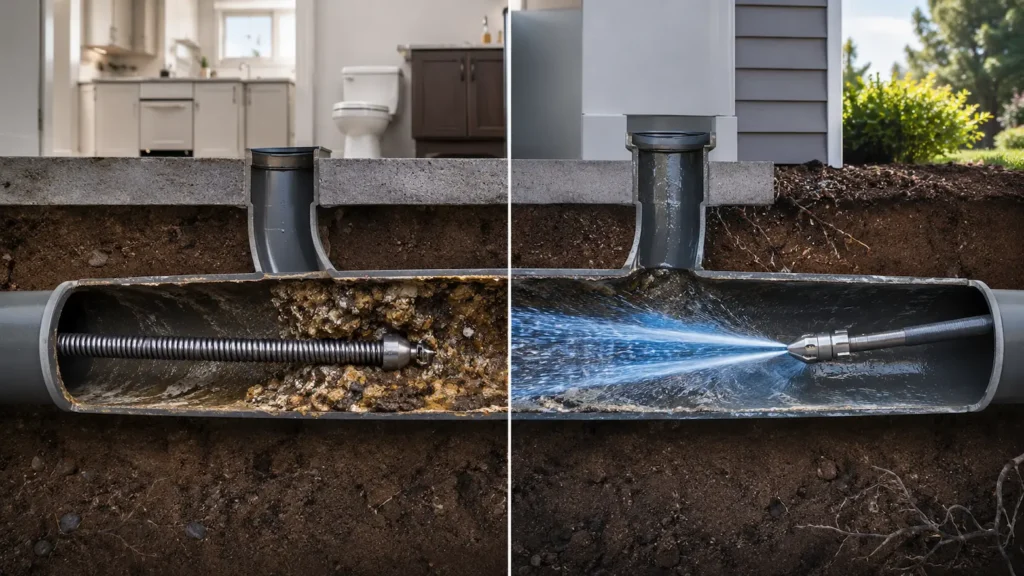
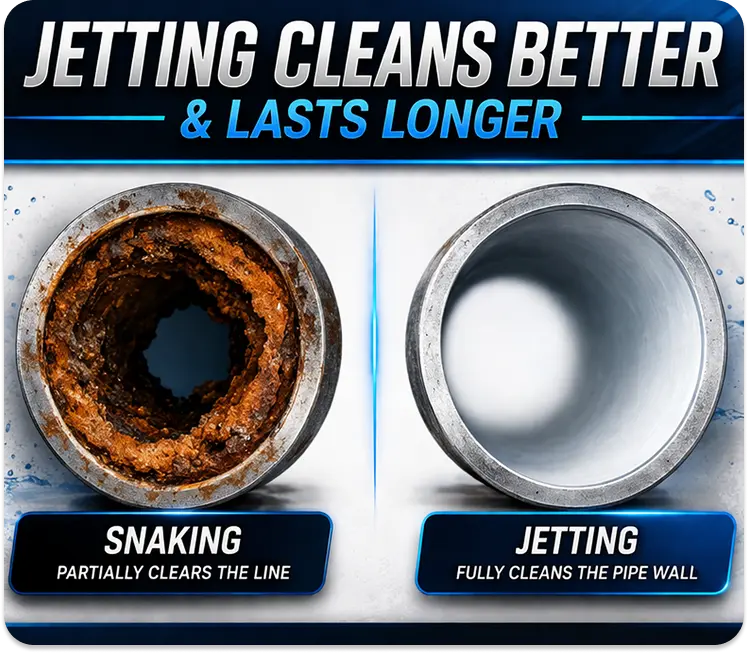
Drain snaking can be useful. It can break through certain blockages, restore flow, and solve simple clogs. The issue is not that snaking is bad. The issue is that snaking may not remove all the buildup inside the line.
If a snake opened the drain but the problem came back within weeks or months, the pipe may still be narrowed by grease, sludge, roots, or debris. The line may be open enough to drain for now, but not clean enough to stay reliable.
That is where sewer line jetting becomes part of the conversation. Hydro jetting uses pressurized water to clean more of the pipe interior, which can make a real difference when the line is coated rather than simply blocked at one point.
Homeowners searching jetting sewer lines near me are often in this exact situation. They already tried a basic fix. Now they want something that addresses the reason the clog keeps returning.
6. Your Kitchen Drain Has a Grease History
Kitchen drains can be tough on sewer lines. Grease may look harmless when it is hot and liquid, but it can cool, thicken, stick to pipe walls, and trap food particles. Over time, that buildup can reduce flow and create recurring clogs.
Even careful homeowners can run into this problem. Small amounts of oil, sauces, butter, food residue, and dish waste can add up over years. If the kitchen sink is the drain that keeps slowing down, or if the issue seems worse after heavy cooking, grease may be part of the story.
High-pressure sewer jetting can be especially useful when grease buildup is the problem. The water helps break up soft deposits and flush loosened material through the line. A cable may open a path, but hydro jetting can clean more of the coated surface.
After service, habits still matter. Grease should be cooled, wiped, collected, and thrown away instead of being sent down the sink.
7. There Are Mature Trees Near the Sewer Line
Tree roots are one of the most frustrating sewer line problems because they often point to a bigger issue. Roots are attracted to moisture, and if there is a crack, joint opening, or defect in the line, they can find their way in.
Sewer line jetting can help clear certain root-related blockages and restore flow, but it should not be treated as a permanent repair when roots are entering through pipe damage. Cleaning may buy time and improve drainage, but the underlying opening may still need attention.
This is where inspection becomes important. If roots are suspected, a camera inspection may help show whether the issue is light intrusion, heavy blockage, offset pipe, or a damaged section. Jetting sewer lines may be part of the solution, but it should be used with a clear understanding of what is happening inside the pipe.
For Austin homes with mature landscaping, that local context matters. The line may need more than a quick clearing.
Why Sewer Line Jetting Is Different From a Quick Drain Clearing
A quick clearing is focused on getting water moving again. That can be the right service for a simple clog. Sewer line jetting goes further when the line needs deeper cleaning.
The difference is in the goal. Drain clearing opens the blockage. Hydro jetting washes the pipe interior. When buildup is the real reason the line keeps struggling, sewer line jetting can give the plumbing a cleaner path to move wastewater.
That does not mean every home needs hydro jetting. A good plumber should look at the symptoms, the history, the pipe condition, and the access point before recommending it. The right answer depends on what is happening inside the line.
At EZ Flow Hydrojetting, we see hydro jetting as a practical tool, not a one-size-fits-all answer. It works best when the line is a good candidate and the problem is buildup that needs to be removed more thoroughly.
When to Book a Sewer Line Assessment
If you are dealing with one minor clog, you may not need sewer line jetting right away. But if the symptoms are stacking up, it is better to check the line before the next backup becomes urgent.
A sewer line assessment can help determine whether the issue is buildup, root intrusion, pipe condition, poor drainage slope, or another hidden factor. That matters because the wrong service can waste time and leave the same problem waiting to return.
You should consider an assessment when:
- More than one drain is slow
- A backup has happened before
- Odors keep returning
- Snaking worked only briefly
- The kitchen drain has a grease history
- Toilets gurgle when other fixtures run
- Trees sit near the sewer path
Those signs do not always mean the same thing. But they do mean the sewer line deserves a closer look.
Book a Sewer Line Assessment Before the Next Backup Becomes Urgent
Sewer trouble usually gives warnings before it becomes a mess. Slow drains, odors, gurgling, repeat clogs, and short-lived repairs are all signs that the line may need more than another quick clearing.
Sewer line jetting can be a strong solution when buildup, sludge, grease, or debris is restricting flow. It can help clean the pipe interior and reduce the chance of the same material catching again. But the best results come when the service is matched to the actual condition of the line.
If you are searching for sewer jetting services near me or jetting sewer lines near me because the same problem keeps coming back, EZ Flow Hydrojetting can help you understand what is happening before the next backup becomes urgent.
Book a sewer line assessment before the next backup becomes urgent. A cleaner line starts with knowing what the line is really trying to tell you.