If you have ever searched what is hydro jetting, the question probably started with a drain that stopped acting normal. Maybe the kitchen sink kept slowing down. Maybe more than one drain started backing up. Maybe a sewer smell appeared, or the shower drained fine one week and struggled the next. Most homeowners do not look up pipe-cleaning methods because they are curious about equipment. They do it because something in the house is not moving the way it should.
At EZ Flow Hydrojetting, we take that seriously because stubborn drain problems are rarely just about one bad moment. A clog may look sudden, but buildup often collects for a long time before the house finally reacts. Grease, soap residue, sludge, sediment and small debris can all change how a sewer or drain line behaves. Hydro jetting is one way to clean the line more thoroughly when simple clearing is not enough.
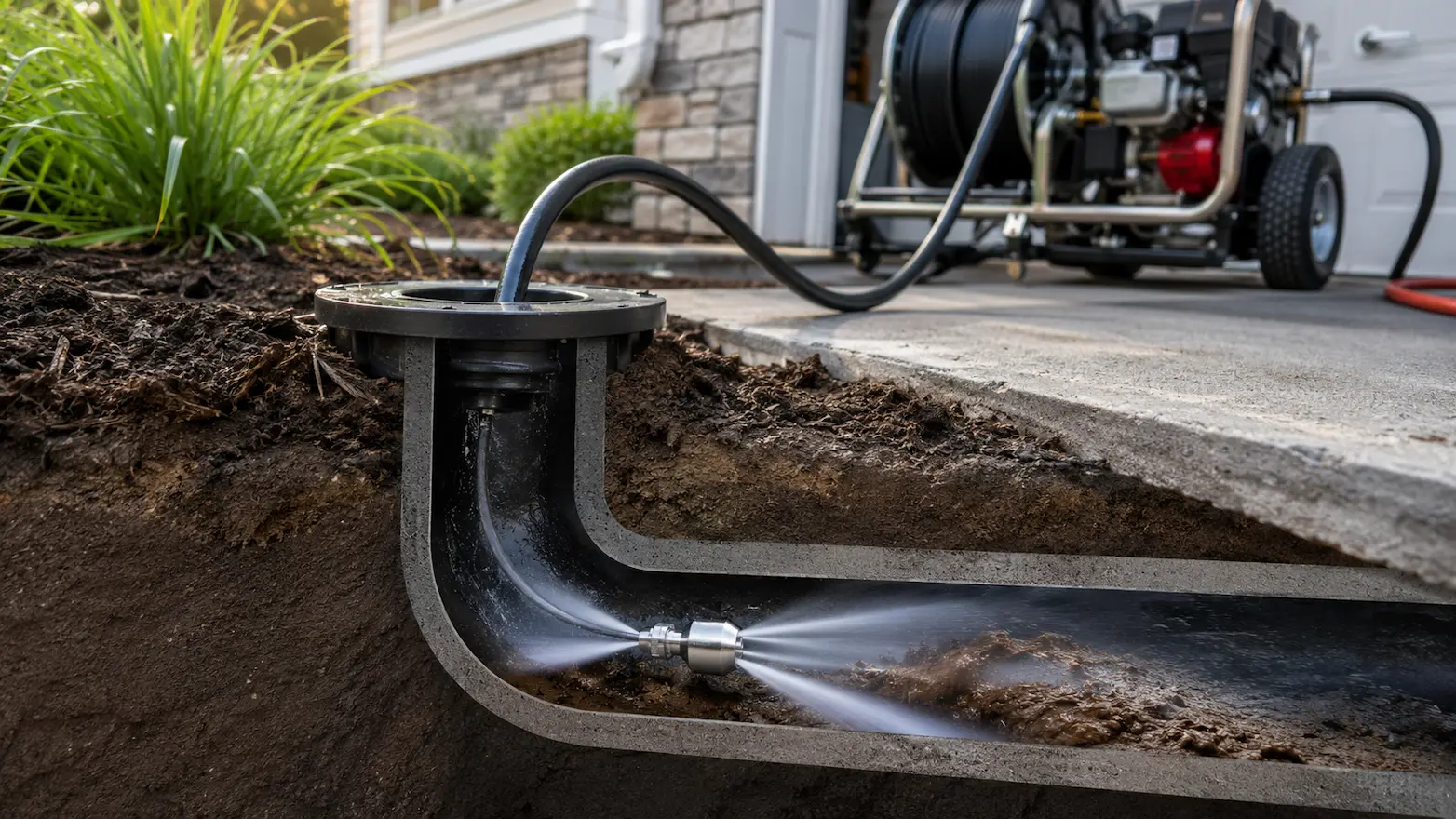
So, what is hydro jetting in practical terms? It is a professional drain and sewer cleaning method that uses pressurized water to break apart buildup and flush debris through the line. Instead of only punching a path through the clog, the goal is to clean more of the pipe interior so water and waste can move with less resistance.
What Is Hydro Jetting Actually Doing Inside the Pipe?
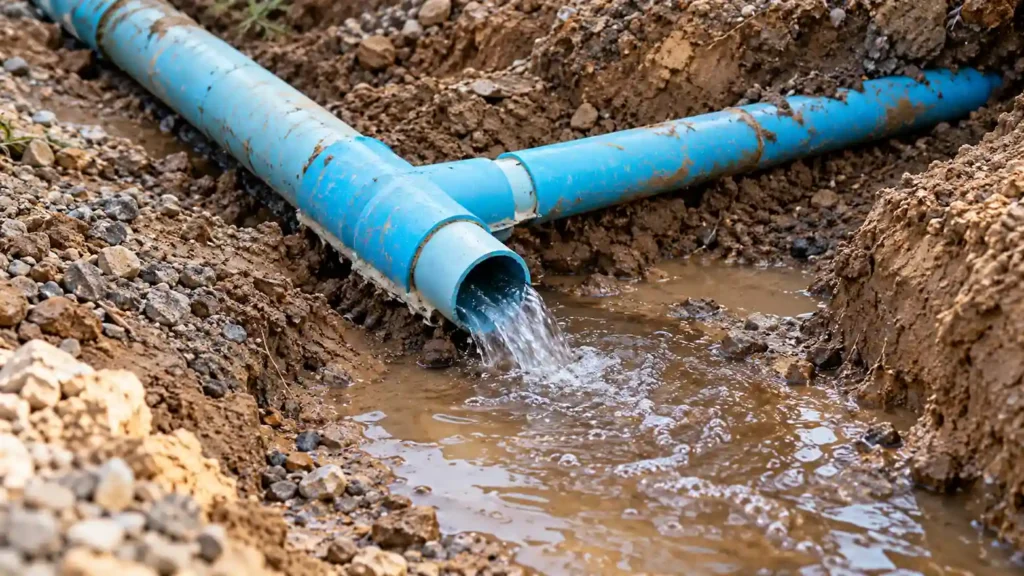
The easiest way to understand hydro jetting is to picture controlled jetting water moving through the pipe with force and direction. A plumber feeds a hose into the drain or sewer line, usually through a cleanout or another approved access point. At the end of that hose is a specialized nozzle. That nozzle sends water forward, backward, or in multiple directions depending on the job.
That matters because the water is not just spraying randomly. The pressure helps cut into buildup, while the nozzle movement helps push loosened debris downstream. In a sewer line, that can be useful when the issue involves heavy sludge, grease, soft blockages, scale, or recurring debris that keeps collecting in the same area.
What is hydro jetting not doing? It is not a casual rinse. It is not the same as running more water from the faucet and hoping the clog moves. It is a plumbing service that should be handled with the right equipment, access, inspection, and judgment. At EZ Flow Hydrojetting, that judgment matters because the condition of the pipe should guide the solution, not the other way around.
Why Homeowners Ask What Is Hydro Jetting After Repeated Clogs
A single slow drain can sometimes be a local issue near one fixture. A bathroom sink may have hair and soap buildup. A kitchen drain may have food residue or grease. But when problems come back after clearing, or when several drains act up together, the conversation changes.
That is when homeowners often start asking what is hydro jetting, because they are tired of short-term relief. A cable may open a path through a blockage, but if the walls of the line still carry thick buildup, the same problem can return. Hydro jetting is often considered when the goal is not only to open the line, but to wash out the material that keeps narrowing it.
This is especially important for homes with older plumbing, heavy kitchen use, or previous sewer line trouble. Austin homes can vary widely in age and plumbing layout, so the right answer depends on what the line is actually doing. Guessing from the drain symptom alone is not enough.
Hydro Jet Sewer Cleaning Versus Basic Drain Clearing
A basic drain clearing service usually focuses on restoring flow. That may mean breaking through a clog, pulling out debris, or opening enough space for water to move again. In many situations, that is useful and appropriate. Not every drain problem needs hydro jetting.
What is hydro jetting goal? To get a complete cleanout of the line. When the pipe walls are coated with grease, sludge, mineral residue, or recurring debris, high-pressure sewer jetting can remove more material than a simple mechanical clearing.
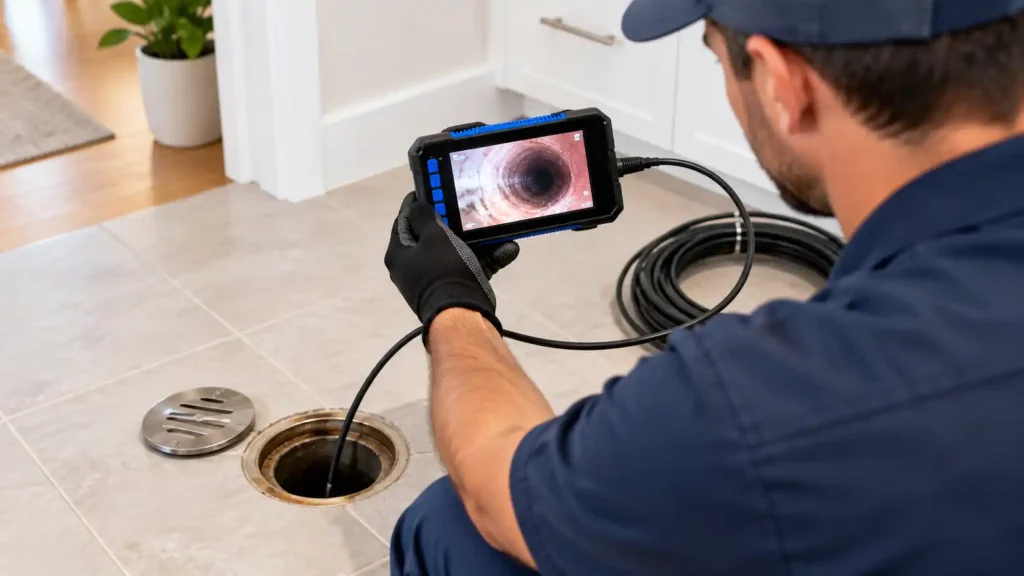
That does not mean hydro jetting is always the first step. A professional should look at the symptoms, access points, pipe condition, and risk factors. In some cases, a camera inspection may be recommended before or after the service to understand what is happening inside the line. The point is not to use the strongest method every time. The point is to use the right method for the problem.
What Is Hydro Jetting Best Used For?
What is hydro jetting best used for? In many homes, it is most helpful when a drain or sewer line has stubborn buildup that keeps causing slow flow, backups, or repeated clogging. It can be especially useful when the issue is not just one object stuck in the pipe but a layer of material reducing the pipe’s working space.
Common situations may include kitchen grease buildup, soap scum, sludge, sediment, soft blockages, and debris that has collected over time. In sewer lines.
This is why we avoid treating hydro jetting as a magic answer. It can clean extremely well when the line is a good candidate. But if a pipe is broken, collapsed, badly offset, or structurally weak, cleaning alone may not solve the underlying issue. The service should match the pipe condition.
What Homeowners Usually Notice Before Calling
Most homeowners do not see the inside of the line. They notice behavior inside the home. A drain starts making gurgling sounds. Water rises in a tub when another fixture runs. A toilet bubbles. The kitchen sink slows down even after normal cleaning. A basement or floor drain smells off. Sometimes the issue appears after laundry, long showers, or heavy water use.
Those clues matter because they help separate a simple fixture clog from a larger drain or sewer concern. If one sink is slow, the problem may be close to that fixture. If multiple drains are slow, the main line or a larger branch line may be involved.
This is where what is hydro jetting becomes more than a definition. The real question becomes: is the line blocked, coated, damaged, or overloaded? The answer should come from inspection and experience, not from assuming every clog needs the same fix.
How the Hydro Jetting Process Usually Works
A hydro jetting service usually starts with a conversation about symptoms. When did the problem start? Which drains are affected? Has this happened before? Did another method work only for a short time? Has the home had sewer line repairs, or backups in the past?
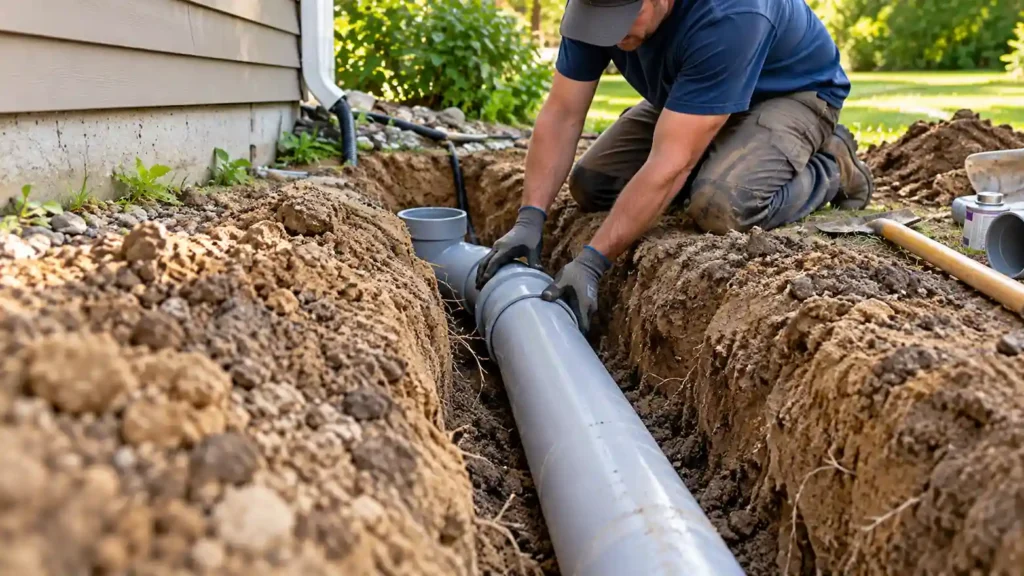
From there, the plumber looks for proper access. In many cases, a cleanout provides the safest and most practical entry point. The equipment is then set up with the right hose, nozzle, and pressure approach for the line. The nozzle is guided into the pipe, and the jetting water is used to break apart buildup and move debris through the system.
The process should be controlled. A good technician is not just blasting water and hoping for the best. They are paying attention to how the line responds, how water moves, and whether symptoms suggest another issue hiding behind the blockage. At EZ Flow Hydrojetting, that system-first view is what helps keep the work practical and safe.
Why High-Pressure Sewer Jetting Needs Professional Judgment
High-pressure sewer jetting sounds simple, but the real skill is knowing when and how to use it. Water under pressure can be very effective, but the pipe still matters. Different materials, ages, access points, and conditions call for different decisions.
A strong line with heavy buildup may be a good candidate. A brittle, damaged, collapsed, or severely offset line may need a different plan. Hydro jetting can clean, but it cannot repair a pipe that has lost its shape or structure.
That is why responsible hydro jetting should not skip the diagnostic side. The best results usually come when the plumber understands both the clog and the pipe. For homeowners, that means the goal should not be “use the biggest machine.” The goal should be “confirm what is happening and clean the line the right way.”
What Is Hydro Jetting Compared With Snaking?
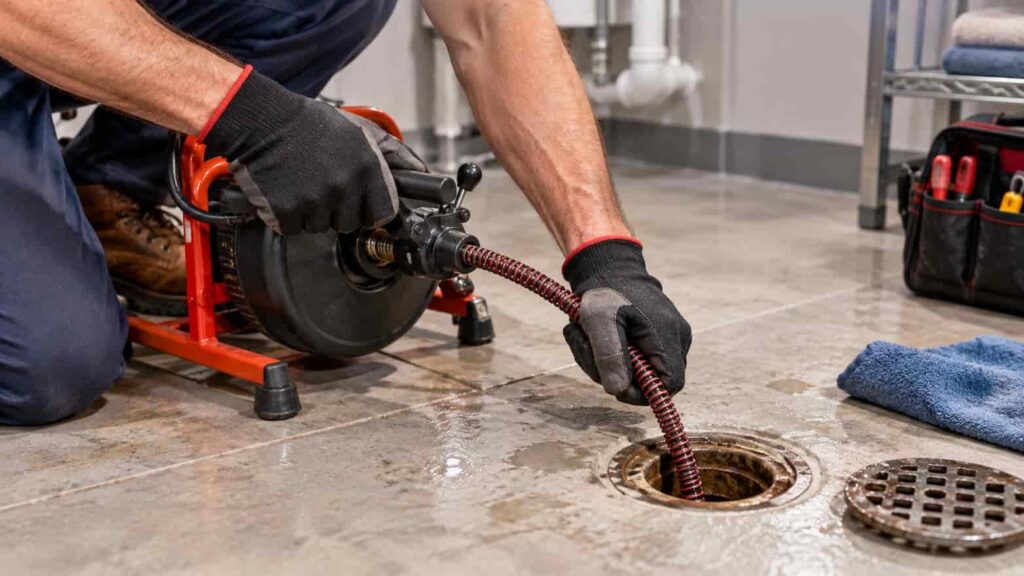
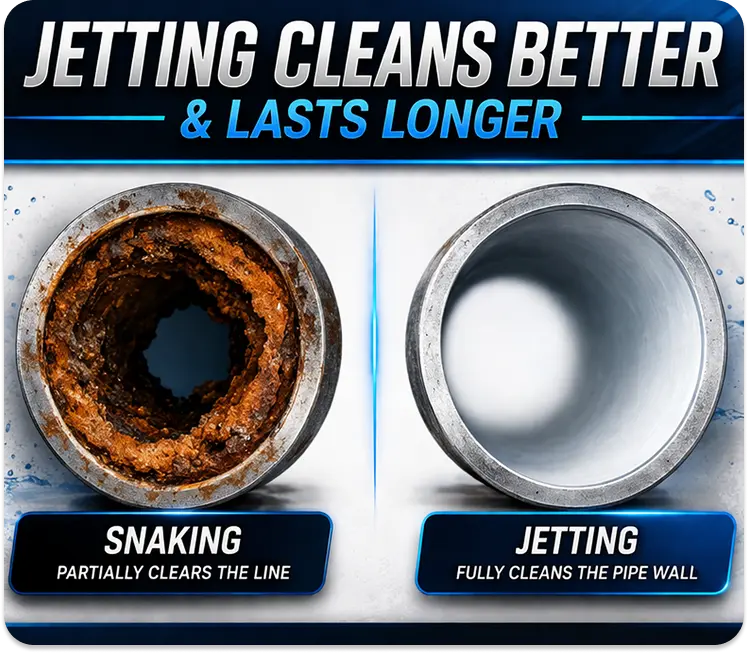
What is hydro jetting compared with snaking? Snaking, also called cabling, uses a mechanical cable to break through or pull back a blockage. It is often useful for certain clogs and can restore flow quickly. Hydro jetting uses water pressure to clean the pipe walls and flush loosened material away.
The difference is important. Snaking can be like opening a narrow path through the problem. Hydro jetting can be like washing more of the pipe interior. Both have a place. One is not automatically better in every situation.
If a clog is simple and isolated, snaking may be enough. If buildup keeps returning, or if the line is coated with grease and sludge, hydro jetting may provide a deeper cleaning. The right answer depends on the symptoms, line condition, and access. At EZ Flow Hydrojetting, we look at the full situation because homeowners need a fix that fits the actual problem, not just the first visible symptom.
When Hydro Jetting May Not Be the Right Fit
Hydro jetting is powerful, but it is not right for every line. If the pipe is fragile, damaged, collapsed, heavily corroded, or poorly connected, pressure alone may create risk. This is why inspection matters. A line that needs repair should not be treated like a normal cleaning job.
There are also situations where the blockage is not the main problem. If the pipe has a belly, poor slope, or a broken section, cleaning may help temporarily but not prevent the issue from coming back. A homeowner may think the drain keeps clogging when the real problem is that the line cannot carry flow properly.
This is one of the most important parts of understanding what is hydro jetting. It is a cleaning method, not a structural repair. When used for the right problem, it can be very effective. When used without checking the line, it can miss the real issue.
Why Austin Homes Can Benefit From a Better Sewer Line Conversation
Austin homes are not all dealing with the same plumbing conditions. Some properties have newer PVC lines. Others have older materials, shifting soil conditions, or sewer layouts that have been modified over time. That makes local judgment important.
A homeowner in Austin may call because of one slow drain, but the real issue could be grease buildup in a kitchen branch, or a main line that has not been cleaned in years. In some homes, the best next step may be hydro jetting. In others, it may be a camera inspection, repair discussion, or simpler drain clearing.
This is why what is hydro jetting should never be answered only as an equipment explanation. For a real home, the better question is: what is going on inside this specific line, and what is the safest way to restore reliable flow?
What Happens After Hydro Jetting?
After hydro jetting, the goal is for water and waste to move more freely through the cleaned line. Homeowners may notice drains moving faster, fewer gurgling sounds, less recurring backup behavior, and more stable flow across affected fixtures.
But the service should also leave the homeowner with more clarity. Was the buildup mostly grease? Did the line show signs of age or damage? Is this likely to return? Should the home adjust habits around grease, wipes, or maintenance? A good service call should not just clean and leave. It should explain what was found.
That education matters because some sewer problems can be reduced with better habits. Grease should not be treated like a harmless liquid once it leaves the pan. Wipes and hygiene products can create problems even when packaging makes them sound convenient. Maintenance is part of protecting the system.
What Is Hydro Jetting Really Solving?
What is hydro jetting really solving? In the right situation, it solves more than a clog. It clears the restriction, washes the line, removes buildup, improves flow, and gives the plumbing system a cleaner path to work through.
That is different from only getting water to move again for the day. Homeowners often call after the same problem has happened more than once. They do not just want the drain opened. They want to know why it keeps happening and what can be done to stop the cycle.
At EZ Flow Hydrojetting, that is where the service becomes practical. Hydro jetting is not about selling the strongest option. It is about using the right cleaning method when buildup, sludge, grease, or sewer debris is the reason the line keeps struggling.
A Cleaner Line Starts With the Right Diagnosis
If you searched what is hydro jetting because your drains keep slowing down, the best next step is not to guess. The best next step is to understand what the plumbing is trying to tell you. One slow drain, multiple slow fixtures, recurring backups, odors, gurgling, and outdoor cleanout problems can all point to different levels of concern.
Hydro jetting can be a strong solution when a sewer or drain line needs more than a quick opening. It can clear buildup, flush debris, and help restore better movement through the system. But like any plumbing service, it works best when the problem is identified correctly first.
EZ Flow Hydrojetting helps Austin homeowners look beyond the surface symptom. We focus on what is happening inside the line, why the issue may be returning, and whether hydro jetting is the right way to get the system flowing again. Because a clean line is not just about today’s drain. It is about helping the home’s plumbing work with less stress tomorrow.