If you are comparing hydro jetting vs drain snaking, there is a good chance the drain has already tested your patience. Maybe the shower keeps backing up. Maybe the kitchen sink clears for a few days and then slows down again. Maybe the toilet gurgles when another fixture runs.
Most homeowners do not start comparing drain-cleaning methods because they enjoy plumbing research. They do it because the problem came back, and now they want to know which fix actually makes sense.
At EZ Flow Hydrojetting, we look at this question carefully because not every clog needs the same answer. Some blockages need to be opened quickly. Some lines need a deeper clean. Some sewer problems are not really cleaning problems at all. They are pipe condition problems, slope problems, or structural issues hiding behind the backup.
That is why hydro jetting vs drain snaking should not be treated like a simple winner-takes-all debate. Both methods can help. Both have a place. The real question is what the line needs, what caused the blockage, and how likely the problem is to return after the service.
Hydro Jetting vs Drain Snaking: The Basic Difference
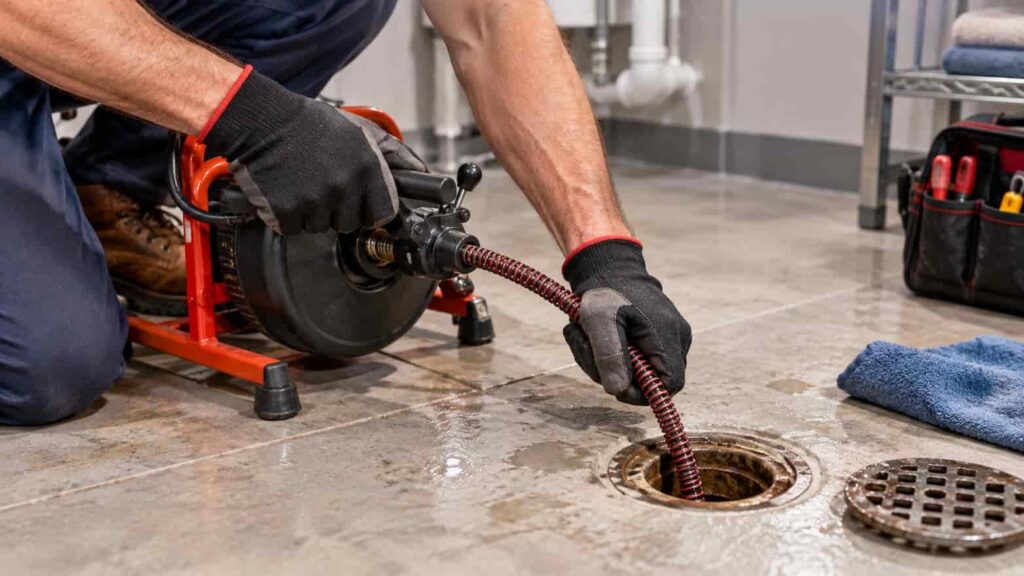
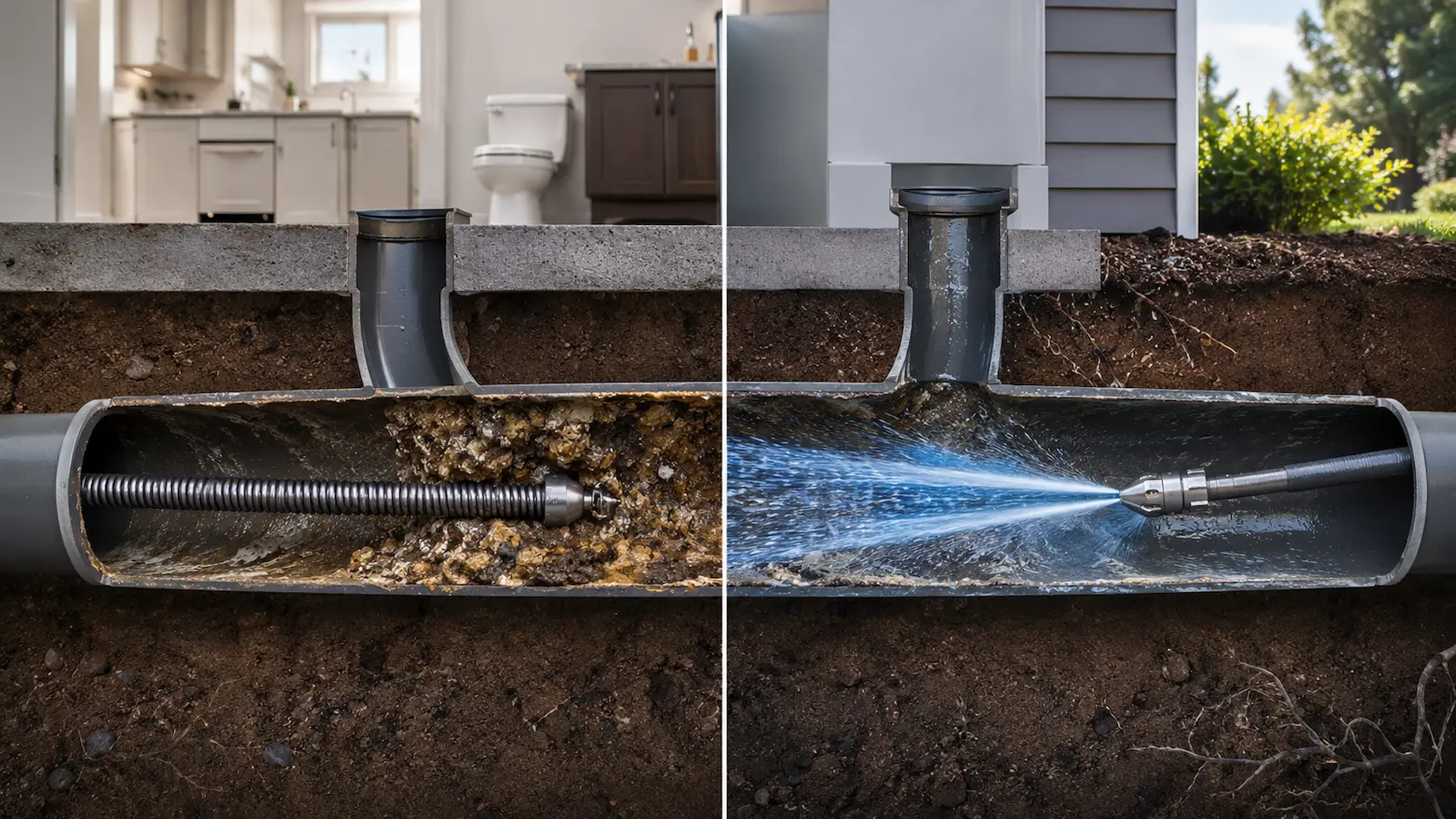
Drain snaking, also called cabling, uses a flexible metal cable to break through or pull apart a clog. It is often used when a fixture drain or sewer line is blocked and water needs a path to move again. In many homes, snaking can be the right first step when the problem is isolated, accessible, and not caused by heavy buildup along the pipe walls.
Hydro jetting uses pressurized water to clean the line more thoroughly. A hose with a specialized nozzle is fed into the pipe, and water is directed through the line to break apart buildup and flush debris away. That is why jetting sewer lines can be useful when grease, sludge, sediment, or recurring debris keeps narrowing the pipe.
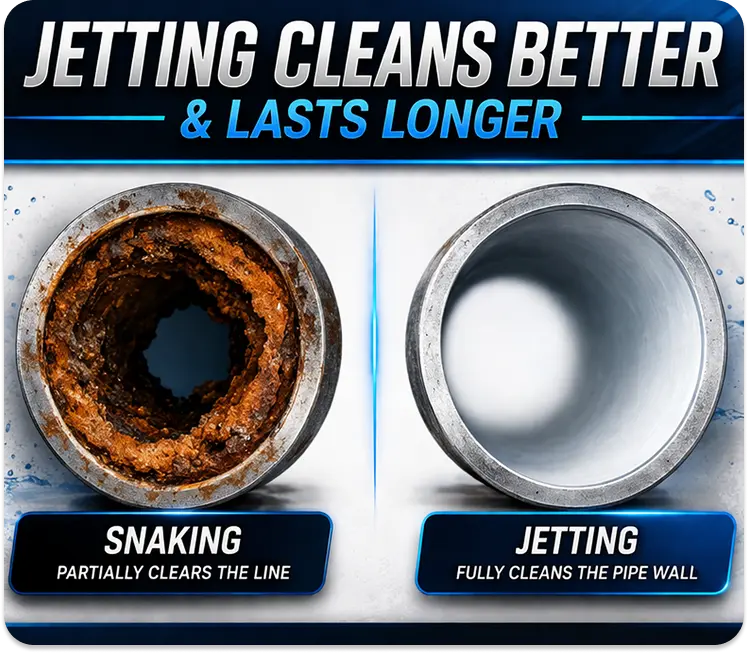
The difference is simple in real life. Snaking can open the blockage. Hydro jetting can clean more of the pipe interior. That does not mean hydro jetting is always necessary. It means hydro jetting vs drain snaking depends on whether the goal is quick flow restoration or deeper line cleaning.
When Drain Snaking Is Usually Enough
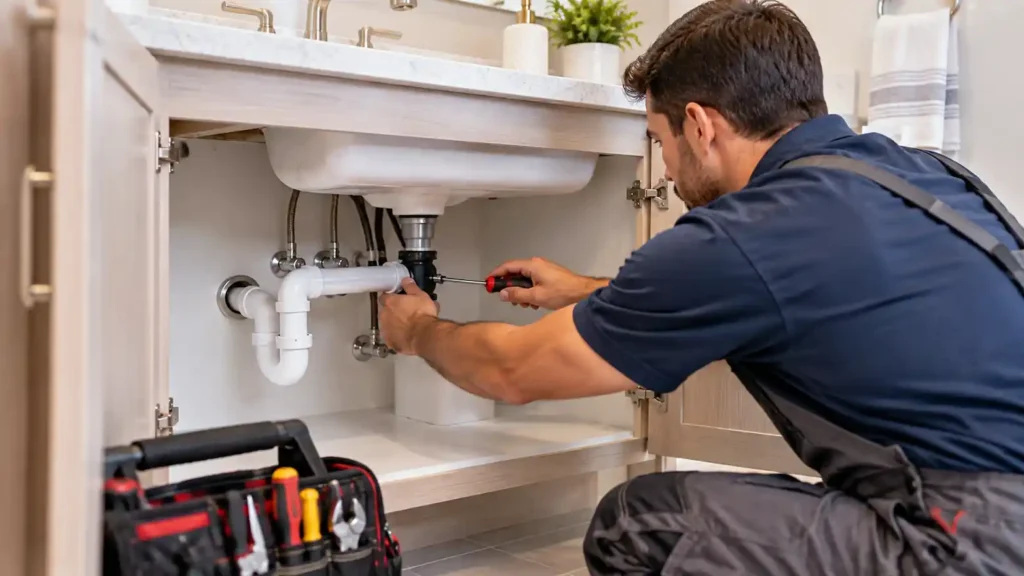
Drain snaking can make sense when the blockage is more direct. A bathroom sink full of hair and soap residue. A tub drain that has collected debris near the trap. A toilet line with a localized obstruction. A kitchen drain that needs a basic clearing. In these situations, snaking can restore flow without turning the service into something larger than it needs to be.
This is where homeowners often search sewer snaking near me because they need help fast. That search makes sense when water is standing, a fixture will not drain, or a clog needs to be cleared before it affects the rest of the home.
The important part is what happens after the line is opened. If the same drain works normally for a long time, snaking may have solved the issue. If the same problem returns quickly, the clog may not have been the full story. The pipe may still be coated with grease, sludge, or buildup that gives new debris a place to catch.
That is when hydro jetting vs drain snaking becomes a more serious decision.
When Hydro Jetting Becomes the Better Conversation
Hydro jetting becomes more relevant when the problem is recurring, heavy, or spread across a larger drain or sewer line. If the line keeps clogging after basic clearing, or if several drains are affected, the issue may involve buildup deeper in the system.
This is common with grease-heavy kitchen lines, older sewer lines, sludge buildup, and lines that have collected soft debris over time. In those cases, snaking may punch a path through the obstruction, but the pipe walls may still be coated. That coating can catch more material, narrow the line again, and make the backup return.
Line jetting is designed to address that kind of buildup more thoroughly. The water pressure helps wash the pipe interior instead of only breaking one opening through the clog. For homeowners, that can mean better flow and fewer repeat problems when the pipe itself is a good candidate.
At EZ Flow Hydrojetting, we do not treat hydro jetting as the strongest answer for every drain. We treat it as the right answer when the line needs cleaning, not just opening.
Hydro Jetting vs Drain Snaking for Grease Buildup
Grease is one of the biggest reasons a drain problem keeps coming back. It may go down the sink as a liquid, but it does not stay harmless inside the line. Over time, grease can cool, stick to pipe walls, trap food particles, and narrow the space where water is supposed to move.
This is where hydro jetting vs drain snaking can make a noticeable difference. A cable may break through the blockage and restore flow. But if thick grease remains along the pipe walls, the line may still be ready to catch the next round of food residue and debris.
Hydro jetting can clean grease-coated lines more effectively when the pipe condition allows it. The pressurized water breaks apart soft buildup and moves it through the system. That does not mean homeowners should keep pouring grease down the drain after service. Better habits still matter. Grease should be wiped, collected, cooled, and thrown away instead of sent into the plumbing.
Cleaning helps. Prevention helps even more.
Hydro Jetting vs Drain Snaking for Sewer Lines
A sewer line problem usually deserves more caution than a simple sink clog. If multiple fixtures are slow, drains gurgle, wastewater backs up, or an outside cleanout shows signs of trouble, the issue may be deeper than one fixture.
In this situation, hydro jetting vs drain snaking should be based on the condition of the sewer line and the likely cause of the problem. Snaking may help clear paper, or a soft obstruction enough to restore flow. Hydro jetting may be useful when the sewer line has buildup along the walls or needs a more complete cleaning.
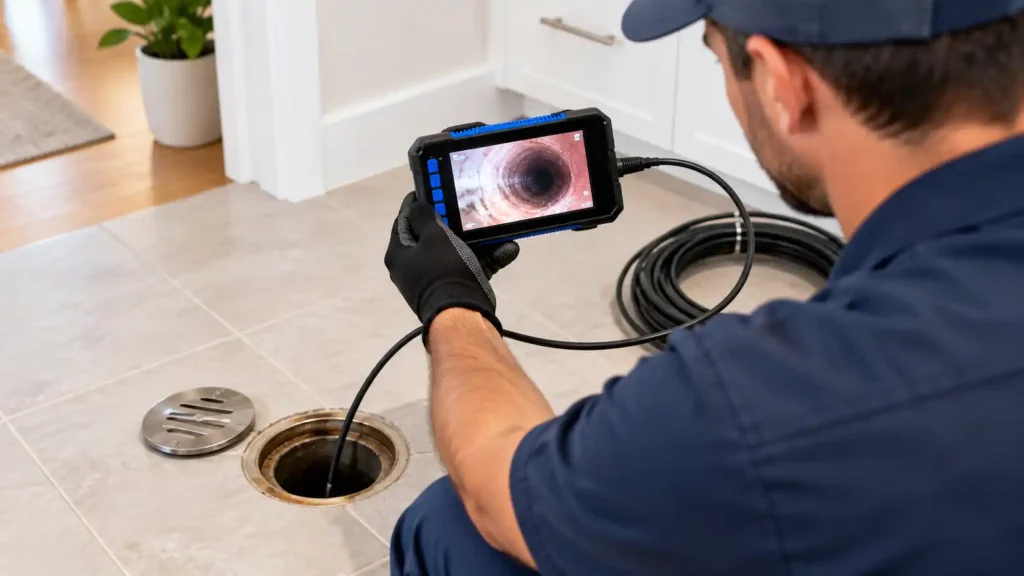
Jetting sewer lines can be especially helpful when debris has collected over time. But if the line is broken, collapsed, badly offset, cleaning alone may not solve the real problem. A camera inspection may be needed to see whether the issue is only blockage or a sign of pipe damage.
This is why the method matters, but diagnosis matters more.
Cost Should Not Be the Only Deciding Factor
It is natural to compare cost. Drain snaking is often less expensive upfront than hydro jetting. For a simple clog, that can make sense. Paying for deeper cleaning when the issue is minor may not be necessary.
The problem is judging value only by the first invoice. If a line keeps backing up and needs repeated service, the cheaper option can become frustrating and expensive over time. A homeowner may pay less per visit but still never address the buildup that keeps causing trouble.
Hydro jetting may cost more upfront because it uses specialized equipment, water pressure, setup, and professional control. But when the line is a good candidate and buildup is the real issue, it may offer a more complete result.
The best choice is not automatically the cheapest or the most powerful. The best choice is the one that fits the actual problem inside the line.
When Pipe Condition Changes the Answer
A clean pipe and a damaged pipe are not the same problem. This is where homeowners can lose time. They may think they need stronger cleaning, when the real issue is a broken or poorly sloped line. They may think snaking failed, when it actually opened the line but could not fix the structural problem behind the clog.
Hydro jetting is powerful, but it is not a pipe repair method. Snaking can restore flow, but it cannot rebuild a damaged sewer line. If the pipe is cracked, collapsed, offset or sagging, either method may only give temporary relief.
That is why a responsible service call pays attention to history. Has this happened before? How soon did it return? Are multiple fixtures involved? Is there an accessible cleanout? Has the property had previous sewer repairs? These details help decide whether line jetting, snaking, inspection, or repair discussion should come next.
Hydro Jetting vs Drain Snaking in Austin Homes
Austin homes can have very different plumbing stories. Some properties have newer sewer lines. Others have older materials, remodel history, heavy kitchen use, or private laterals that have been through years of buildup and movement.
That local context matters. A home in one Austin neighborhood may need basic sewer snaking. Another may need jetting sewer lines because grease and sludge have collected over time. Another may need a camera inspection because pipe defects are part of the pattern.
Hydro jetting vs drain snaking should not be decided from the search result alone. The right choice should come from the symptoms and the line condition. A search like sewer snaking near me may get you to a plumber. A good plumber should help you understand whether snaking is enough or whether hydro jetting is the better long-term move.
At EZ Flow Hydrojetting, we want Austin homeowners to understand the difference before spending money on a service that may not fit the issue.
Why Recurring Clogs Need a Better Question
When a clog happens once, it may be a normal plumbing problem. When it keeps coming back, the better question is not “how do we clear this again?” It is “why does this line keep clogging?”
That question changes the service conversation. It opens the door to better diagnosis, better cleaning, and fewer repeated visits for the same symptom. Hydro jetting vs drain snaking becomes a way to understand whether the line needs a quick opening or a deeper cleaning.
Recurring clogs can point to grease buildup, slope issues, pipe defects, heavy paper use, wipes, or debris collecting in one weak spot. Some of those are cleaning problems. Some are habit problems. Some are repair problems.
A good service should help separate those possibilities. That is how homeowners avoid paying for the same temporary fix again and again.
What Homeowners Should Ask Before Choosing
Before choosing between snaking and hydro jetting, it helps to ask a few practical questions:
- Is the clog affecting one fixture or multiple drains?
- Has this happened before?
- Did previous snaking work only for a short time?
- Is grease buildup likely?
- Is there a cleanout that provides safe access?
- Would a camera inspection help confirm pipe condition?
These questions do not make the homeowner responsible for diagnosing the line. They simply make the service call more productive. The plumber can use those details to decide whether snaking, line jetting, or a deeper inspection makes more sense.
Get the Right Fix, Not Just the Fastest One
If you searched sewer snaking near me because the drain is already backing up, the immediate priority is simple: get the line moving again. But if the same issue has happened more than once, it may be time to ask whether jetting sewer lines would give your plumbing a better clean.
EZ Flow Hydrojetting helps Austin homeowners compare the real options. Sometimes snaking is the right answer. Sometimes line jetting is the smarter move. Sometimes the line needs inspection before either service is chosen.
The goal is not to sell the biggest solution. The goal is to solve the right problem.
The Best Fix Depends on What the Line Is Really Doing
Hydro jetting vs drain snaking is not about one method being good and the other being bad. It is about matching the method to the condition inside the pipe.
Drain snaking can be a practical way to open a simple blockage. Hydro jetting can be a stronger option when buildup, sludge, grease, or recurring sewer debris is causing the line to struggle. Neither method should be used blindly when the pipe may be damaged or structurally compromised.
At EZ Flow Hydrojetting, we look beyond the surface symptom because the drain is only showing part of the story. The real answer is inside the line. Once that answer is clearer, the right fix becomes easier to choose.